


Platanera
How to recognize and combat cigarette butt in banana trees
Drowned or cigar end
Fungus
Type:
Risk to the plant:
HIGH
Various fungi: Verticillium theobromae, Trachisphaera fructigena, and Colletotrichum musae
Pathogen:

Micosis/Hongos


WHO CAUSES IT?
Several phytopathogenic fungi are involved in the disease known as choke or cigar point in banana trees, the most relevant being *Verticillium theobromae, Trachisphaera fructigena* and *Colletotrichum musae*. These fungi are opportunistic and develop mainly in conditions of high humidity and favorable temperatures. Its propagation structures include conidia and spores, which can remain in the environment, in plant remains or on contaminated tools. They penetrate the fruit through wounds or microfissures in the skin, often facilitated by mechanical factors or damage caused by insects. The infection usually begins in the apical part of the fruit, where the fungi quickly colonize the tissues, causing necrosis and decomposition. During their development, these fungi produce dark mycelium and reproduction structures that allow them to disperse through wind, water or contact with other fruits.

SYMPTOMS
In the banana tree, the choke or cigar end mainly affects the developing fruits, compromising their commercial quality and reducing their useful life. The infection usually begins at the apex of the fruit, progressively spreading to the rest of the surface.
- Appearance of brown or black spots on the tip of the fruits.
- Progressive necrosis in the apical area of the banana, with a dry and hardened texture.
- Presence of dark mycelium and sporulation on the surface of the affected fruit.
- Rot in the most advanced tissues of the infection.
- Reduction in commercial quality due to alteration in the appearance of the fruit.
- Premature fruit drop in severe cases of infection.


DEVELOPMENT CONDITIONS
Temperature:
25°C - 30°C
Humidity:
80% - 95%

HOW IS IT SPREAD?
Spores carried by the wind, contact between infected and healthy fruits, contaminated irrigation water, undisinfected agricultural tools, insect vectors, remains of infected crops

HOW TO ELIMINATE IT?
Home treatments
There are no home treatments
Natural allies
Chemical treatments
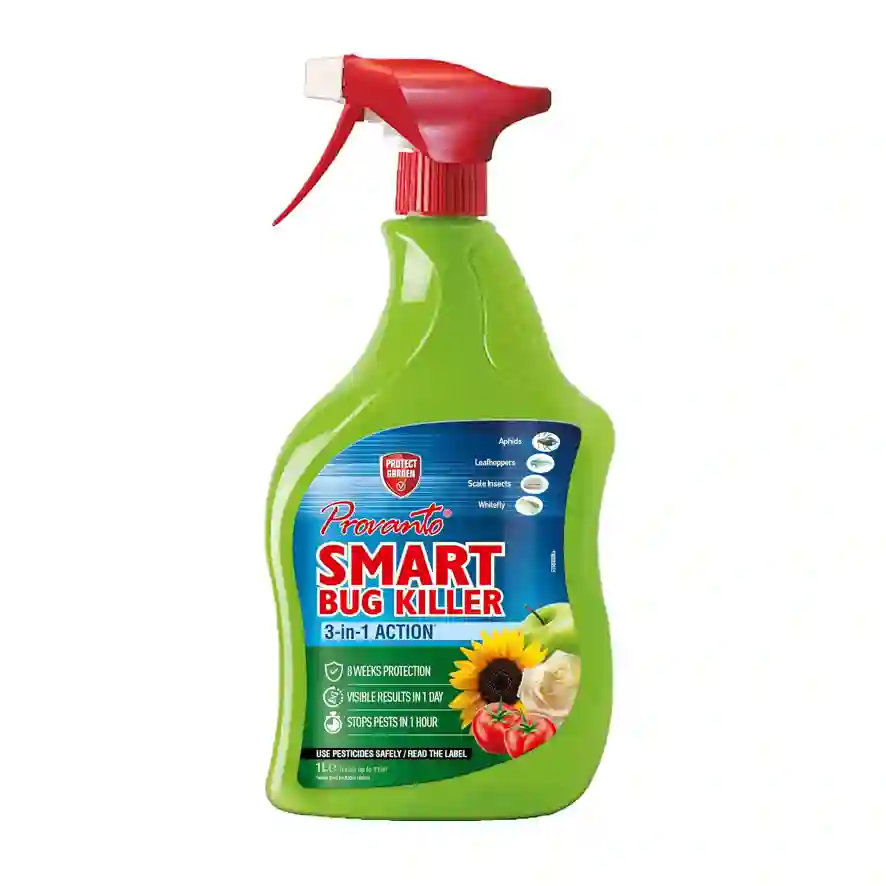
There are no treatments for this disease. Treatments are directed at the insect vectors that transmit it. See insect treatments.
RECOMMENDED PRODUCTS TO ELIMINATE THE PEST



Sponsored link

Sponsored link
Sponsored link


Sponsored link


Sponsored link
Sponsored link


Sponsored link
Sponsored link
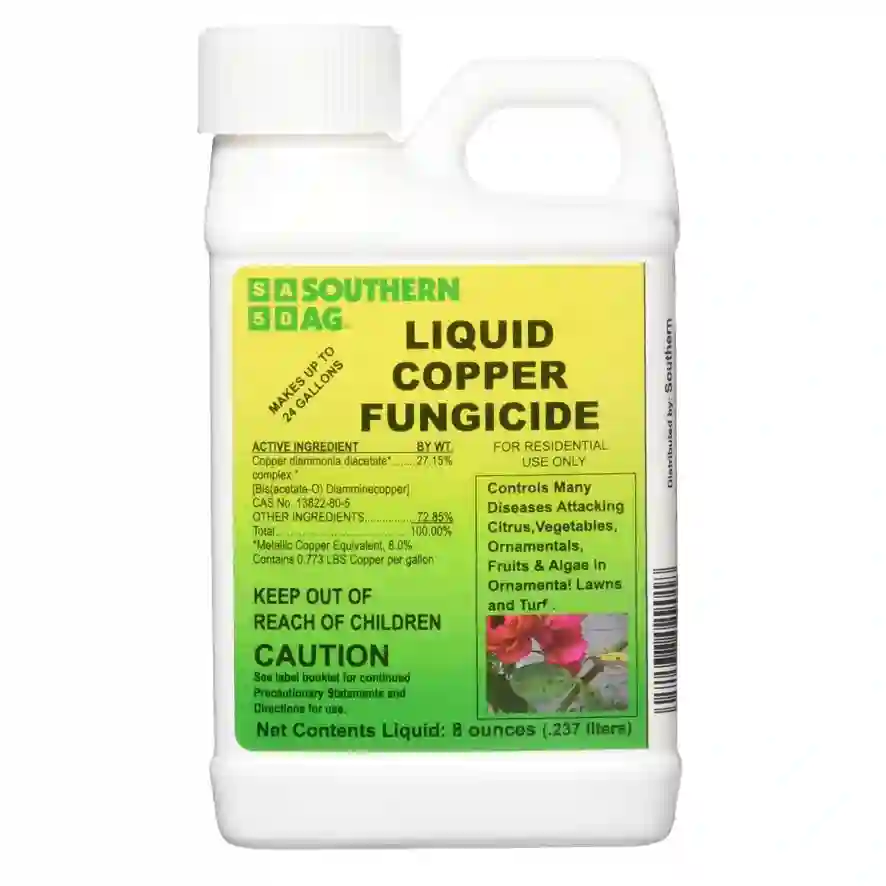
Effective against all types of fungi





Sponsored link


Sponsored link
Sponsored link



Sponsored link
Sponsored link


Sponsored link

REPELLENT PLANTS

RECOMMENDATIONS
OTHER PESTS THAT MAY INTEREST YOU


DID YOU LIKE IT?
All this and much more, just a click away. TRY idMicrobe NOW!



Explore more tools
Services
Contact
Legal
©2023 by ZeriMar Laboratoire. All rights reserved.