

ABONOS FOSFATADOS / FERTILIZANTES FOSFATADOS
Phosphate fertilizers – Instructions and tips for treating phosphorus deficiency in plants

Application method:
Application tips:
• Apply preferably at the beginning of the crop cycle, when the plant needs greater root development.
• Do not apply to very calcareous or very acidic soils without correcting the pH: phosphorus may become locked and not be absorbed.
• Maintain regular soil moisture after application to facilitate phosphorus solubilization.
• Avoid mixing phosphate fertilizers with highly alkaline products or with calcium in the same storage tank, as precipitates may form.
• In cold soils, phosphorus mineralizes more slowly; consider more soluble sources.
• Do not exceed the recommended dose: high amounts can lock in zinc, iron, or micronutrients, causing other deficiencies.
• Conduct a preliminary test or review the specific needs of the crop before increasing the dose.
Toxicity:
• For humans: Low toxicity in agricultural handling. May cause mild irritation if the dust is inhaled or there is prolonged skin contact. Wear gloves and a mask when handling the powder.
• For bees: No risk, as it is not an insecticide and does not affect pollinating activity.
• For natural allies: Safe for beneficial insects and auxiliary fauna.
• For the environment: Low risk if used properly, but excess may contribute to the eutrophication of water bodies. Do not apply near rivers, ditches, or runoff areas.
RECOMMENDED PRODUCTS




Sponsored link


Sponsored link
Sponsored link


Sponsored link


Sponsored link
Sponsored link


Sponsored link
Sponsored link
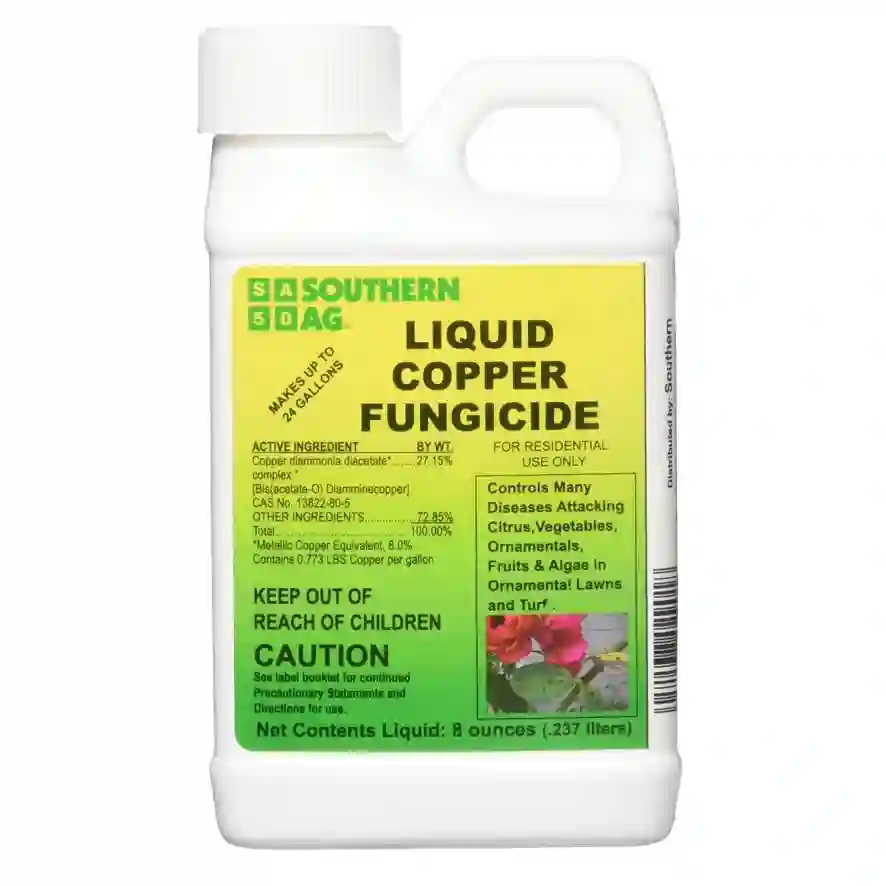
Effective against all types of fungi





Sponsored link


Sponsored link
Sponsored link




Sponsored link
Sponsored link


Sponsored link
The products shown are recommendations and are not our own products. As Amazon Associates, we earn revenue from purchases of recommended products.

Enjoy idMicrobe TOTALLY FREE, with no trial periods.


