


Environmental stress
Overwatering
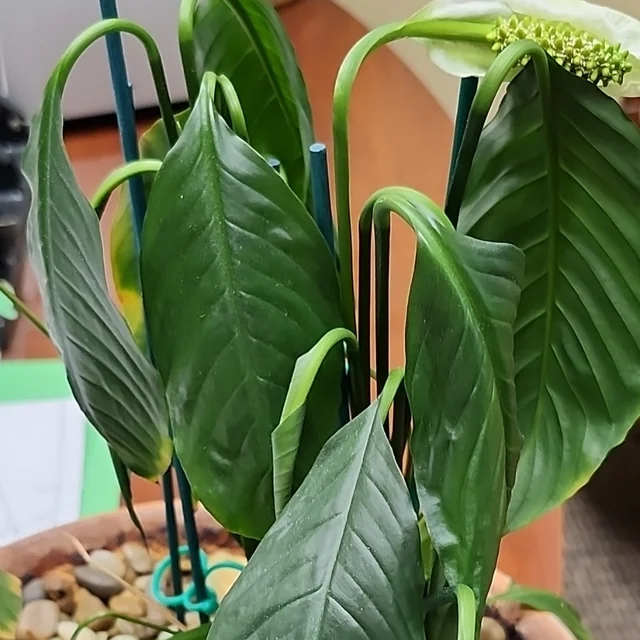
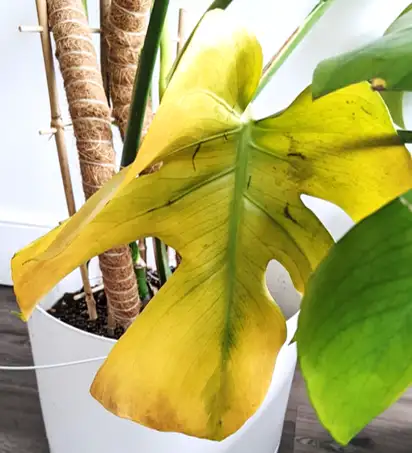
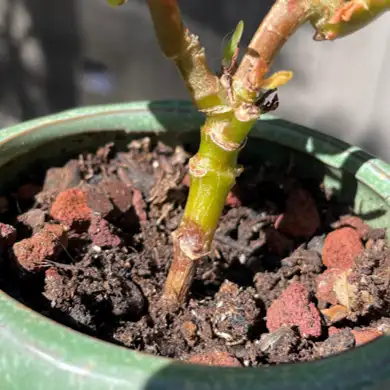
Excess water primarily affects the root system, but its effects are quickly felt throughout the entire plant.
Typical symptoms:
• Yellowing leaves (generalized chlorosis), especially on lower leaves.
• Wilting despite moist soil.
• Premature leaf drop.
• Dark, soft, or foul-smelling roots (root rot).
• Slow or stunted growth.
• Fungal growth at the base of the stem or in the soil.
Lack of oxygen in the soil hinders proper root development, progressively weakening the plant.
Stages of development:
• Initial: slight yellowing and loss of vigor.
Intermediate stage: wilting, leaf drop, and slow growth.
Advanced stage: root rot and general weakening.
Final stage: death of the plant due to root asphyxiation or associated diseases.
Environmental stress
Water shortage
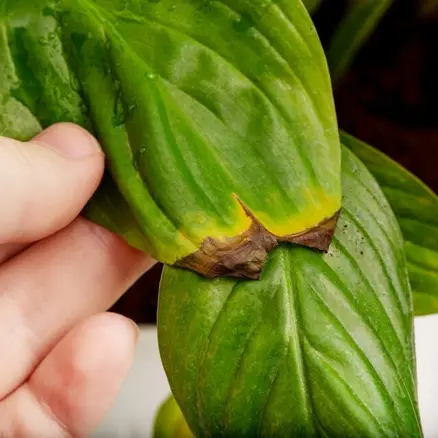

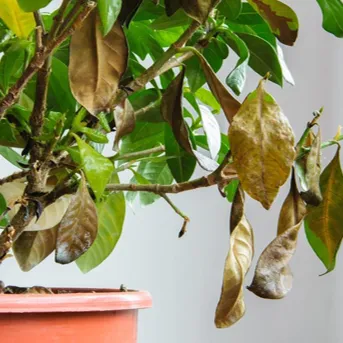
Water stress initially affects the most exposed parts of the plant, those with the highest water demand, such as leaves and young shoots.
Typical symptoms:
• General wilting of the plant, especially during the hottest hours of the day.
• Dry, brittle, or curled leaves.
• Necrosis at the edges and tips of leaves (a "burned" appearance).
• Premature leaf, flower, or fruit drop.
• Reduced leaf and fruit size.
• Slow or stunted growth.
Progressive dehydration reduces metabolic activity and weakens the plant.
Stages of development:
• Initial: loss of turgor and slight wilting during the hottest hours of the day.
Intermediate stage: dry, curled leaves and organ drop.
Advanced stage: widespread necrosis and significant reduction in growth.
Final stage: complete desiccation and death of the plant if the condition is not corrected.
Environmental stress
Dry ends
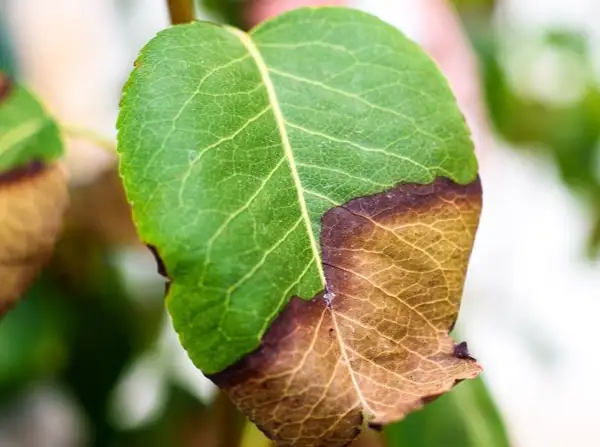
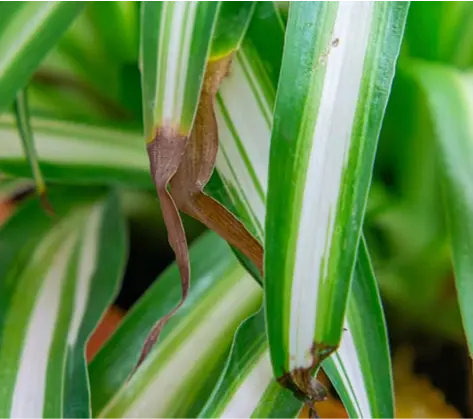
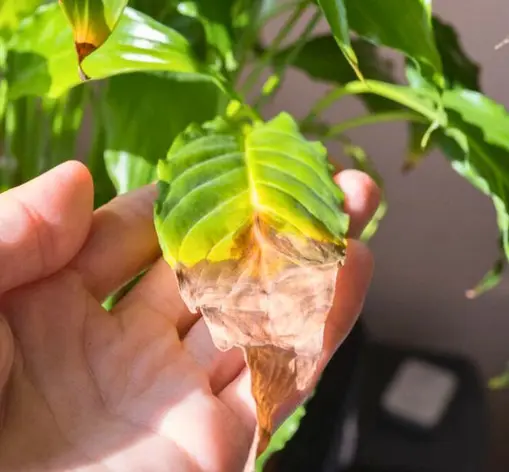
Dry leaf tips begin gradually and, if the cause is not addressed, spread to the rest of the leaf.
Typical symptoms:
• Brown, dry leaf tips.
• Burnt-looking edges.
• The leaf remains green initially, but with damaged tips.
• The damage progresses from the tip inward.
• Older leaves are usually affected first.
• In more severe cases, yellowing and leaf drop occur.
This is a progressive problem that tends to worsen if watering or environmental conditions are not corrected.
Stages of development:
• Initial: Slightly dry tips.
Intermediate stage: More visible brown areas at the tips and edges.
Advanced stage: The damage progresses inward.
Final stage: Severely damaged, dry leaves and leaf drop.
Virus
Virus
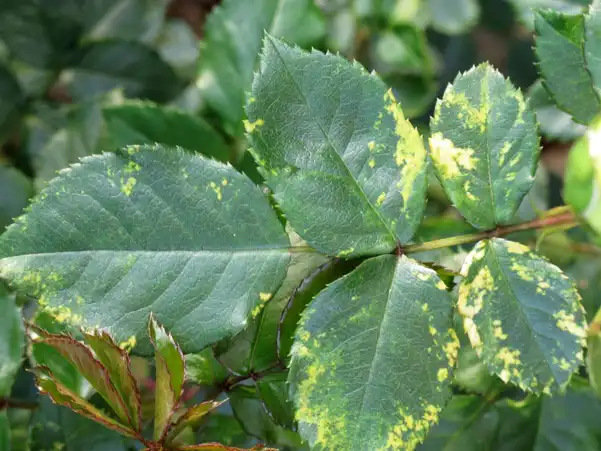
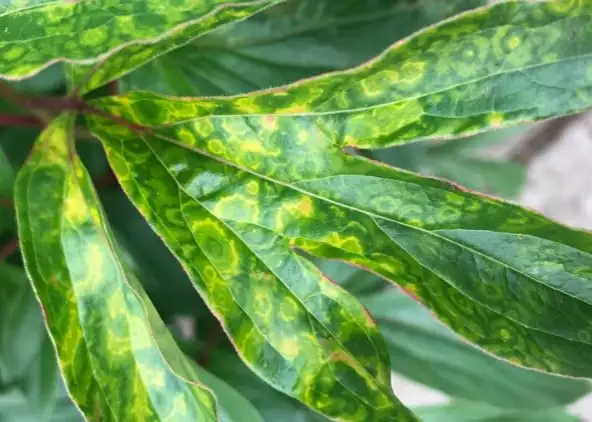
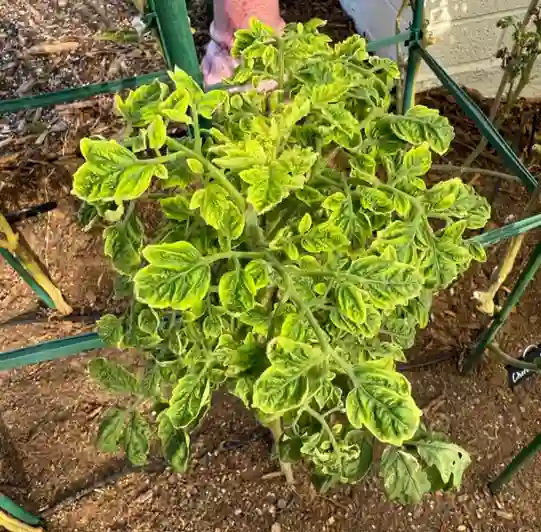
Viruses can cause a wide variety of symptoms, but they usually affect leaves and new shoots.
Typical symptoms:
• Irregular light and dark green spots (mosaic pattern).
• Deformed, wrinkled, or smaller than normal leaves.
• Unusual yellowing that doesn't follow a clear pattern.
• Weak growth or stunted plant growth.
• Deformed or poorly developed flowers or fruit.
• General loss of vigor.
Unlike other problems, the symptoms are usually irregular and do not improve over time.
Stages of development:
• Initial: slight spots or color changes on young leaves.
Intermediate stage: deformities and irregular growth.
Advanced stage: general weakening and low yield.
Final stage: severely affected, unproductive plant or stunted growth.
Environmental stress
Excessive sun
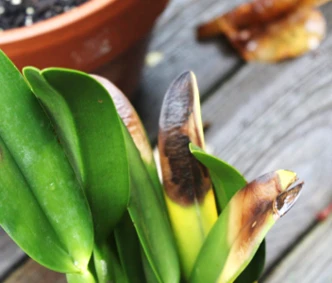
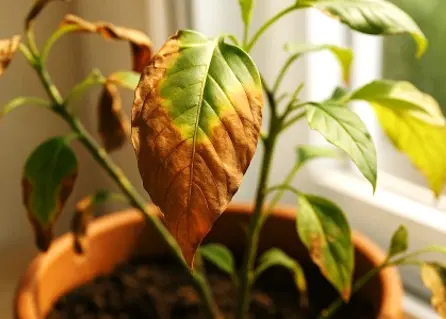
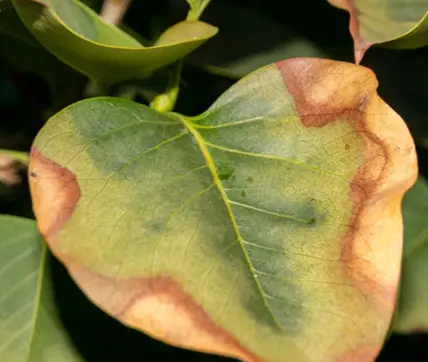
Excessive sunlight usually affects the most exposed parts of the plant first, such as the upper, sun-facing leaves.
Typical symptoms:
• Dry or whitish spots on the leaves (sunburn).
• Dry edges or a "burned" appearance.
• Discolored leaves or leaves with a loss of green intensity.
• Dry or brittle texture.
• Wilting during the hottest hours of the day.
• In severe cases, leaf drop.
This is direct tissue damage, not a disease, and can appear rapidly.
Stages of development:
• Initial: slight discoloration or light spots.
• Intermediate stage: appearance of dry or burned areas.
• Advanced stage: damaged leaves and tissue loss.
• Final stage: leaf drop and general weakening.
Environmental stress
Lack of light
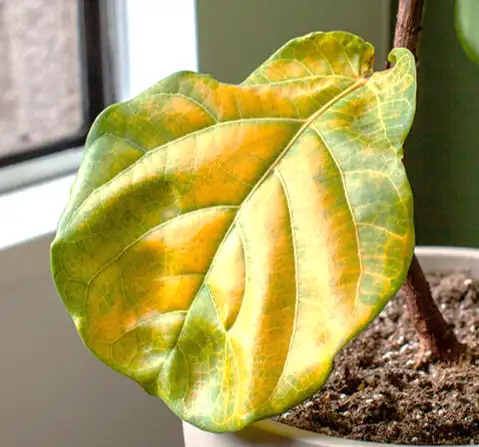
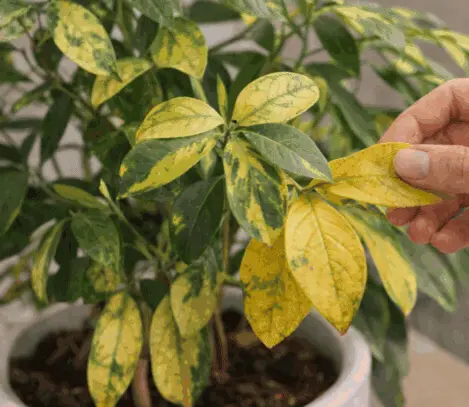
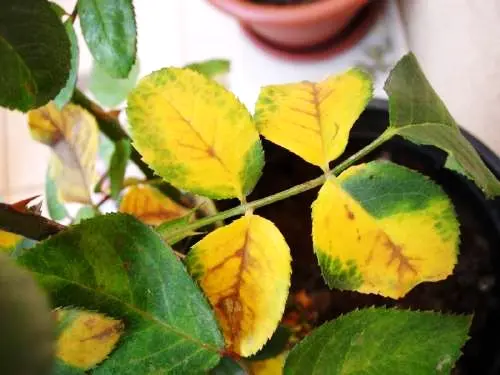
Lack of light causes quite visible changes in the plant's growth and appearance.
Typical symptoms:
• Long, weak stems (the plant stretches in search of light).
• Smaller than normal leaves.
• Pale green or yellowish color.
• Leaf drop, especially the lower leaves.
• Slow or almost stopped growth.
• Little or no flowering.
It is a progressive problem that mainly affects the plant's growth and shape.
Stages of development:
• Initial: slower growth and somewhat paler leaves.
Intermediate stage: elongated stems and loss of density.
Advanced stage: leaf drop and general weakening.
Final stage: very weak, deformed plant with almost no growth.
Nutritional disorder
Nitrogen Deficiency
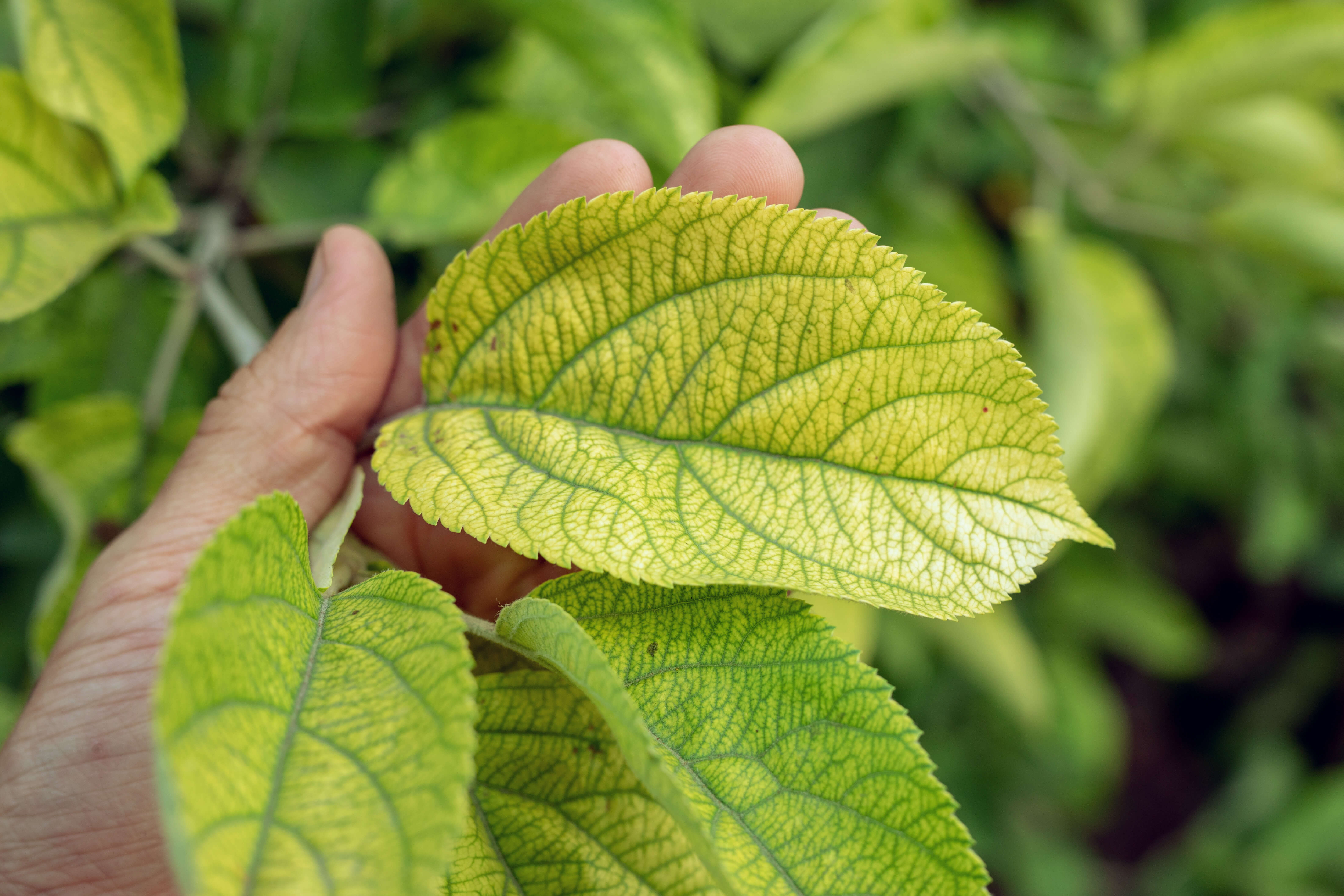
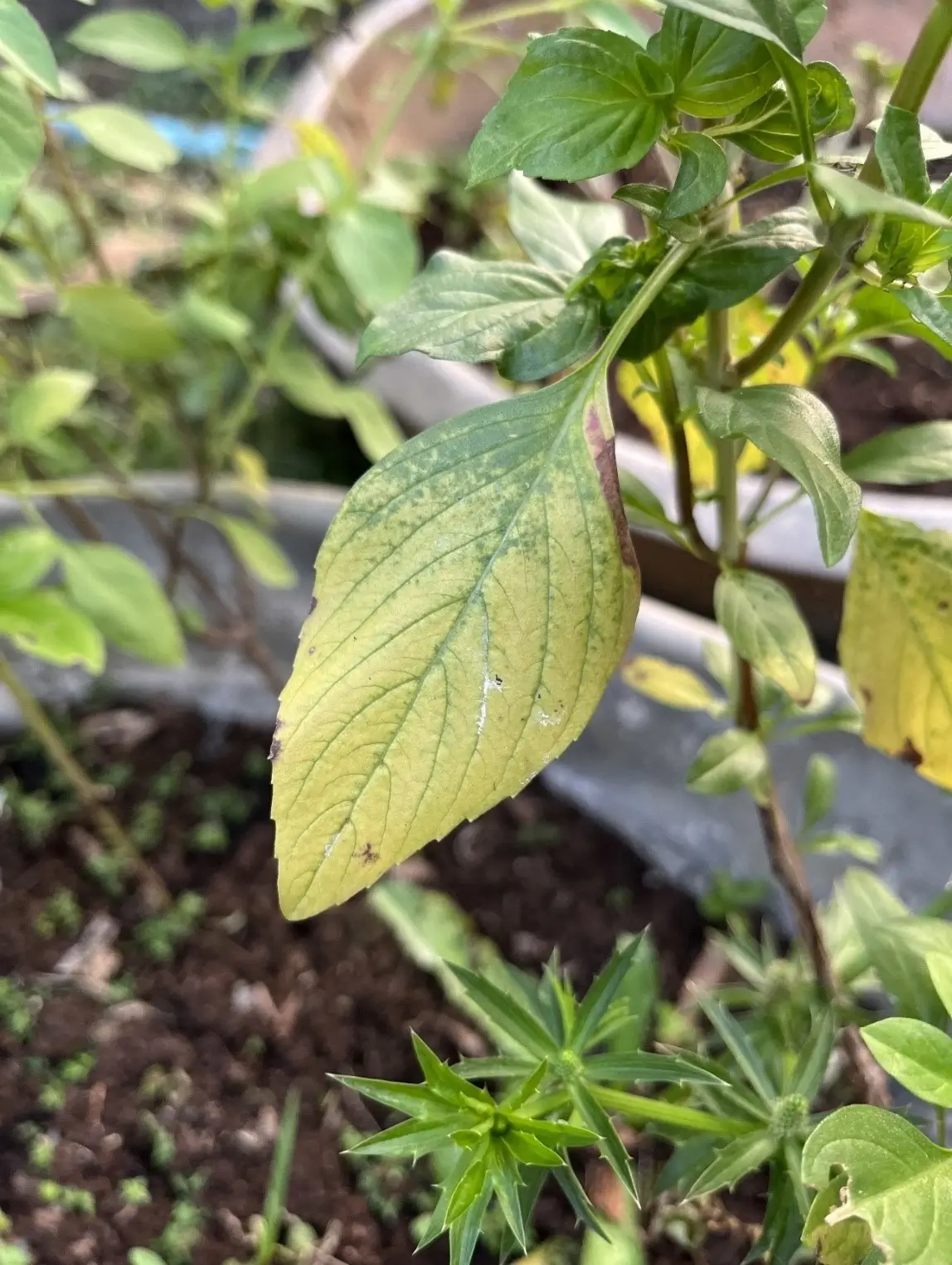

Nitrogen deficiency is usually first noticed in the older leaves, which appear pale and weakened. Over time, the plant loses vigor, reduces its production, and becomes more susceptible to pests and diseases.
Typical symptoms:
• Yellow or pale green lower leaves (chlorosis).
• Thin stems and reduced growth.
• Small leaves and premature drop.
• Early and forced flowering.
• Poor fruit production or grains with low protein content.
Nitrogen deficiency progresses gradually, beginning with mild signs and reaching critical stages if not corrected promptly.
Developmental stages:
• Initial: Mature leaves are lighter than normal.
• Intermediate stage: Yellowing progresses from the lower leaves to the upper ones.
• Advanced: Stems and veins take on a reddish or purplish hue.
• Final: Generalized chlorosis, leaf necrosis, and premature wilting.
• Final consequence: sharp reduction in yield and even death of the plant.
Nutritional disorder
Phosphorus Deficiency
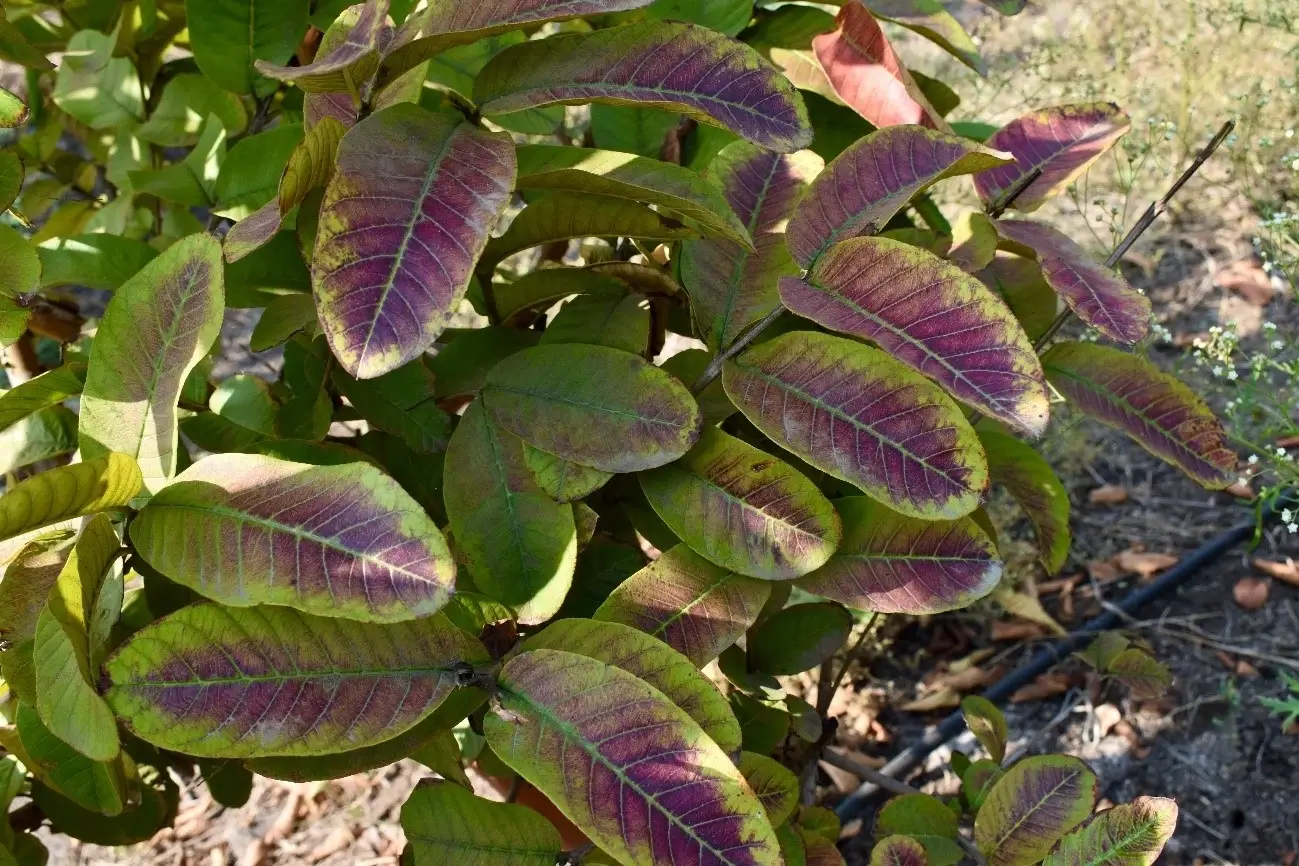
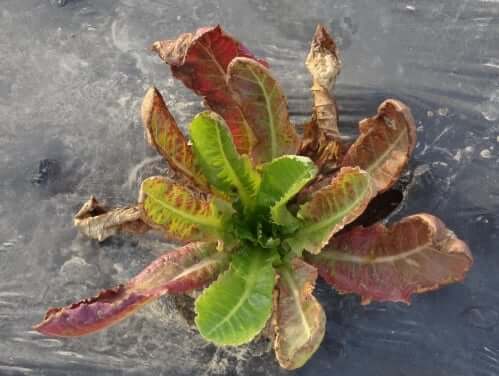
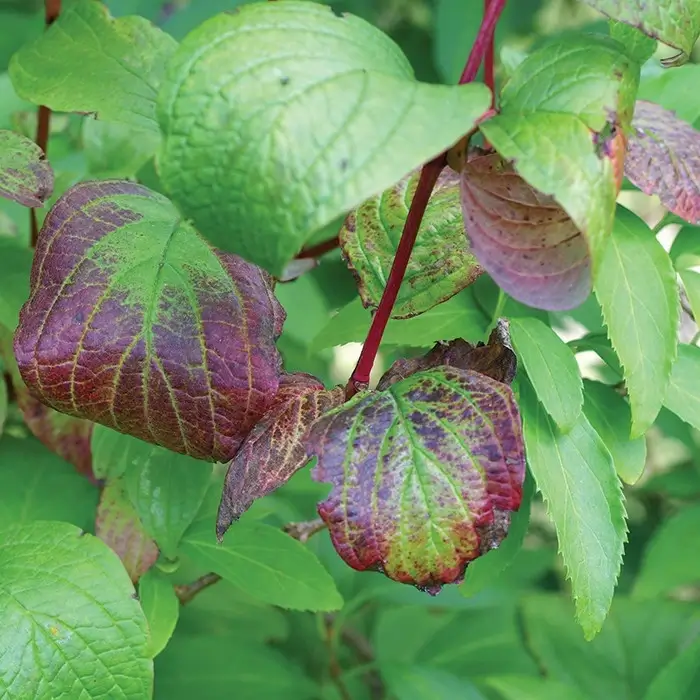
Phosphorus is relatively mobile in the plant, so symptoms usually appear on older leaves first, although overall development is also compromised.
Typical symptoms:
• Slow growth and stunted development.
• Older leaves with dull, dark green tones.
• Appearance of purple, reddish, or bluish pigmentation, especially on the undersides of leaves and stems.
• Poorly developed root system with few lateral roots.
• Delayed flowering and ripening.
• Small fruits and lower yield.
Phosphorus deficiency directly affects the plant's energy and vitality, making it weak and less able to withstand stress.
Developmental stages:
• Early: Older leaves with darker green than normal.
• Intermediate stage: Purple or reddish pigmentation on stems and veins.
• Advanced: Limited growth, short, and sparsely branched roots.
• Final: reduced flowering, poorly formed fruits and low productivity.
Nutritional disorder
Iron Deficiency

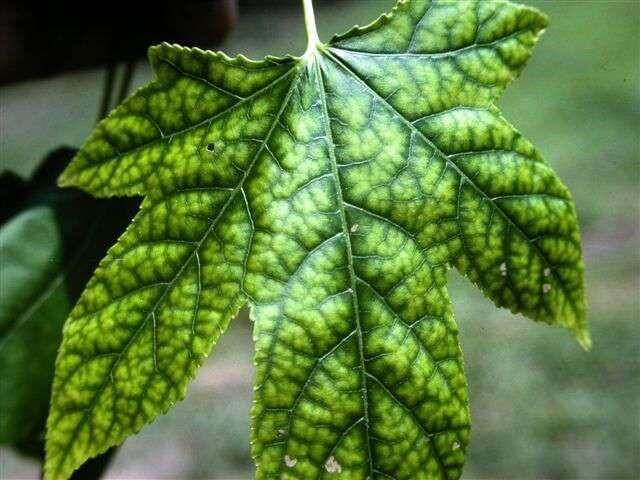
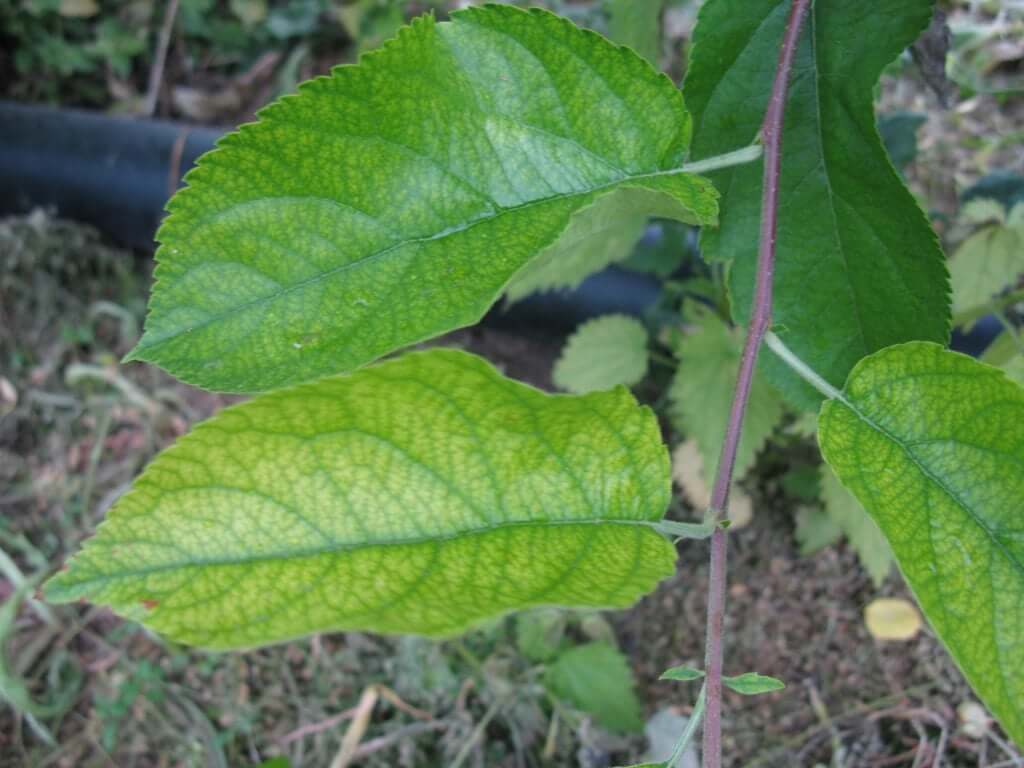
Unlike other nutrients, iron deficiency first manifests in young leaves, as the plant cannot mobilize it from older tissues. This helps distinguish it from deficiencies such as nitrogen or magnesium.
Typical symptoms:
• Chlorosis (yellowing) in young leaves, with visible green veins.
• Growth of new shoots is halted.
• Reduction in leaf size.
• In severe cases, leaves turn almost white with necrosis at the edges.
• Decreased flowering and fruit set.
Iron deficiency develops rapidly in calcareous or poorly drained soils, first affecting the newer areas of the plant and later compromising the entire foliage if not corrected.
Developmental stages:
• Early: Young leaves become lighter, retaining green veins.
• Intermediate stage: More intense yellowing, chlorosis spreading to the entire leaf.
• Advanced: Leaves with almost white tones, very limited growth.
• End: appearance of necrosis, leaf drop, and severe loss of yield.
Nutritional disorder
Potassium Deficiency

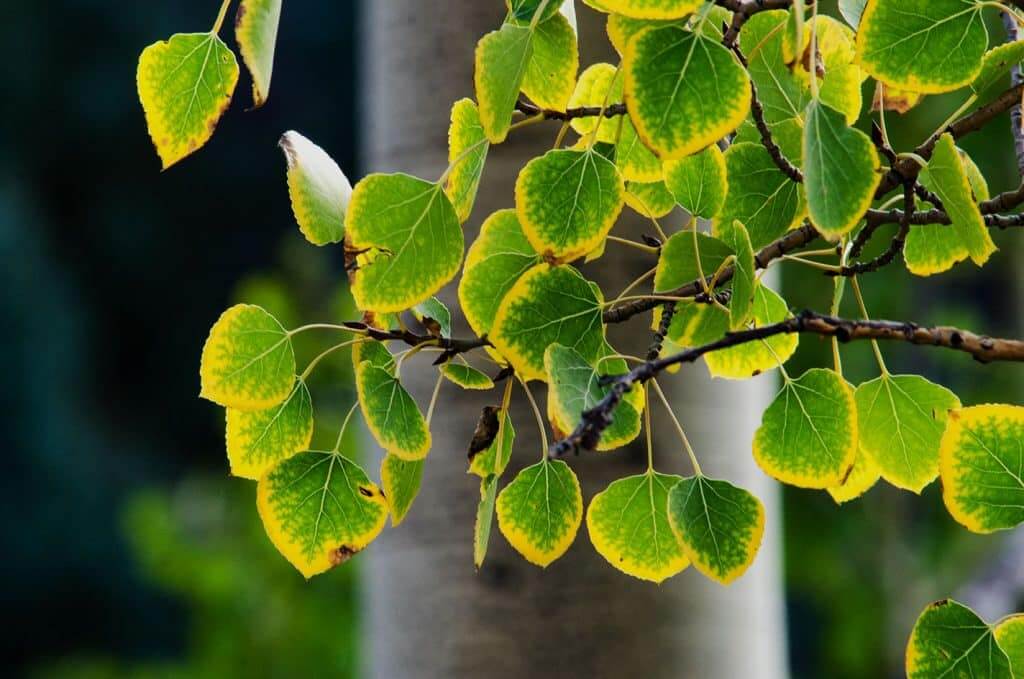
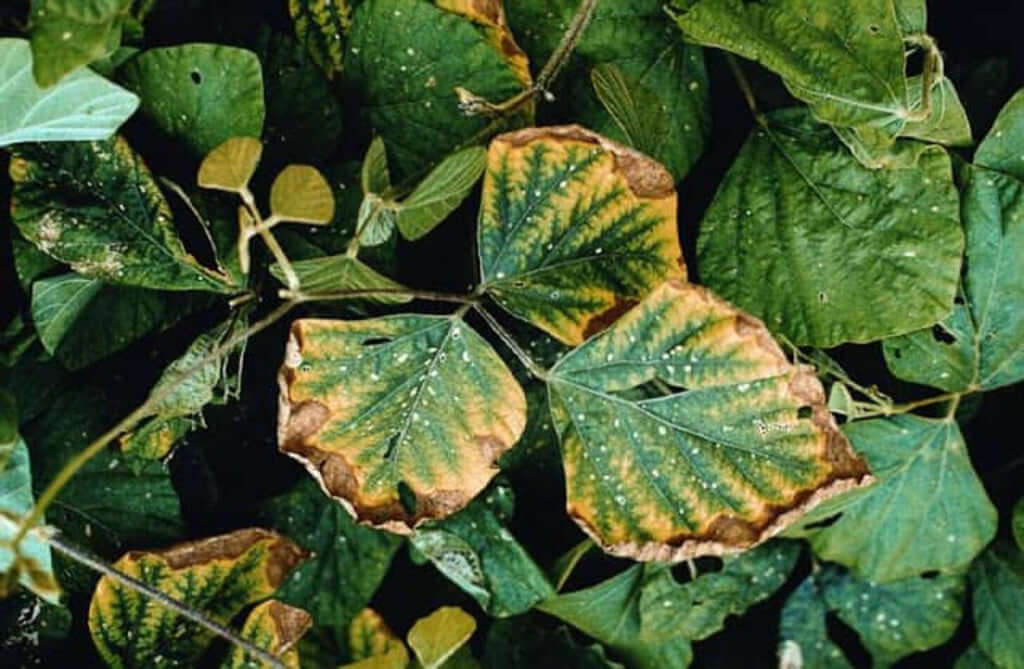
Unlike iron, potassium is mobile in the plant, so symptoms first appear on older leaves. The most characteristic appearance is marginal scorching (marginal necrosis), which progresses inward.
Typical symptoms:
• Yellowing (chlorosis) on the edges of lower leaves.
• Marginal necrosis, a "burnt" appearance.
• Leaves curled downward or with dark spots.
• Weak stems and thin buds.
• Small, deformed, or poorly colored fruits.
• Decreased resistance to drought and disease.
Potassium deficiency develops progressively and directly affects crop yield and quality, even if the plant survives.
Developmental stages:
• Initial: marginal chlorosis on older leaves.
• Intermediate stage: necrosis on edges and tips, progressing inward.
• Advanced: Leaves with dry, brittle edges, premature drop.
• Final: Thin stems, sparse flowering, poorly developed fruit, and increased sensitivity to stress.
Nutritional disorder
Magnesium Deficiency


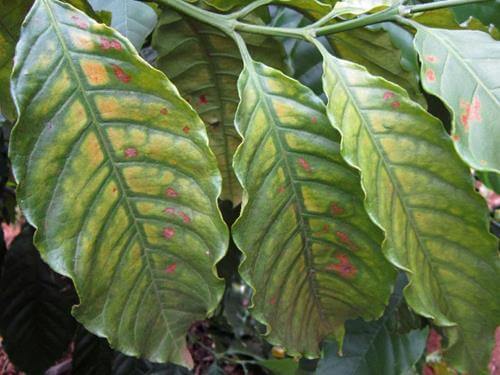
Magnesium deficiency causes interveinal chlorosis, beginning in older leaves and progressing to newer leaves if not corrected.
Typical symptoms:
• Yellowing between the veins of older leaves (interveinal chlorosis).
• Leaf margins remain green while the center turns yellow.
• Small or wilted leaves.
• Loss of vigor and slow plant growth.
• In severe cases, leaves show necrotic spots and premature leaf drop.
• Decreased fruit and seed production.
Magnesium deficiency progresses gradually and affects the plant's photosynthetic capacity and overall metabolism, compromising yield and harvest quality.
Developmental stages:
• Initial: interveinal chlorosis in older leaves, while the veins remain green.
• Intermediate stage: more intense chlorosis and the appearance of necrotic spots.
• Advanced: leaves with dead tissue and premature leaf drop.
• Final: growth stopped, small or deformed fruits and loss of yield.
Nutritional disorder
Boron Deficiency
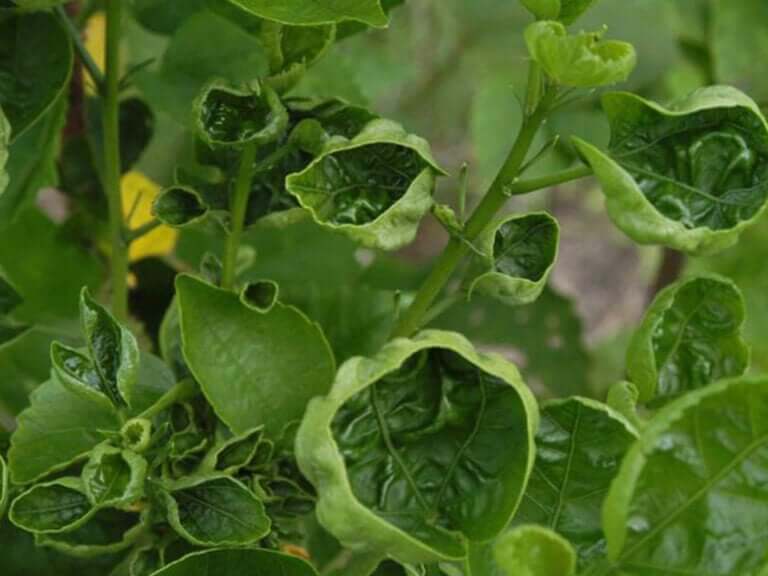
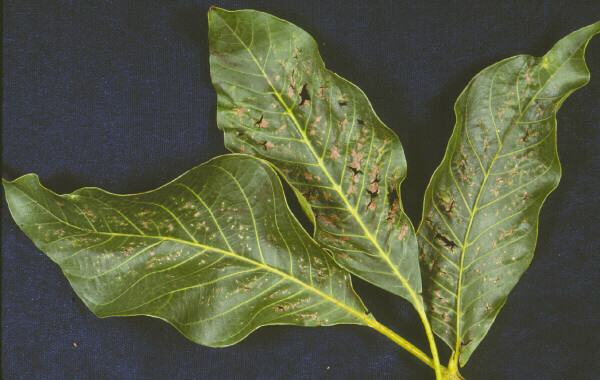
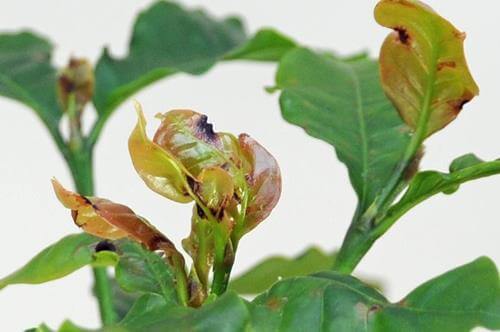
Boron deficiency first manifests in young shoots, flowers, and developing fruits due to their limited mobility within the plant.
Typical symptoms:
• Flower abortion and flower drop.
• Deformed, dry, or necrotic fruit.
• Dead or deformed terminal shoots.
• Small, curled, or chlorotic young leaves.
• Weak, brittle stems.
• Reduced root growth in young plants.
Boron deficiency develops rapidly in young tissues and reproductive organs. If left uncorrected, it compromises fruit and seed production, seriously affecting crop yield and quality.
Developmental stages:
• Early: Small, curled young leaves, shoots with limited growth.
• Intermediate stage: Flower and young fruit abortion, organ deformation.
• Advanced: Necrosis in fruits, death of terminal shoots.
• End: massive drop of flowers and fruits, significant reduction in the harvest.
Nutritional disorder
Calcium Deficiency
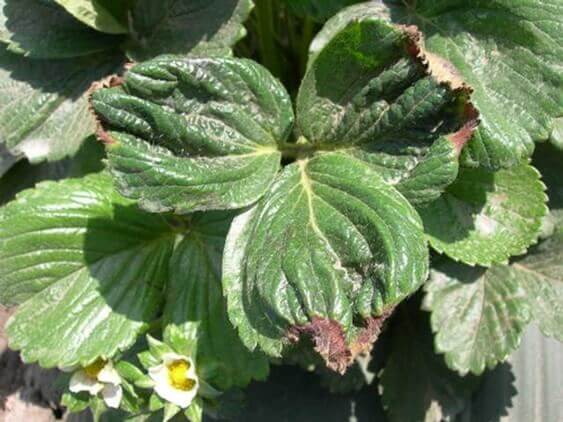
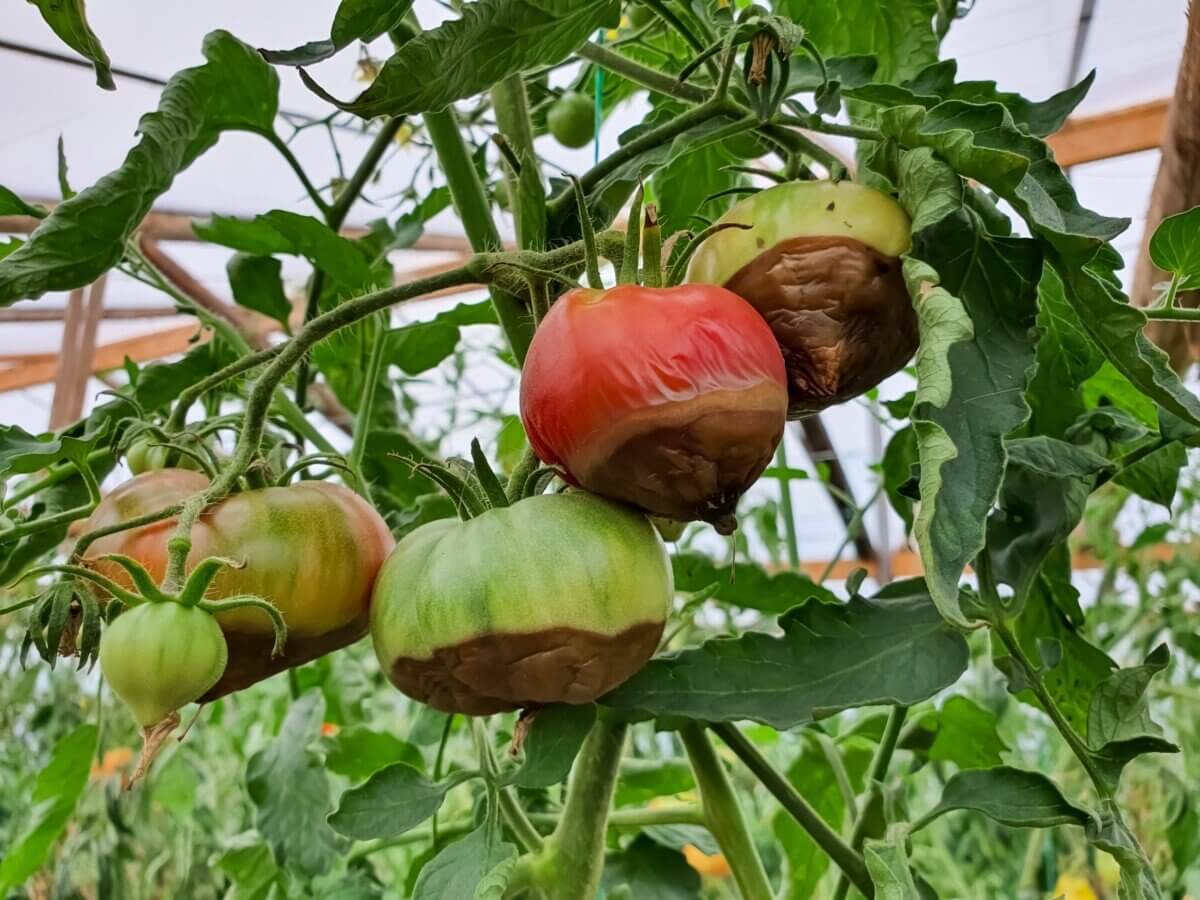
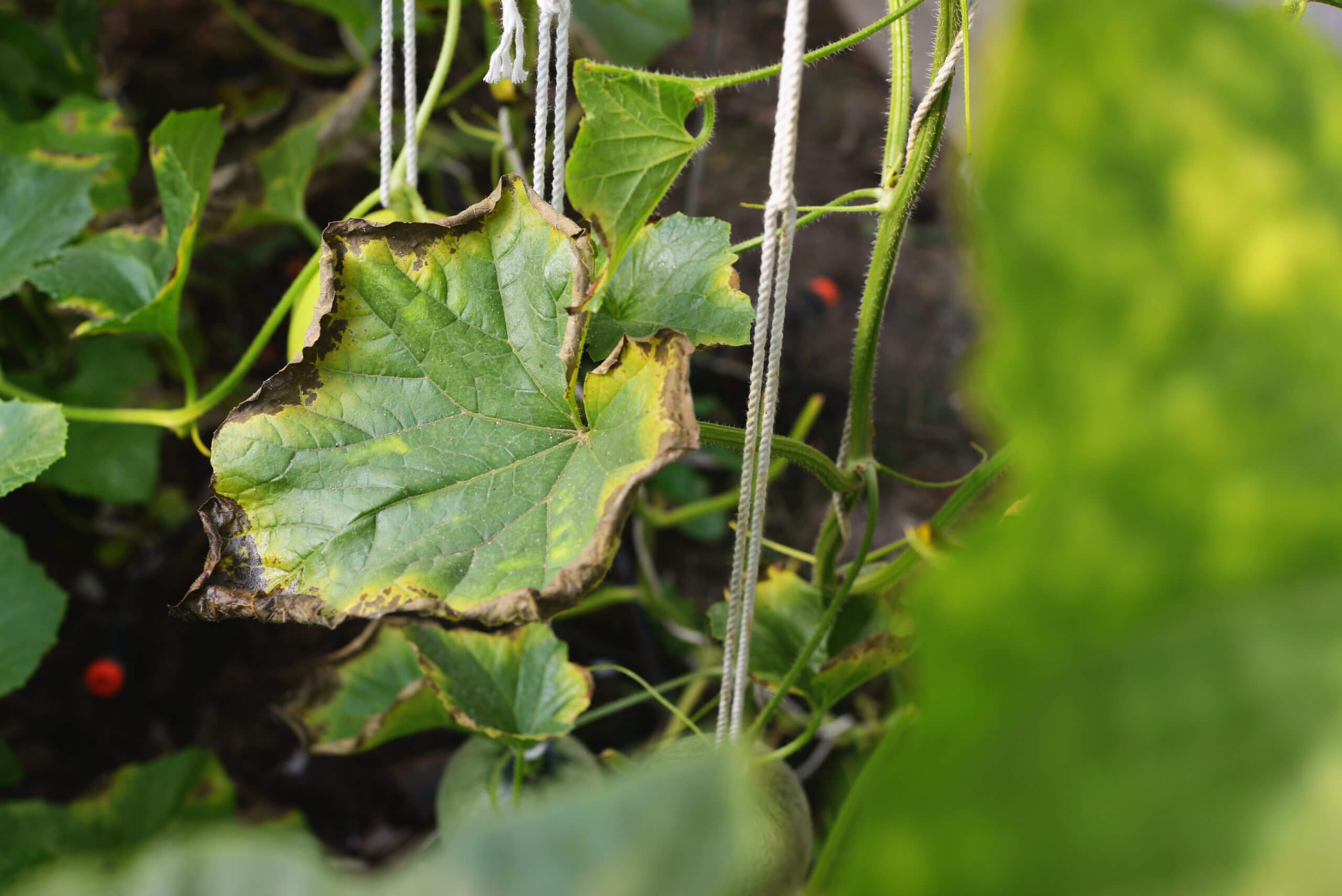
Calcium deficiency first affects actively growing parts. It is especially recognized in fruit quality problems such as blossom end rot in tomatoes and peppers, or bitter pit in apples.
Typical symptoms:
• Deformed, curled, or dry-tipped young leaves.
• Necrosis on the edges and tips of new leaves.
• Deterioration of fine root and shoot growth.
• Appearance of dark, sunken spots on fruit (e.g., blossom end rot in tomatoes).
• Soft or watery texture on fruit and leaves.
As a non-mobile nutrient, calcium deficiency develops in a localized manner, primarily affecting growing organs, with a strong impact on production quality.
Developmental stages:
• Initial: mild deformations in young leaves and shoot tips.
• Intermediate stage: necrosis at leaf tips and flower abortion.
• Advanced: sunken spots on fruit, blossom end rot.
• Final: loss of commercial value of the crop and reduction in yield.
Nutritional disorder
Sulfur Deficiency
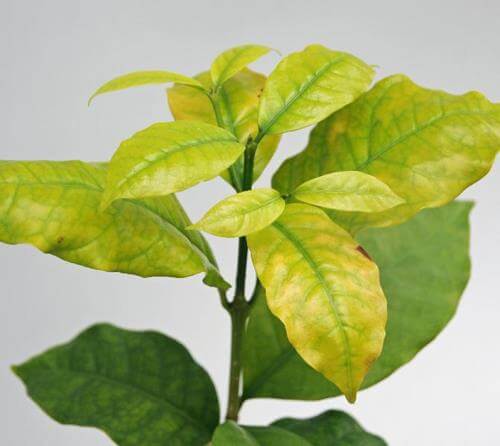

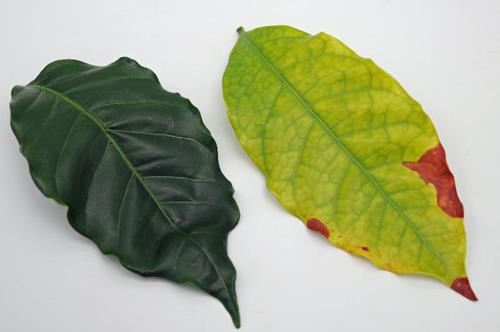
Sulfur deficiency can be confused with nitrogen deficiency, but it affects young leaves rather than older ones.
Typical symptoms:
• Yellowing (chlorosis) in young leaves and new shoots.
• Delayed overall plant growth.
• Thin, brittle stems.
• Delayed flowering and ripening.
• Lower protein and oil content in grains and seeds.
Sulfur deficiency develops progressively and, if not corrected, limits crop quality and yield, especially in legumes, cruciferous crops, and cereals.
Developmental stages:
• Early: Young leaves with a uniform pale green color.
• Intermediate stage: More intense chlorosis in shoots, slow growth.
• Advanced: Thin stems, small, deformed leaves.
• Final: Marked reduction in flowering, protein-poor seeds, and lower total yield.
Oomycete
Ring Rot Or Disease
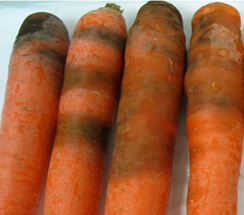

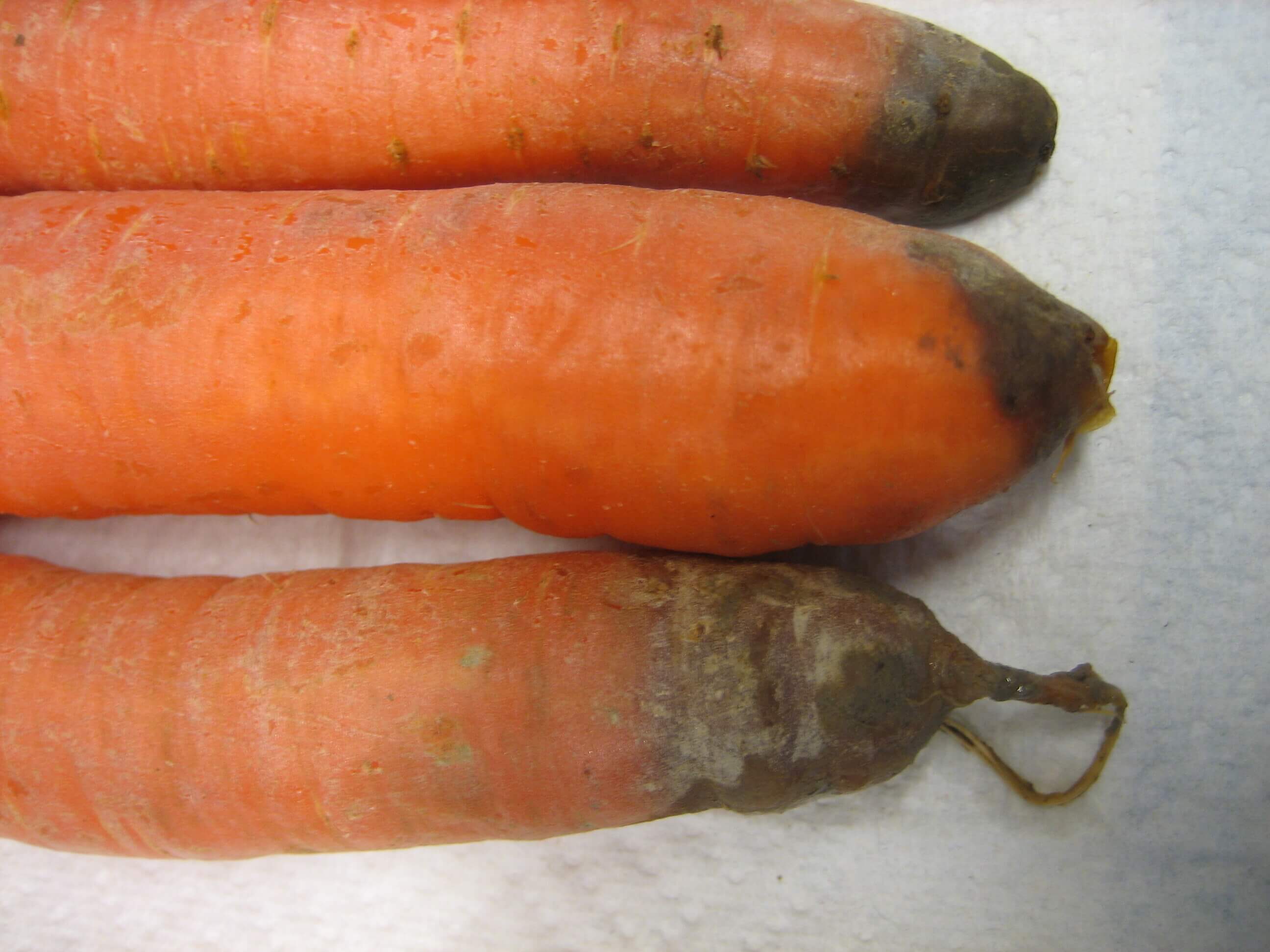
Ring rot or disease caused by Phytophthora megasperma in carrot is characterized by a progressive decomposition of the roots and neck of the plants. Symptoms generally begin in the roots, spreading towards the stem and causing general weakening of the plant.
- Discoloration and watery Taches on the roots
- Appearance of a ring of rot around the neck of the plant
- Necrosis of root and stem tissues
- Wilting and yellowing of foliage
- Plant collapse in advanced stages of infection
Insect
Carrot Weevil

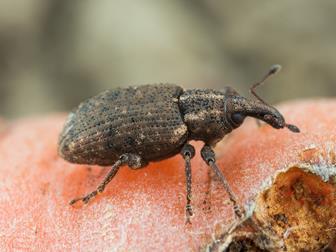

The carrot weevil causes a disease in carrots that can significantly affect their quality and yield. The main damage is caused by larvae feeding on the roots, which can lead to deformation, stunted growth and, in severe cases, death of the plant. Affected carrots show visible symptoms on both the aerial part and the roots.
- Holes and tunnels in the roots.
- Deformations and scars on carrots.
- Wilting and chlorosis of the leaves.
- Delay in plant growth.
- Loss of vigor.
- Death of young seedlings.
Bacterium
Carrot Scab
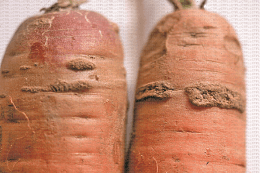
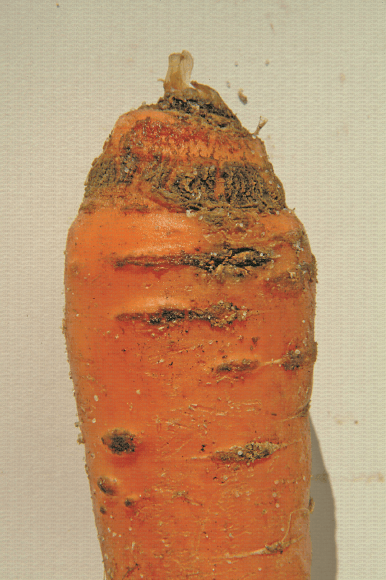

Carrot scab, caused by Streptomyces scabies, is a disease that primarily affects the appearance and quality of carrot roots. Infected roots develop superficial lesions that can become rough and warty, decreasing the commercial value of the crop.
- Rough lesions and scabs on the surface of the carrots.
- Brown discoloration in affected areas.
- Deformations and cracks in the roots.
- Warty and rough appearance.
- Reduction in plant growth and vigor.
- Loss of commercial quality of carrots.
Insect
Thrips
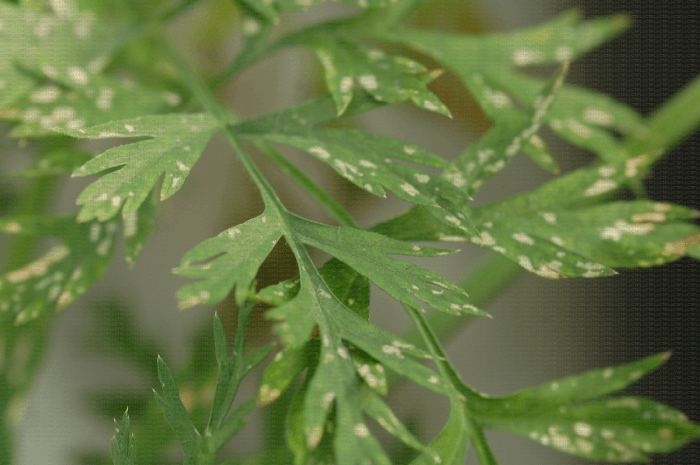
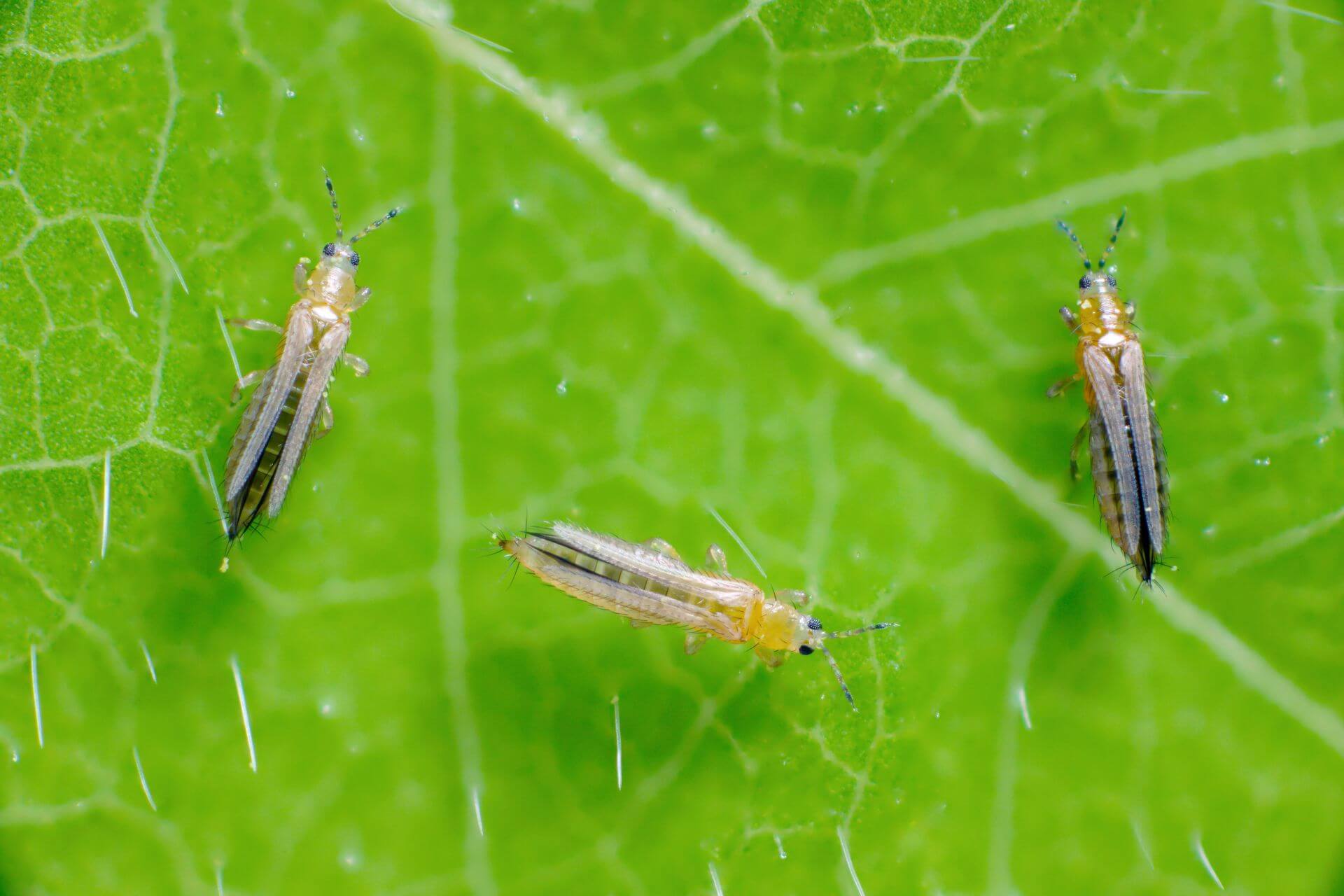

Frankliniella occidentalis infestation on carrots causes the disease known as thrips, which can result in significant damage to both the quality and quantity of the crop. Thrips feed by sucking cellular juices from the leaves and roots, which can weaken the plant and affect its development.
- Silvery or discolored Taches on the leaves.
- Dotted and wrinkled feeding areas.
- Distortion and malformation of the leaves.
- Reduction in the vigor and growth of plants.
- Healing on the surface of the roots.
- Delay in the development of carrots.
Fungus
Brown Crown And Root Rot


Brown crown and root rot, caused by Rhizoctonia solani, is a devastating disease of beet. This fungus infects the underground parts of the plant, causing a series of symptoms that affect both the development and yield of the crop. The disease initially manifests itself as brown Taches at the base of the plant, which progressively expand. The roots and crown are affected, showing dark brown decay and tissue collapse. Affected plants usually show stunted growth and may die if the infection is severe. The roots become soft and give off an unpleasant odor as the rot progresses.
- Brown Taches at the base of the plant
- Dark brown decay on roots and crown
- Stunted growth
- Death of severely infected plants
- Soft roots with an unpleasant odor
Fungus
Bad Vinous
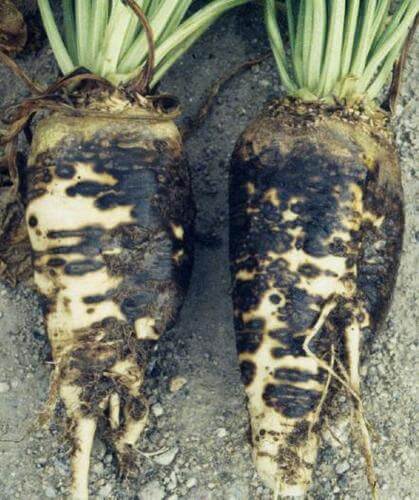
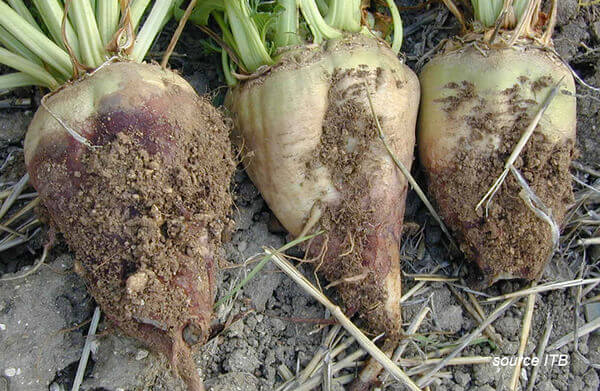
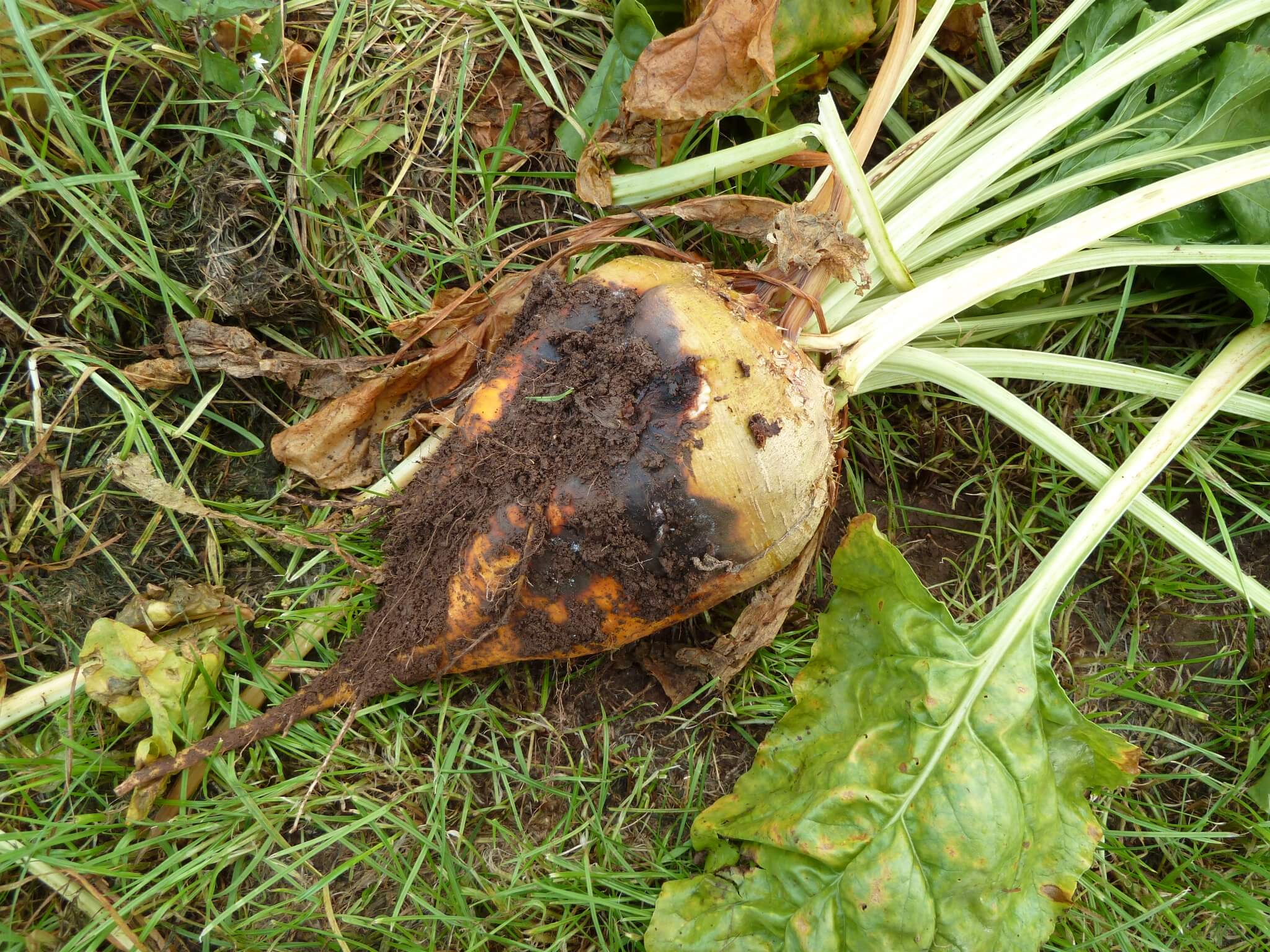
Wine disease, caused by Rhizoctonia violacea, severely affects beets, compromising both their development and productivity. The disease initially manifests itself as purple Taches on the roots and crown of the plant, which expand and darken over time. These Taches are the result of the breakdown of plant tissue, which turns brown and then black as the disease progresses. Affected plants show poor growth, wilting and, in severe cases, may die.
- Purple Taches on the roots and crown
- Decomposition of plant tissue
- Darkening of Taches to brown and black
- Poor plant growth
- Wilting
- Death of severely affected plants
Environmental stress
Overwatering
Excess water primarily affects the root system, but its effects are quickly felt throughout the entire plant.
Typical symptoms:
• Yellowing leaves (generalized chlorosis), especially on lower leaves.
• Wilting despite moist soil.
• Premature leaf drop.
• Dark, soft, or foul-smelling roots (root rot).
• Slow or stunted growth.
• Fungal growth at the base of the stem or in the soil.
Lack of oxygen in the soil hinders proper root development, progressively weakening the plant.
Stages of development:
• Initial: slight yellowing and loss of vigor.
Intermediate stage: wilting, leaf drop, and slow growth.
Advanced stage: root rot and general weakening.
Final stage: death of the plant due to root asphyxiation or associated diseases.
Environmental stress
Water shortage
Water stress initially affects the most exposed parts of the plant, those with the highest water demand, such as leaves and young shoots.
Typical symptoms:
• General wilting of the plant, especially during the hottest hours of the day.
• Dry, brittle, or curled leaves.
• Necrosis at the edges and tips of leaves (a "burned" appearance).
• Premature leaf, flower, or fruit drop.
• Reduced leaf and fruit size.
• Slow or stunted growth.
Progressive dehydration reduces metabolic activity and weakens the plant.
Stages of development:
• Initial: loss of turgor and slight wilting during the hottest hours of the day.
Intermediate stage: dry, curled leaves and organ drop.
Advanced stage: widespread necrosis and significant reduction in growth.
Final stage: complete desiccation and death of the plant if the condition is not corrected.
Environmental stress
Dry ends
Dry leaf tips begin gradually and, if the cause is not addressed, spread to the rest of the leaf.
Typical symptoms:
• Brown, dry leaf tips.
• Burnt-looking edges.
• The leaf remains green initially, but with damaged tips.
• The damage progresses from the tip inward.
• Older leaves are usually affected first.
• In more severe cases, yellowing and leaf drop occur.
This is a progressive problem that tends to worsen if watering or environmental conditions are not corrected.
Stages of development:
• Initial: Slightly dry tips.
Intermediate stage: More visible brown areas at the tips and edges.
Advanced stage: The damage progresses inward.
Final stage: Severely damaged, dry leaves and leaf drop.
Virus
Virus
Viruses can cause a wide variety of symptoms, but they usually affect leaves and new shoots.
Typical symptoms:
• Irregular light and dark green spots (mosaic pattern).
• Deformed, wrinkled, or smaller than normal leaves.
• Unusual yellowing that doesn't follow a clear pattern.
• Weak growth or stunted plant growth.
• Deformed or poorly developed flowers or fruit.
• General loss of vigor.
Unlike other problems, the symptoms are usually irregular and do not improve over time.
Stages of development:
• Initial: slight spots or color changes on young leaves.
Intermediate stage: deformities and irregular growth.
Advanced stage: general weakening and low yield.
Final stage: severely affected, unproductive plant or stunted growth.
Environmental stress
Excessive sun
Excessive sunlight usually affects the most exposed parts of the plant first, such as the upper, sun-facing leaves.
Typical symptoms:
• Dry or whitish spots on the leaves (sunburn).
• Dry edges or a "burned" appearance.
• Discolored leaves or leaves with a loss of green intensity.
• Dry or brittle texture.
• Wilting during the hottest hours of the day.
• In severe cases, leaf drop.
This is direct tissue damage, not a disease, and can appear rapidly.
Stages of development:
• Initial: slight discoloration or light spots.
• Intermediate stage: appearance of dry or burned areas.
• Advanced stage: damaged leaves and tissue loss.
• Final stage: leaf drop and general weakening.
Environmental stress
Lack of light
Lack of light causes quite visible changes in the plant's growth and appearance.
Typical symptoms:
• Long, weak stems (the plant stretches in search of light).
• Smaller than normal leaves.
• Pale green or yellowish color.
• Leaf drop, especially the lower leaves.
• Slow or almost stopped growth.
• Little or no flowering.
It is a progressive problem that mainly affects the plant's growth and shape.
Stages of development:
• Initial: slower growth and somewhat paler leaves.
Intermediate stage: elongated stems and loss of density.
Advanced stage: leaf drop and general weakening.
Final stage: very weak, deformed plant with almost no growth.
Nutritional disorder
Nitrogen Deficiency
Nitrogen deficiency is usually first noticed in the older leaves, which appear pale and weakened. Over time, the plant loses vigor, reduces its production, and becomes more susceptible to pests and diseases.
Typical symptoms:
• Yellow or pale green lower leaves (chlorosis).
• Thin stems and reduced growth.
• Small leaves and premature drop.
• Early and forced flowering.
• Poor fruit production or grains with low protein content.
Nitrogen deficiency progresses gradually, beginning with mild signs and reaching critical stages if not corrected promptly.
Developmental stages:
• Initial: Mature leaves are lighter than normal.
• Intermediate stage: Yellowing progresses from the lower leaves to the upper ones.
• Advanced: Stems and veins take on a reddish or purplish hue.
• Final: Generalized chlorosis, leaf necrosis, and premature wilting.
• Final consequence: sharp reduction in yield and even death of the plant.
Nutritional disorder
Phosphorus Deficiency
Phosphorus is relatively mobile in the plant, so symptoms usually appear on older leaves first, although overall development is also compromised.
Typical symptoms:
• Slow growth and stunted development.
• Older leaves with dull, dark green tones.
• Appearance of purple, reddish, or bluish pigmentation, especially on the undersides of leaves and stems.
• Poorly developed root system with few lateral roots.
• Delayed flowering and ripening.
• Small fruits and lower yield.
Phosphorus deficiency directly affects the plant's energy and vitality, making it weak and less able to withstand stress.
Developmental stages:
• Early: Older leaves with darker green than normal.
• Intermediate stage: Purple or reddish pigmentation on stems and veins.
• Advanced: Limited growth, short, and sparsely branched roots.
• Final: reduced flowering, poorly formed fruits and low productivity.
Nutritional disorder
Iron Deficiency
Unlike other nutrients, iron deficiency first manifests in young leaves, as the plant cannot mobilize it from older tissues. This helps distinguish it from deficiencies such as nitrogen or magnesium.
Typical symptoms:
• Chlorosis (yellowing) in young leaves, with visible green veins.
• Growth of new shoots is halted.
• Reduction in leaf size.
• In severe cases, leaves turn almost white with necrosis at the edges.
• Decreased flowering and fruit set.
Iron deficiency develops rapidly in calcareous or poorly drained soils, first affecting the newer areas of the plant and later compromising the entire foliage if not corrected.
Developmental stages:
• Early: Young leaves become lighter, retaining green veins.
• Intermediate stage: More intense yellowing, chlorosis spreading to the entire leaf.
• Advanced: Leaves with almost white tones, very limited growth.
• End: appearance of necrosis, leaf drop, and severe loss of yield.
Nutritional disorder
Potassium Deficiency
Unlike iron, potassium is mobile in the plant, so symptoms first appear on older leaves. The most characteristic appearance is marginal scorching (marginal necrosis), which progresses inward.
Typical symptoms:
• Yellowing (chlorosis) on the edges of lower leaves.
• Marginal necrosis, a "burnt" appearance.
• Leaves curled downward or with dark spots.
• Weak stems and thin buds.
• Small, deformed, or poorly colored fruits.
• Decreased resistance to drought and disease.
Potassium deficiency develops progressively and directly affects crop yield and quality, even if the plant survives.
Developmental stages:
• Initial: marginal chlorosis on older leaves.
• Intermediate stage: necrosis on edges and tips, progressing inward.
• Advanced: Leaves with dry, brittle edges, premature drop.
• Final: Thin stems, sparse flowering, poorly developed fruit, and increased sensitivity to stress.
Nutritional disorder
Magnesium Deficiency
Magnesium deficiency causes interveinal chlorosis, beginning in older leaves and progressing to newer leaves if not corrected.
Typical symptoms:
• Yellowing between the veins of older leaves (interveinal chlorosis).
• Leaf margins remain green while the center turns yellow.
• Small or wilted leaves.
• Loss of vigor and slow plant growth.
• In severe cases, leaves show necrotic spots and premature leaf drop.
• Decreased fruit and seed production.
Magnesium deficiency progresses gradually and affects the plant's photosynthetic capacity and overall metabolism, compromising yield and harvest quality.
Developmental stages:
• Initial: interveinal chlorosis in older leaves, while the veins remain green.
• Intermediate stage: more intense chlorosis and the appearance of necrotic spots.
• Advanced: leaves with dead tissue and premature leaf drop.
• Final: growth stopped, small or deformed fruits and loss of yield.
Nutritional disorder
Boron Deficiency
Boron deficiency first manifests in young shoots, flowers, and developing fruits due to their limited mobility within the plant.
Typical symptoms:
• Flower abortion and flower drop.
• Deformed, dry, or necrotic fruit.
• Dead or deformed terminal shoots.
• Small, curled, or chlorotic young leaves.
• Weak, brittle stems.
• Reduced root growth in young plants.
Boron deficiency develops rapidly in young tissues and reproductive organs. If left uncorrected, it compromises fruit and seed production, seriously affecting crop yield and quality.
Developmental stages:
• Early: Small, curled young leaves, shoots with limited growth.
• Intermediate stage: Flower and young fruit abortion, organ deformation.
• Advanced: Necrosis in fruits, death of terminal shoots.
• End: massive drop of flowers and fruits, significant reduction in the harvest.
Nutritional disorder
Calcium Deficiency
Calcium deficiency first affects actively growing parts. It is especially recognized in fruit quality problems such as blossom end rot in tomatoes and peppers, or bitter pit in apples.
Typical symptoms:
• Deformed, curled, or dry-tipped young leaves.
• Necrosis on the edges and tips of new leaves.
• Deterioration of fine root and shoot growth.
• Appearance of dark, sunken spots on fruit (e.g., blossom end rot in tomatoes).
• Soft or watery texture on fruit and leaves.
As a non-mobile nutrient, calcium deficiency develops in a localized manner, primarily affecting growing organs, with a strong impact on production quality.
Developmental stages:
• Initial: mild deformations in young leaves and shoot tips.
• Intermediate stage: necrosis at leaf tips and flower abortion.
• Advanced: sunken spots on fruit, blossom end rot.
• Final: loss of commercial value of the crop and reduction in yield.
Nutritional disorder
Sulfur Deficiency
Sulfur deficiency can be confused with nitrogen deficiency, but it affects young leaves rather than older ones.
Typical symptoms:
• Yellowing (chlorosis) in young leaves and new shoots.
• Delayed overall plant growth.
• Thin, brittle stems.
• Delayed flowering and ripening.
• Lower protein and oil content in grains and seeds.
Sulfur deficiency develops progressively and, if not corrected, limits crop quality and yield, especially in legumes, cruciferous crops, and cereals.
Developmental stages:
• Early: Young leaves with a uniform pale green color.
• Intermediate stage: More intense chlorosis in shoots, slow growth.
• Advanced: Thin stems, small, deformed leaves.
• Final: Marked reduction in flowering, protein-poor seeds, and lower total yield.
Oomycete
Ring Rot Or Disease
Ring rot or disease caused by Phytophthora megasperma in carrot is characterized by a progressive decomposition of the roots and neck of the plants. Symptoms generally begin in the roots, spreading towards the stem and causing general weakening of the plant.
- Discoloration and watery Taches on the roots
- Appearance of a ring of rot around the neck of the plant
- Necrosis of root and stem tissues
- Wilting and yellowing of foliage
- Plant collapse in advanced stages of infection
Environmental stress
Overwatering
Excess water primarily affects the root system, but its effects are quickly felt throughout the entire plant.
Typical symptoms:
• Yellowing leaves (generalized chlorosis), especially on lower leaves.
• Wilting despite moist soil.
• Premature leaf drop.
• Dark, soft, or foul-smelling roots (root rot).
• Slow or stunted growth.
• Fungal growth at the base of the stem or in the soil.
Lack of oxygen in the soil hinders proper root development, progressively weakening the plant.
Stages of development:
• Initial: slight yellowing and loss of vigor.
Intermediate stage: wilting, leaf drop, and slow growth.
Advanced stage: root rot and general weakening.
Final stage: death of the plant due to root asphyxiation or associated diseases.
Environmental stress
Water shortage
Water stress initially affects the most exposed parts of the plant, those with the highest water demand, such as leaves and young shoots.
Typical symptoms:
• General wilting of the plant, especially during the hottest hours of the day.
• Dry, brittle, or curled leaves.
• Necrosis at the edges and tips of leaves (a "burned" appearance).
• Premature leaf, flower, or fruit drop.
• Reduced leaf and fruit size.
• Slow or stunted growth.
Progressive dehydration reduces metabolic activity and weakens the plant.
Stages of development:
• Initial: loss of turgor and slight wilting during the hottest hours of the day.
Intermediate stage: dry, curled leaves and organ drop.
Advanced stage: widespread necrosis and significant reduction in growth.
Final stage: complete desiccation and death of the plant if the condition is not corrected.
Environmental stress
Dry ends
Dry leaf tips begin gradually and, if the cause is not addressed, spread to the rest of the leaf.
Typical symptoms:
• Brown, dry leaf tips.
• Burnt-looking edges.
• The leaf remains green initially, but with damaged tips.
• The damage progresses from the tip inward.
• Older leaves are usually affected first.
• In more severe cases, yellowing and leaf drop occur.
This is a progressive problem that tends to worsen if watering or environmental conditions are not corrected.
Stages of development:
• Initial: Slightly dry tips.
Intermediate stage: More visible brown areas at the tips and edges.
Advanced stage: The damage progresses inward.
Final stage: Severely damaged, dry leaves and leaf drop.
Virus
Virus
Viruses can cause a wide variety of symptoms, but they usually affect leaves and new shoots.
Typical symptoms:
• Irregular light and dark green spots (mosaic pattern).
• Deformed, wrinkled, or smaller than normal leaves.
• Unusual yellowing that doesn't follow a clear pattern.
• Weak growth or stunted plant growth.
• Deformed or poorly developed flowers or fruit.
• General loss of vigor.
Unlike other problems, the symptoms are usually irregular and do not improve over time.
Stages of development:
• Initial: slight spots or color changes on young leaves.
Intermediate stage: deformities and irregular growth.
Advanced stage: general weakening and low yield.
Final stage: severely affected, unproductive plant or stunted growth.
Environmental stress
Excessive sun
Excessive sunlight usually affects the most exposed parts of the plant first, such as the upper, sun-facing leaves.
Typical symptoms:
• Dry or whitish spots on the leaves (sunburn).
• Dry edges or a "burned" appearance.
• Discolored leaves or leaves with a loss of green intensity.
• Dry or brittle texture.
• Wilting during the hottest hours of the day.
• In severe cases, leaf drop.
This is direct tissue damage, not a disease, and can appear rapidly.
Stages of development:
• Initial: slight discoloration or light spots.
• Intermediate stage: appearance of dry or burned areas.
• Advanced stage: damaged leaves and tissue loss.
• Final stage: leaf drop and general weakening.
Environmental stress
Lack of light
Lack of light causes quite visible changes in the plant's growth and appearance.
Typical symptoms:
• Long, weak stems (the plant stretches in search of light).
• Smaller than normal leaves.
• Pale green or yellowish color.
• Leaf drop, especially the lower leaves.
• Slow or almost stopped growth.
• Little or no flowering.
It is a progressive problem that mainly affects the plant's growth and shape.
Stages of development:
• Initial: slower growth and somewhat paler leaves.
Intermediate stage: elongated stems and loss of density.
Advanced stage: leaf drop and general weakening.
Final stage: very weak, deformed plant with almost no growth.
Nutritional disorder
Nitrogen Deficiency
Nitrogen deficiency is usually first noticed in the older leaves, which appear pale and weakened. Over time, the plant loses vigor, reduces its production, and becomes more susceptible to pests and diseases.
Typical symptoms:
• Yellow or pale green lower leaves (chlorosis).
• Thin stems and reduced growth.
• Small leaves and premature drop.
• Early and forced flowering.
• Poor fruit production or grains with low protein content.
Nitrogen deficiency progresses gradually, beginning with mild signs and reaching critical stages if not corrected promptly.
Developmental stages:
• Initial: Mature leaves are lighter than normal.
• Intermediate stage: Yellowing progresses from the lower leaves to the upper ones.
• Advanced: Stems and veins take on a reddish or purplish hue.
• Final: Generalized chlorosis, leaf necrosis, and premature wilting.
• Final consequence: sharp reduction in yield and even death of the plant.
Nutritional disorder
Phosphorus Deficiency
Phosphorus is relatively mobile in the plant, so symptoms usually appear on older leaves first, although overall development is also compromised.
Typical symptoms:
• Slow growth and stunted development.
• Older leaves with dull, dark green tones.
• Appearance of purple, reddish, or bluish pigmentation, especially on the undersides of leaves and stems.
• Poorly developed root system with few lateral roots.
• Delayed flowering and ripening.
• Small fruits and lower yield.
Phosphorus deficiency directly affects the plant's energy and vitality, making it weak and less able to withstand stress.
Developmental stages:
• Early: Older leaves with darker green than normal.
• Intermediate stage: Purple or reddish pigmentation on stems and veins.
• Advanced: Limited growth, short, and sparsely branched roots.
• Final: reduced flowering, poorly formed fruits and low productivity.
Nutritional disorder
Iron Deficiency
Unlike other nutrients, iron deficiency first manifests in young leaves, as the plant cannot mobilize it from older tissues. This helps distinguish it from deficiencies such as nitrogen or magnesium.
Typical symptoms:
• Chlorosis (yellowing) in young leaves, with visible green veins.
• Growth of new shoots is halted.
• Reduction in leaf size.
• In severe cases, leaves turn almost white with necrosis at the edges.
• Decreased flowering and fruit set.
Iron deficiency develops rapidly in calcareous or poorly drained soils, first affecting the newer areas of the plant and later compromising the entire foliage if not corrected.
Developmental stages:
• Early: Young leaves become lighter, retaining green veins.
• Intermediate stage: More intense yellowing, chlorosis spreading to the entire leaf.
• Advanced: Leaves with almost white tones, very limited growth.
• End: appearance of necrosis, leaf drop, and severe loss of yield.
Nutritional disorder
Potassium Deficiency
Unlike iron, potassium is mobile in the plant, so symptoms first appear on older leaves. The most characteristic appearance is marginal scorching (marginal necrosis), which progresses inward.
Typical symptoms:
• Yellowing (chlorosis) on the edges of lower leaves.
• Marginal necrosis, a "burnt" appearance.
• Leaves curled downward or with dark spots.
• Weak stems and thin buds.
• Small, deformed, or poorly colored fruits.
• Decreased resistance to drought and disease.
Potassium deficiency develops progressively and directly affects crop yield and quality, even if the plant survives.
Developmental stages:
• Initial: marginal chlorosis on older leaves.
• Intermediate stage: necrosis on edges and tips, progressing inward.
• Advanced: Leaves with dry, brittle edges, premature drop.
• Final: Thin stems, sparse flowering, poorly developed fruit, and increased sensitivity to stress.
Nutritional disorder
Magnesium Deficiency
Magnesium deficiency causes interveinal chlorosis, beginning in older leaves and progressing to newer leaves if not corrected.
Typical symptoms:
• Yellowing between the veins of older leaves (interveinal chlorosis).
• Leaf margins remain green while the center turns yellow.
• Small or wilted leaves.
• Loss of vigor and slow plant growth.
• In severe cases, leaves show necrotic spots and premature leaf drop.
• Decreased fruit and seed production.
Magnesium deficiency progresses gradually and affects the plant's photosynthetic capacity and overall metabolism, compromising yield and harvest quality.
Developmental stages:
• Initial: interveinal chlorosis in older leaves, while the veins remain green.
• Intermediate stage: more intense chlorosis and the appearance of necrotic spots.
• Advanced: leaves with dead tissue and premature leaf drop.
• Final: growth stopped, small or deformed fruits and loss of yield.
Nutritional disorder
Boron Deficiency
Boron deficiency first manifests in young shoots, flowers, and developing fruits due to their limited mobility within the plant.
Typical symptoms:
• Flower abortion and flower drop.
• Deformed, dry, or necrotic fruit.
• Dead or deformed terminal shoots.
• Small, curled, or chlorotic young leaves.
• Weak, brittle stems.
• Reduced root growth in young plants.
Boron deficiency develops rapidly in young tissues and reproductive organs. If left uncorrected, it compromises fruit and seed production, seriously affecting crop yield and quality.
Developmental stages:
• Early: Small, curled young leaves, shoots with limited growth.
• Intermediate stage: Flower and young fruit abortion, organ deformation.
• Advanced: Necrosis in fruits, death of terminal shoots.
• End: massive drop of flowers and fruits, significant reduction in the harvest.
Nutritional disorder
Calcium Deficiency
Calcium deficiency first affects actively growing parts. It is especially recognized in fruit quality problems such as blossom end rot in tomatoes and peppers, or bitter pit in apples.
Typical symptoms:
• Deformed, curled, or dry-tipped young leaves.
• Necrosis on the edges and tips of new leaves.
• Deterioration of fine root and shoot growth.
• Appearance of dark, sunken spots on fruit (e.g., blossom end rot in tomatoes).
• Soft or watery texture on fruit and leaves.
As a non-mobile nutrient, calcium deficiency develops in a localized manner, primarily affecting growing organs, with a strong impact on production quality.
Developmental stages:
• Initial: mild deformations in young leaves and shoot tips.
• Intermediate stage: necrosis at leaf tips and flower abortion.
• Advanced: sunken spots on fruit, blossom end rot.
• Final: loss of commercial value of the crop and reduction in yield.
Nutritional disorder
Sulfur Deficiency
Sulfur deficiency can be confused with nitrogen deficiency, but it affects young leaves rather than older ones.
Typical symptoms:
• Yellowing (chlorosis) in young leaves and new shoots.
• Delayed overall plant growth.
• Thin, brittle stems.
• Delayed flowering and ripening.
• Lower protein and oil content in grains and seeds.
Sulfur deficiency develops progressively and, if not corrected, limits crop quality and yield, especially in legumes, cruciferous crops, and cereals.
Developmental stages:
• Early: Young leaves with a uniform pale green color.
• Intermediate stage: More intense chlorosis in shoots, slow growth.
• Advanced: Thin stems, small, deformed leaves.
• Final: Marked reduction in flowering, protein-poor seeds, and lower total yield.
Oomycete
Ring Rot Or Disease
Ring rot or disease caused by Phytophthora megasperma in carrot is characterized by a progressive decomposition of the roots and neck of the plants. Symptoms generally begin in the roots, spreading towards the stem and causing general weakening of the plant.
- Discoloration and watery Taches on the roots
- Appearance of a ring of rot around the neck of the plant
- Necrosis of root and stem tissues
- Wilting and yellowing of foliage
- Plant collapse in advanced stages of infection
EFFECTIVE PRODUCTS AGAINST THIS PEST
Sponsored link

Sponsored link


Sponsored link
Sponsored link
Sponsored link


Sponsored link
Sponsored link
Effective against all types of fungi

Sponsored link


Sponsored link
Sponsored link

Sponsored link


Sponsored link
Receive our blogs and news in your email

Enjoy idMicrobe TOTALLY FREE, with no trial periods


