

Leaf spots on plants: causes and treatments
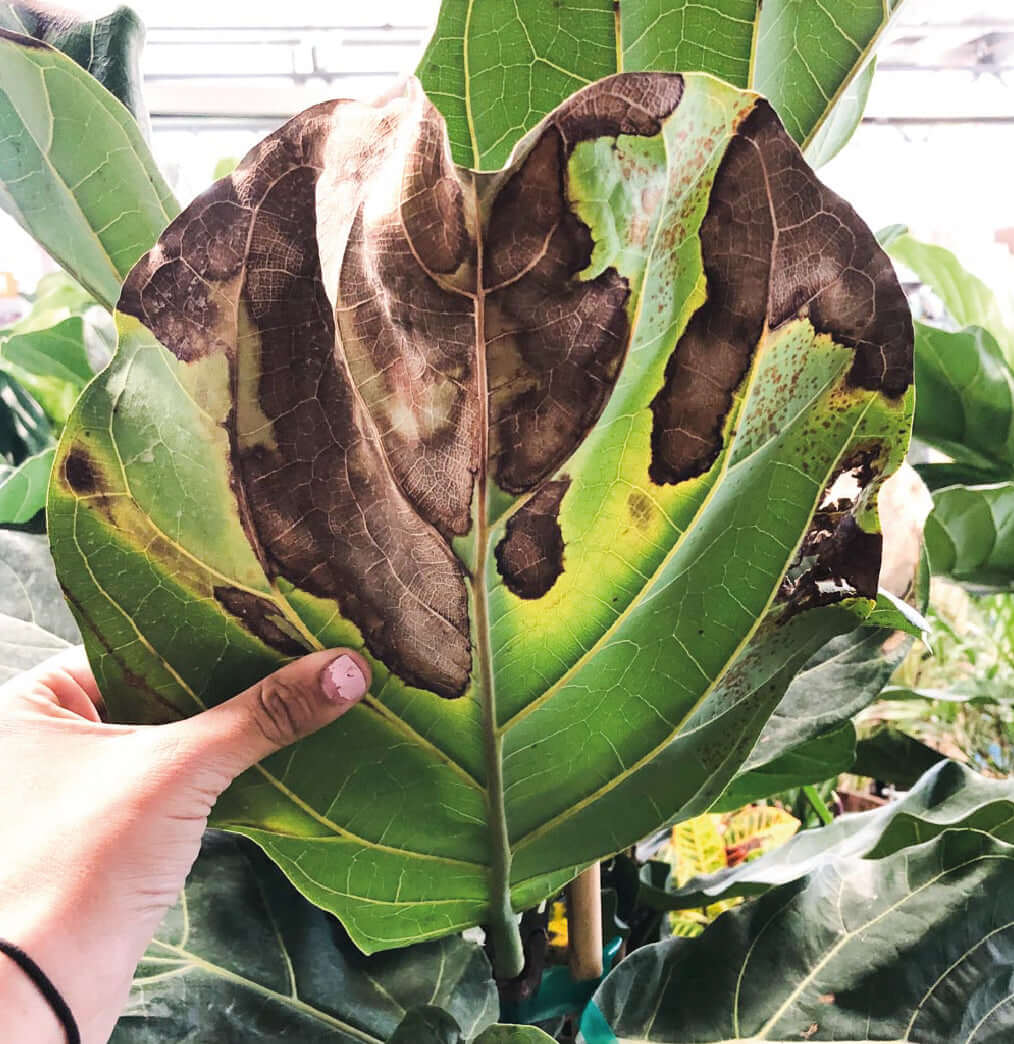
Spots on leaves are one of the most common symptoms seen in indoor plants, garden plants, and crops. These lesions can appear in different colors such as brown, black, yellow, or gray, and may be linked to fungi, bacteria, or even environmental issues. Identifying the type of spot and how it evolves is essential to accurately diagnose the cause, stop it from spreading, and apply the most effective treatment as early as possible.
What causes spots on plants?
Leaf spots can be caused by a range of factors, most commonly fungal and bacterial diseases such as sooty mold, septoria, alternaria, or anthracnose. Each disease has its own characteristic symptoms, so observing the color, shape, size, and progression of the spots is key to correctly identifying the source of the problem and choosing the most appropriate treatment, preventing further spread and more serious damage to the plant or crop.
How to treat spots on plants
Treatment for leaf spots depends on the specific cause. Diseases such as alternaria, anthracnose, or bacterial infections require different approaches, so correctly identifying the origin of the problem is essential before applying any product.
Diseases that cause spots on plants
How to prevent leaf spots on plants
Although spots can have different causes, there are general practices that help reduce their occurrence:
- Avoid excess moisture on leaves
- Improve airflow around the plant
- Use targeted watering instead of overhead irrigation
- Remove infected plant debris
Not sure what’s happening to your plant?
⚠️ It’s easy to confuse diseases like alternaria, septoria, anthracnose, or bacterial infections when spots appear on leaves.
Many diseases show very similar symptoms, and a misdiagnosis can make treatment ineffective or even worsen the problem. Get a professional diagnosis with the causes, treatments, and step-by-step guidance.


Explore more tools
Services
Contact
Legal
©2023 by ZeriMar Laboratoire. All rights reserved.