

Ácaros
Mites
Panonychus Ulmi, Phytoptus Pyri, Epitrimerus Pyri
Pathogen:
Insect
Type:
Risk to the plant:
INTERMEDIATE

DESCRIPTION
WHO CAUSES IT?
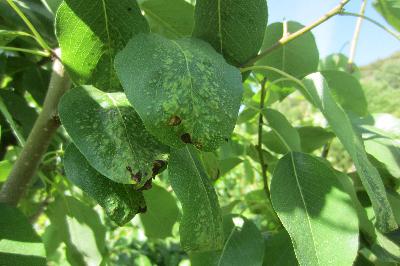
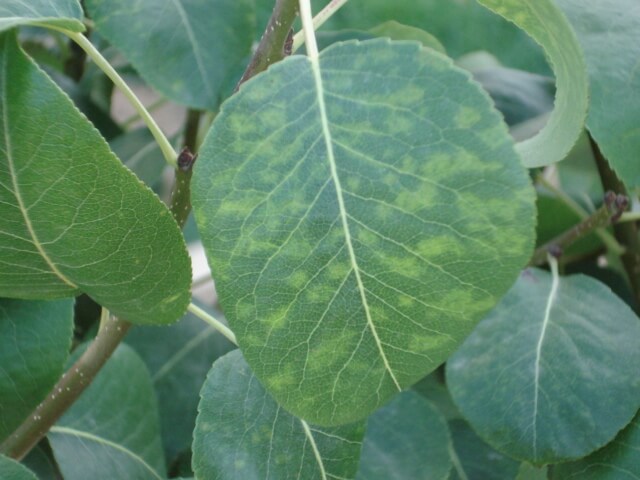
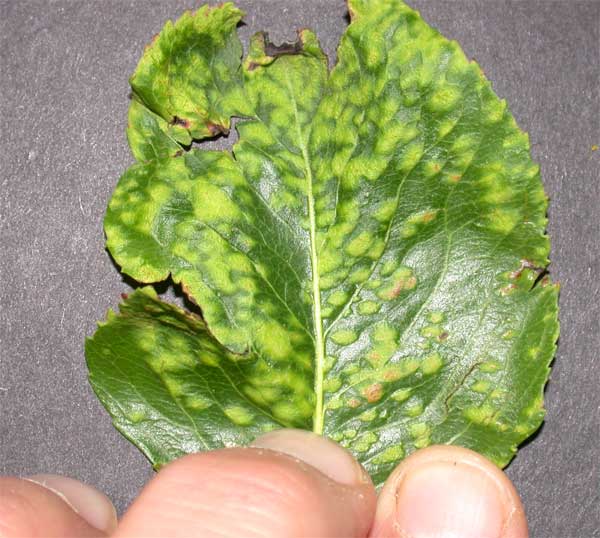
Panonychus ulmi, Phytoptus pyri and Epitrimerus pyri are mites that affect the pear tree, causing serious damage. Panonychus ulmi, known as the European red mite, is a bright red mite that lays eggs in the bark and leaves. The larvae hatch in spring and feed on leaves, going through several molts before reaching the adult phase. Phytoptus pyri, also called pear eriophyid mite, is much smaller and whitish in color. This mite spends the winter in the buds and shoots, becoming active in spring to feed on new leaves. Epitrimerus pyri, or pear erinosis mite, is similar in size and behavior to Phytoptus pyri, but tends to create galls and deformations on the leaves. The life cycles of these mites are influenced by climatic conditions, and they can have several generations per year, especially in hot, dry climates.
SYMPTOMS
The infestation of these mites in the pear tree can cause a disease that deteriorates the health and productivity of the tree. Mite feeding causes stress on the tree, which can lead to reduced photosynthesis, limited growth, and reduced fruit production. Damage can also predispose the pear tree to other secondary diseases.
- Discolored and tanned leaves.
- Presence of fine cobwebs on the surface of the leaves.
- Deformations and dents on the leaves.
- Premature fall of leaves.
- Reduction in the size and quality of the fruits.
- Deformed or dead shoots and buds.


TEMPERATURE AND HUMIDITY
20°C - 30°C
50% - 70%

HOW IS IT SPREAD?
Wind, Mobility of mites, Infected plant material, Transport of infested fruits

HOW TO REMOVE IT?
Home remedies
There are no home treatments
Chemical treatments
• RAPE OIL 1.69% ( ) [AL] P/V
• RAPE OIL 77.7% [EC] P/V
• ORANGE OIL 60g/L [ME] P/S
• PARAFFIN OIL (CAS [64742-46-7]) 79% [EC] P/V
• PARAFFIN OIL (CAS [64742-46-7]) 80% [EC] P/V
• PARAFFIN OIL (CAS [8042-47-5]) 54.6% [EW] P/V
• PARAFFIN OIL (CAS [8042-47-5]) 79% [EC] P/V
• PARAFFIN OIL (CAS [97862-82-3]) 40% [EW] P/V
• Paraffin oil 65.4% [EW] P/V
• PARAFFIN OIL 81.7% [EC] P/V
• PARAFFIN OIL 83% [EC] P/V
• ACEQUINOCIL 16.4% [SC] P/V
• SULFUR 70% [SC] P/V
• SULFUR 72% [SC] P/V
• SULFUR 80% [SC] P/V
• SULFUR 80% [WG] P/P
• SULFUR 80% [WP] P/P
• CIFLUMETOFEN 20% [SC] P/V
• PHENPIROXIMATE 6.24% + HEXITIAZOX 3.12% [SC] P/V
• ALUMINUM PHOSPHIDE 56% (0.6 G/TABLET) [GE] P/P
• ALUMINUM PHOSPHIDE 56% (3 G/TABLET) [GE] P/P
• ALUMINUM PHOSPHIDE 56% [GE] P/P
• HEXITIAZOX 10% [WP] P/P
• HEXITIAZOX 25.13% [SC] P/V
• HEXITIAZOX 25.87% [SC] P/V
• HEXITIAZOX 25% [SC] P/V
• LAMBDA CYHALOTHRIN 10% [CS] P/V
• MALTODEXTRIN 47.6% [SL] P/V
• POTASSIUM SALTS OF FATTY ACIDS C14-C20 48% [EW] P/V
• SPIROTETRAMAT 10% [SC] P/V
• TAU-FLUVALINATE 24% [EW] P/V
Authorized treatments in organic farming
• RAPE OIL 1.69% ( ) [AL] P/V
• RAPE OIL 77.7% [EC] P/V
• ORANGE OIL 60g/L [ME] P/S
• PARAFFIN OIL (CAS [64742-46-7]) 79% [EC] P/V
• PARAFFIN OIL (CAS [64742-46-7]) 80% [EC] P/V
• PARAFFIN OIL (CAS [8042-47-5]) 54.6% [EW] P/V
• PARAFFIN OIL (CAS [8042-47-5]) 79% [EC] P/V
• PARAFFIN OIL (CAS [97862-82-3]) 40% [EW] P/V
• Paraffin oil 65.4% [EW] P/V
• PARAFFIN OIL 81.7% [EC] P/V
• PARAFFIN OIL 83% [EC] P/V
• SULFUR 70% [SC] P/V
• SULFUR 72% [SC] P/V
• SULFUR 80% [SC] P/V
• SULFUR 80% [WG] P/P
• SULFUR 80% [WP] P/P
• LAMBDA CYHALOTHRIN 10% [CS] P/V
• MALTODEXTRIN 47.6% [SL] P/V
• POTASSIUM SALTS OF FATTY ACIDS C14-C20 48% [EW] P/V
Insect allies
PREDATORY MITES
LADYBUGS
LACEWINGS
PARASITIC WASPS
HOVERFLIES OR PARASITIC FLIES
PREDATORY BUGS
There are no natural allies
Mycodiplosis oidii (predatory mosquito)
EFFECTIVE PRODUCTS TO ELIMINATE THIS DISEASE
Sponsored link
Sponsored link


Sponsored link
Sponsored link
Sponsored link


Sponsored link
Sponsored link
Effective against all types of fungi

Sponsored link


Sponsored link
Sponsored link

Sponsored link


Sponsored link
- Regularly monitor trees for the presence of mites in the early stages of infestation.
- Use horticultural oils and insecticidal soaps to suffocate and eliminate mites in the initial phases.
- Implement integrated pest management practices, combining biological, cultural and chemical methods.
- Introduce natural predators of mites, such as phytoseiids and other beneficial mites.
- Avoid excessive use of nitrogen fertilizers, which can favor the growth of mite populations.
- Apply selective acaricides during periods of greatest susceptibility, especially in spring and summer.
- Maintain good hygiene in the garden, eliminating fallen leaves and plant debris that may harbor mites.
- Carry out appropriate pruning to improve ventilation and reduce humidity in the foliage.
- Rotate crops and avoid planting pear trees in areas with a history of high mite infestation.
- Apply preventive treatments based on monitoring and favorable weather conditions for mites.
Recommendations

Enjoy idMicrobe TOTALLY FREE, with no trial periods.


