

Insectos
Avocado Tree Rooter
Trioza Anceps
Pathogen:
Insect
Type:
Risk to the plant:
HIGH

DESCRIPTION
WHO CAUSES IT?
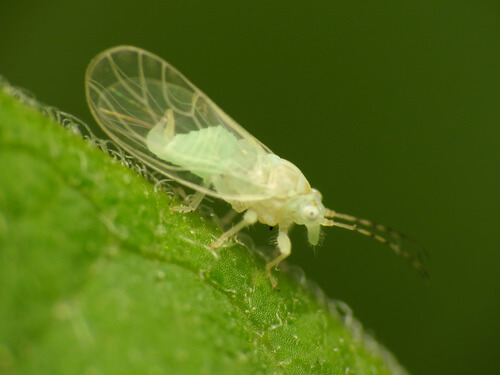
Trioza anceps is a hemipteran insect belonging to the Psyllidae family. This small insect, commonly known as a psyllid, goes through several stages in its development: egg, five nymphal instars and adult. Adult females lay their eggs in the young tissue of avocado plants, especially young leaves. The nymphs emerge from the eggs and feed on plant sap using their sucking mouthparts. During feeding, nymphs excrete a sugary substance called honeydew, which can attract sooty mold fungi. The adults, after passing through all the nymphal stages, fly to other host plants to continue the cycle. The activity of Trioza anceps can persist throughout the year in suitable climates, favoring its spread and survival.
SYMPTOMS
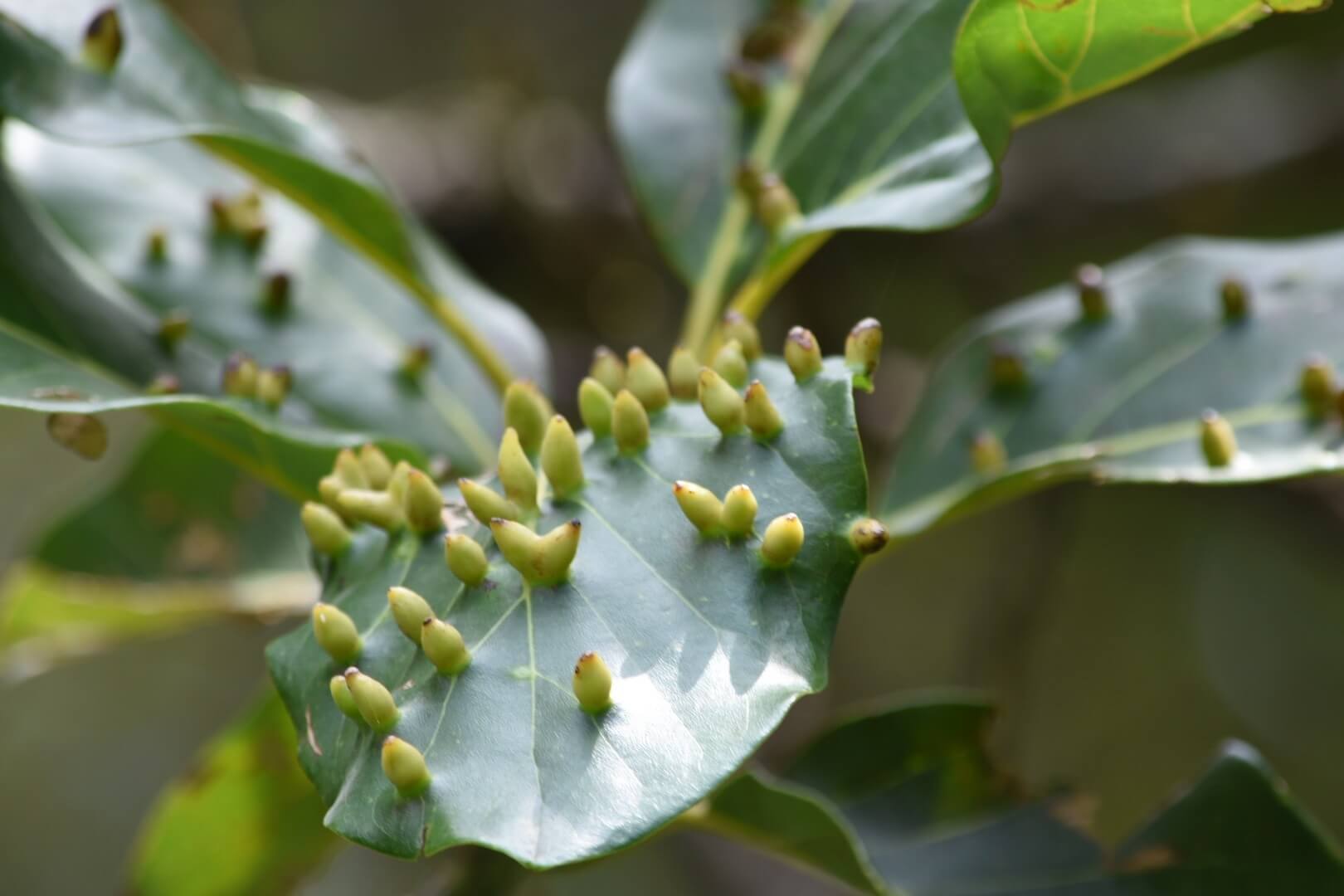
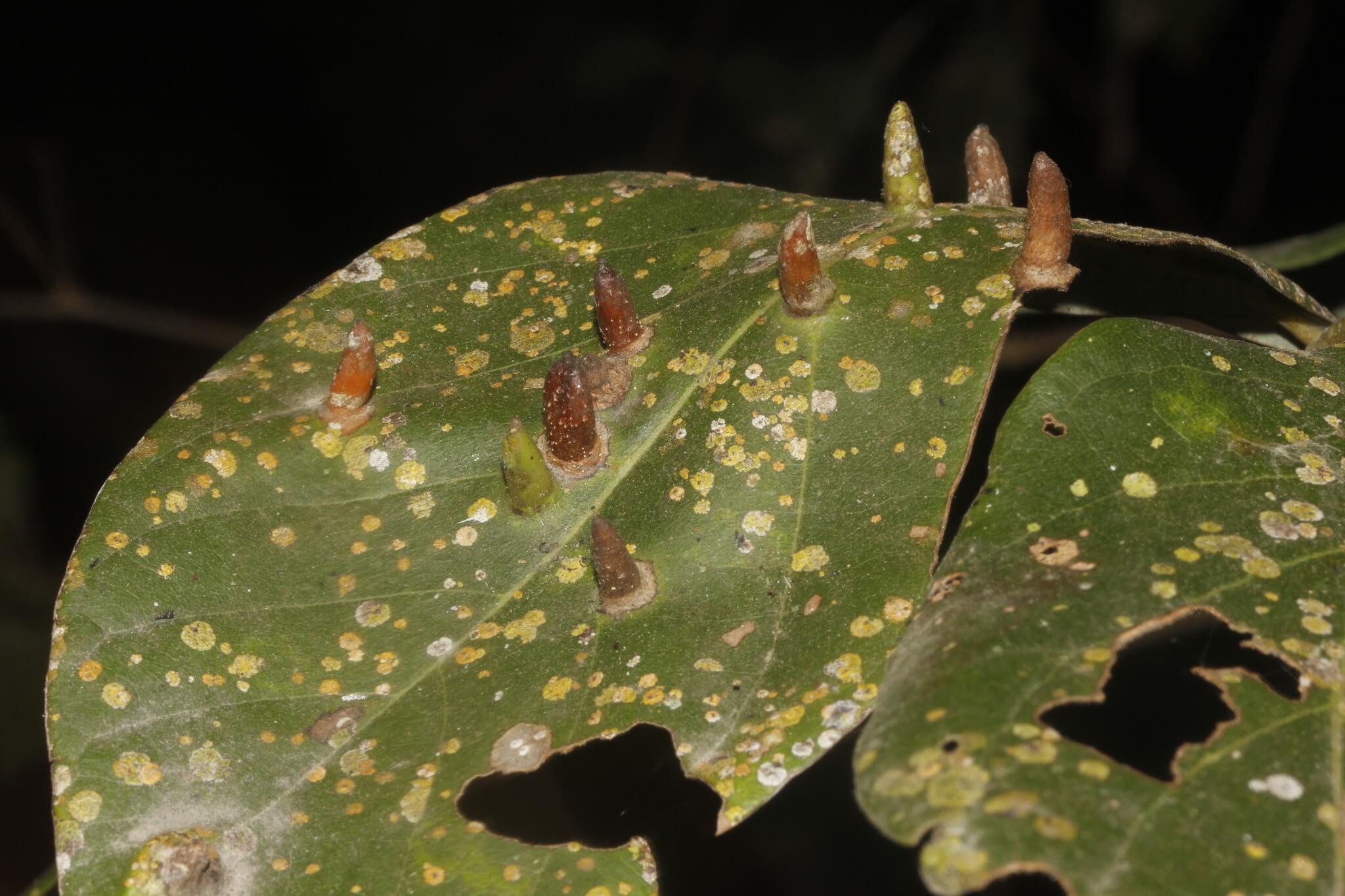
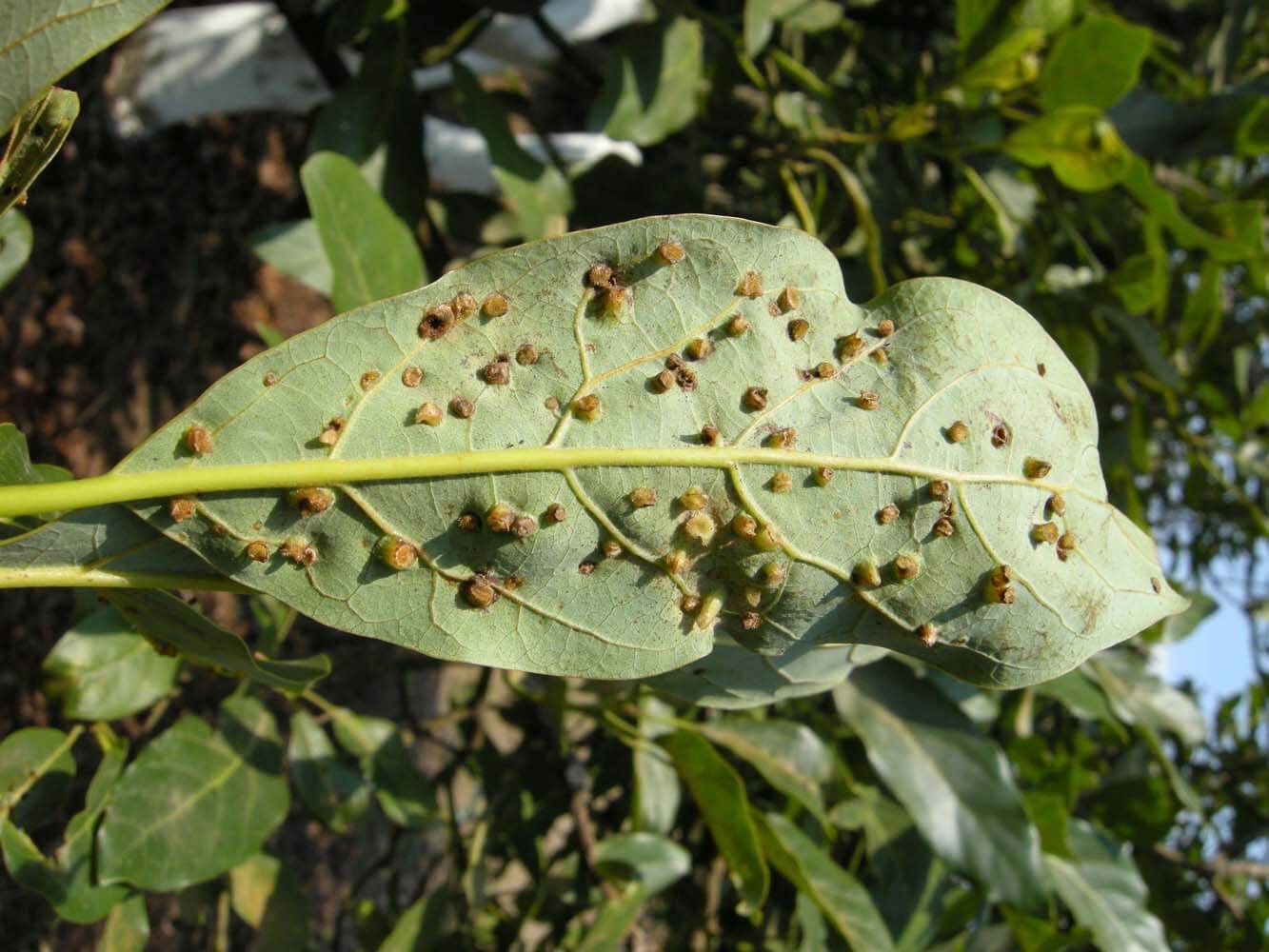
Avocado trees affected by Trioza anceps develop a disease known as avocado root knot. This disease manifests itself mainly on the young leaves and tender shoots of the plant. The main symptoms include curling and thickening of the leaves, the formation of galls or deformations in the affected parts, reduced shoot growth, premature defoliation, and decreased quality and quantity of fruits. These symptoms can severely weaken the plant, affecting its development and productivity.
• Curling and thickening of leaves
• Formation of galls or deformations
• Reduction in shoot growth
• Premature defoliation
• Decrease in the quality and quantity of fruits


TEMPERATURE AND HUMIDITY
20ºC - 30ºC
60% - 80%

HOW IS IT SPREAD?
Wind, movement of infested plant material, contaminated pruning tools.

HOW TO REMOVE IT?
Home remedies
There are no home treatments
Chemical treatments
• PARAFFIN OIL (CAS [64742-46-7]) 79% [EC] P/V
• ORANGE OIL 60g/L [ME] P/S
Authorized treatments in organic farming
• PARAFFIN OIL (CAS [64742-46-7]) 79% [EC] P/V
• ORANGE OIL 60g/L [ME] P/S
Insect allies
PREDATORY MITES
LADYBUGS
LACEWINGS
PARASITIC WASPS
HOVERFLIES OR PARASITIC FLIES
PREDATORY BUGS
There are no natural allies
Mycodiplosis oidii (predatory mosquito)
EFFECTIVE PRODUCTS TO ELIMINATE THIS DISEASE
Sponsored link
Sponsored link


Sponsored link
Sponsored link
Sponsored link


Sponsored link
Sponsored link
Effective against all types of fungi

Sponsored link


Sponsored link
Sponsored link

Sponsored link


Sponsored link
• Regularly monitor avocado crops for early signs of infestation.
• Use yellow sticky traps to capture adults and reduce their population.
• Implement integrated pest management (IPM) practices, such as the conservation of natural enemies and the selective application of specific insecticides.
• Avoid excessive use of nitrogen fertilizers that can favor the growth of tender shoots and, therefore, the attraction of psyllids.
• Prune and destroy affected parts of the plant to limit the spread of the pest.
• Promote crop diversity and plantation rotation to reduce pest pressure.
Recommendations

Enjoy idMicrobe TOTALLY FREE, with no trial periods.


