

Alternariosis
Alternariosis
Alternaria Tenuis
Pathogen:
Fungus
Type:
Risk to the plant:
HIGH

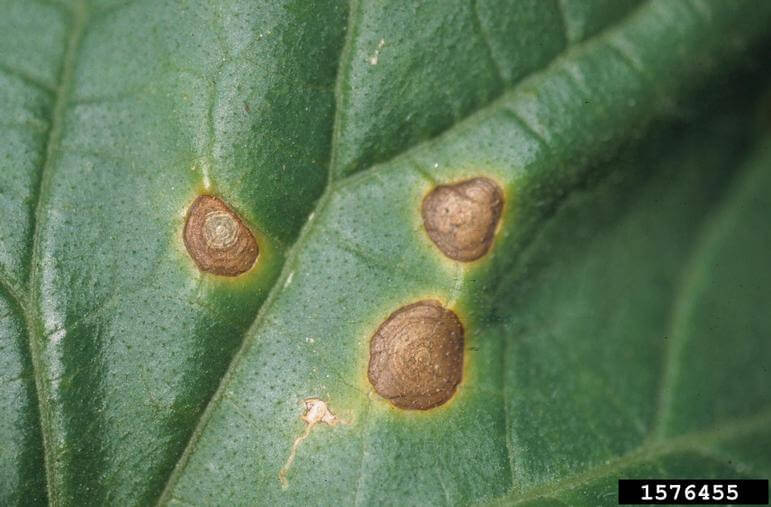

DESCRIPTION
WHO CAUSES IT?
Alternaria tenuis is a phytopathogenic fungus that affects a variety of crops, including beet. This fungus produces conidial spores that are dispersed mainly by wind and rain. These spores can remain viable in soil and crop residues for long periods. Infection begins when spores germinate in favorable conditions of high humidity and moderate temperatures, penetrating plant tissues through stomata or wounds. The fungus develops a mycelium that spreads between the host's cells, producing toxins that break down the plant's tissues. As the infection progresses, the fungus continues to produce spores that are released and dispersed to initiate new infections.
SYMPTOMS
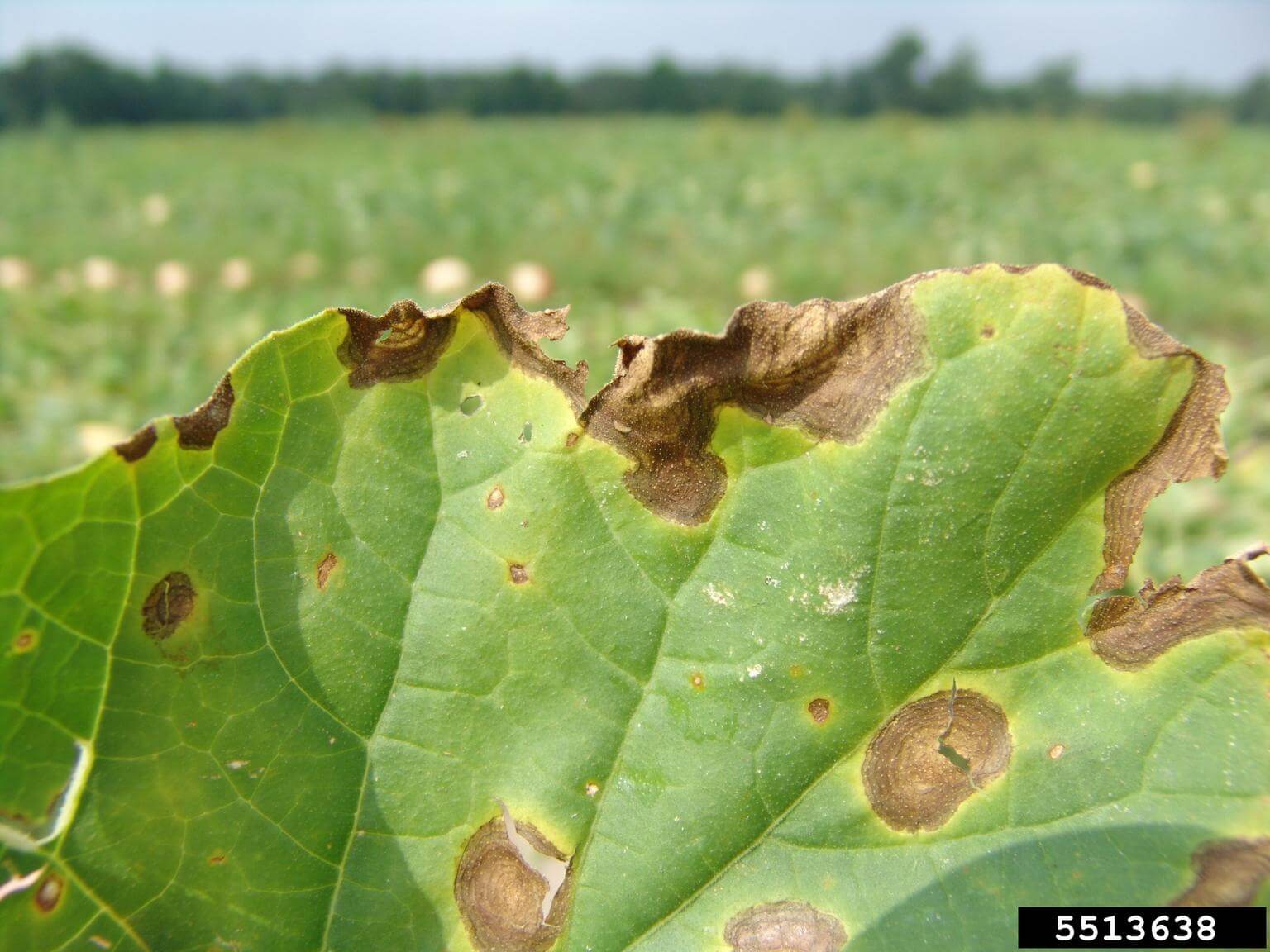
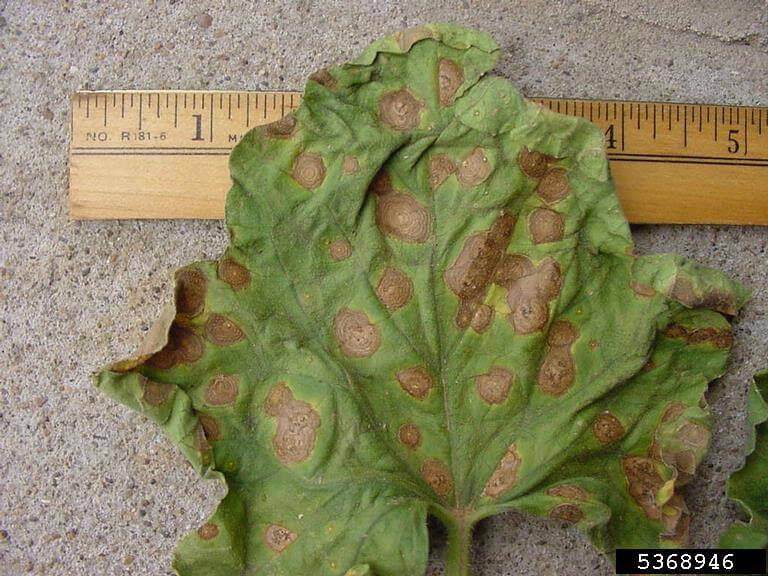
Alternariosis caused by Alternaria tenuis in beet is characterized by the appearance of dark Taches on the leaves, which gradually enlarge and become necrotic. These Taches can coalesce, resulting in premature defoliation that affects photosynthesis and, therefore, plant growth and yield. Severely affected plants may show symptoms of wilting and poor overall development, compromising the quality and quantity of the harvest.
- Dark Taches on the leaves.
- Necrotic lesions that enlarge.
- Coalescence of stains.
- Premature defoliation.
- Reduction of photosynthesis.
- Wilting and poor development of the plant.


TEMPERATURE AND HUMIDITY
15°C - 25°C
80% - 90%

HOW IS IT SPREAD?
Wind, Rain, Contaminated soil, Infected crop remains, Contaminated agricultural tools

HOW TO REMOVE IT?
Home remedies
There are no home treatments
Chemical treatments
• AZOXISTROBIN 20% + DIFENOCONAZOLE 12.5% [SC] P/V
• DIFENOCONAZOLE 25% [EC] P/V
• COPPER OXYCHLORIDE 35% (EXPR. IN CU) [WG] P/P
• CUPROCALCIC SULFATE 12.4% (EXPR. IN CU) [SC] P/V
• CUPROCALCIC SULFATE 20% (EXPR. IN CU) [WG] P/P
Authorized treatments in organic farming
• COPPER OXYCHLORIDE 35% (EXPR. IN CU) [WG] P/P
• CUPROCALCIC SULFATE 12.4% (EXPR. IN CU) [SC] P/V
• CUPROCALCIC SULFATE 20% (EXPR. IN CU) [WG] P/P
Insect allies
PREDATORY MITES
LADYBUGS
LACEWINGS
PARASITIC WASPS
HOVERFLIES OR PARASITIC FLIES
PREDATORY BUGS
There are no natural allies
Mycodiplosis oidii (predatory mosquito)
EFFECTIVE PRODUCTS TO ELIMINATE THIS DISEASE
Sponsored link
Sponsored link


Sponsored link
Sponsored link
Sponsored link


Sponsored link
Sponsored link
Effective against all types of fungi

Sponsored link


Sponsored link
Sponsored link

Sponsored link


Sponsored link
- Crop rotation to reduce the accumulation of the fungus in the soil.
- Use of beet varieties resistant to Alternaria.
- Regular application of specific fungicides as a preventive and curative measure.
- Removal and destruction of infected crop remains.
- Improved soil drainage to avoid high humidity conditions.
- Constant monitoring of crops to detect the disease early.
- Implementation of proper growing practices, such as plant spacing to improve air circulation.
- Disinfection of tools and agricultural machinery to prevent the spread of the fungus.
Recommendations

Enjoy idMicrobe TOTALLY FREE, with no trial periods.


