

Antracnosis
Anthracnose
Microdochium Panattoniana
Pathogen:
Fungus
Type:
Risk to the plant:
HIGH

DESCRIPTION
WHO CAUSES IT?
The pathogen Microdochium panattoniana is a fungus that causes diseases in several plants, including lettuce. This fungus produces spores that spread through air and water, as well as through contact with infected tools and plant debris. Spores germinate in favorable conditions of humidity and temperature, penetrating plant tissues through wounds or natural openings such as stomata. Once inside the plant, the fungus forms mycelia that colonize the tissues, causing necrosis and lesions. Microdochium panattoniana can survive in soil and infected plant remains, allowing it to persist for long periods and reinitiate infection under favorable conditions. The reproduction of the fungus includes both asexual spores and resistance structures that facilitate its perennialization.
SYMPTOMS
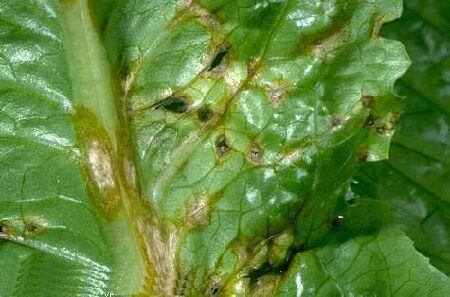
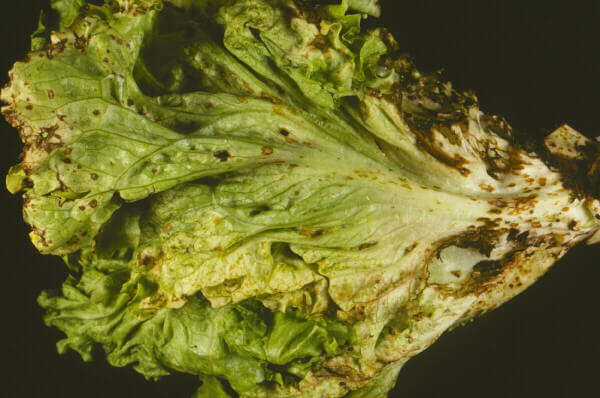
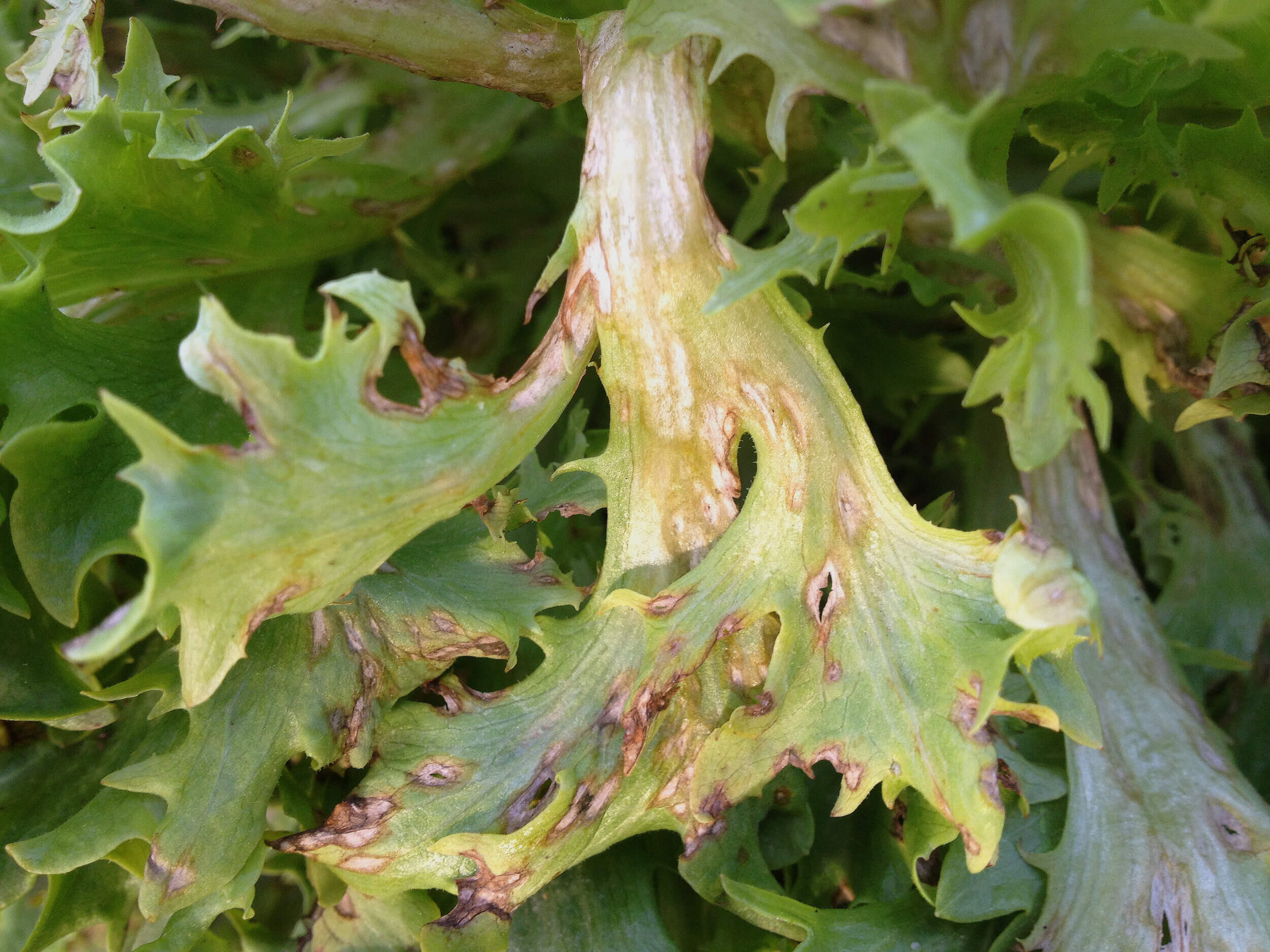
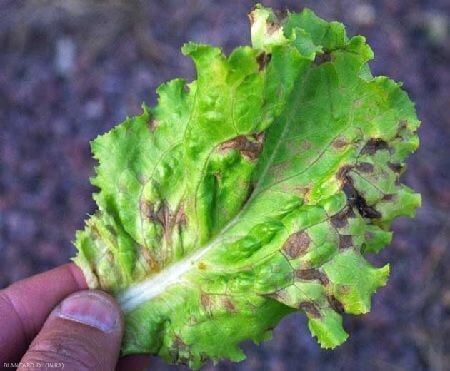
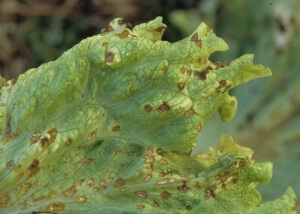
Anthracnose caused by Microdochium panattoniana in lettuce is characterized by the appearance of black Taches and sunken lesions on the leaves, which can lead to severe defoliation and reduced yield. Infected plants show visible symptoms that affect both their quality and marketing. The disease begins with small brown Taches that expand and become necrotic areas, eventually causing the death of the affected tissue.
- Black Taches on the leaves
- Sunken injuries
- Necrosis of leaf tissues
- Defoliation
- Reduction in plant growth and vigor
- Death of affected tissues

TEMPERATURE AND HUMIDITY
15-25°C
80-100%

HOW IS IT SPREAD?
Aerial spores, Irrigation water, Infected tools, Plant remains, Infected seeds

HOW TO REMOVE IT?
Home remedies
There are no home treatments
Chemical treatments
• CUPRIC HYDROXIDE 30% (EXPR. IN CU) [WG] P/P
• CUPRIC HYDROXIDE 35% (EXPR. IN CU) [WG] P/P
• CUPRIC HYDROXIDE 50% (EXPR. IN CU) [WP] P/P
• COPPER OXYCHLORIDE 35% (exp. in Cu) [WG] P/P
• COPPER OXYCHLORIDE 35% (EXPR. IN CU) [WG] P/P
• COPPER OXYCHLORIDE 38% (EXPR. IN CU) [SC] P/V
• COPPER OXYCHLORIDE 50% (EXPR. IN CU) [WG] P/P
• COPPER OXYCHLORIDE 50% (EXPR. IN CU) [WP] P/P
• COPPER OXYCHLORIDE 52% (EXPR. IN CU) [SC] P/V
• COPPER OXYCHLORIDE 70% (EXPR. IN CU) [SC] P/V
• CUPROCALCIC SULFATE 20% (EXPR. IN CU) [WP] P/P
• CUPROCALCIC SULFATE 20% (EXPR. IN CU) [WG] P/P
• CUPROCALCIC SULFATE 20% [WP] P/P
• TRIBASIC COPPER SULFATE 19% (EXPR. IN CU) [SC] P/V
Authorized treatments in organic farming
• CUPRIC HYDROXIDE 30% (EXPR. IN CU) [WG] P/P
• CUPRIC HYDROXIDE 35% (EXPR. IN CU) [WG] P/P
• CUPRIC HYDROXIDE 50% (EXPR. IN CU) [WP] P/P
• COPPER OXYCHLORIDE 35% (exp. in Cu) [WG] P/P
• COPPER OXYCHLORIDE 35% (EXPR. IN CU) [WG] P/P
• COPPER OXYCHLORIDE 38% (EXPR. IN CU) [SC] P/V
• COPPER OXYCHLORIDE 50% (EXPR. IN CU) [WG] P/P
• COPPER OXYCHLORIDE 50% (EXPR. IN CU) [WP] P/P
• COPPER OXYCHLORIDE 52% (EXPR. IN CU) [SC] P/V
• COPPER OXYCHLORIDE 70% (EXPR. IN CU) [SC] P/V
• CUPROCALCIC SULFATE 20% (EXPR. IN CU) [WP] P/P
• CUPROCALCIC SULFATE 20% (EXPR. IN CU) [WG] P/P
• CUPROCALCIC SULFATE 20% [WP] P/P
• TRIBASIC COPPER SULFATE 19% (EXPR. IN CU) [SC] P/V
Insect allies
PREDATORY MITES
LADYBUGS
LACEWINGS
PARASITIC WASPS
HOVERFLIES OR PARASITIC FLIES
PREDATORY BUGS
There are no natural allies
Mycodiplosis oidii (predatory mosquito)
EFFECTIVE PRODUCTS TO ELIMINATE THIS DISEASE
Sponsored link

Sponsored link


Sponsored link
Sponsored link
Sponsored link


Sponsored link
Sponsored link
Effective against all types of fungi

Sponsored link


Sponsored link
Sponsored link

Sponsored link


Sponsored link
- Use certified and pathogen-free seeds.
- Implement crop rotation to reduce the accumulation of inoculum in the soil.
- Apply broad-spectrum preventive fungicides according to recommendations.
- Maintain good hygiene in the crop, eliminating and destroying infected plant residues.
- Disinfect tools and equipment regularly to prevent the spread of the fungus.
- Improve soil drainage to avoid excess moisture.
- Promote adequate ventilation of the crop to reduce relative humidity.
- Avoid sprinkler irrigation at night to prevent moisture remaining on the leaves.
- Regularly monitor plants to detect the presence of the disease early and take timely control measures.
Recommendations

Enjoy idMicrobe TOTALLY FREE, with no trial periods.


