

Antracnosis
Anthracnose
Colletotrichum Sp.
Pathogen:
Fungus
Type:
Risk to the plant:
HIGH
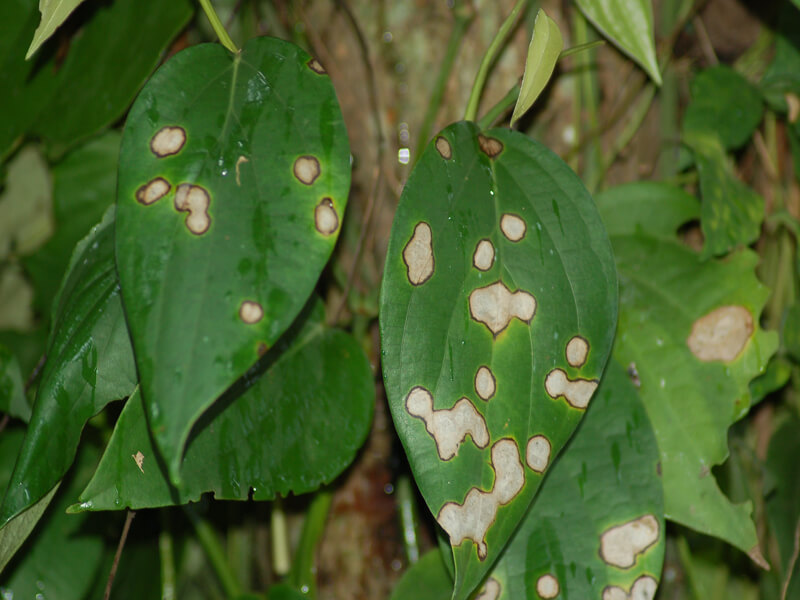
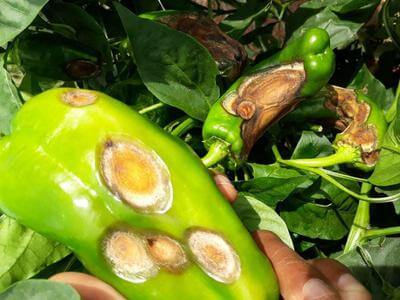

DESCRIPTION
WHO CAUSES IT?
Colletotrichum sp. It is a genus of phytopathogenic fungi responsible for the disease known as anthracnose. This pathogen is characterized by its ability to produce asexual spores called conidia, which are dispersed by wind, water and physical contact. Conidia germinate in the presence of free water and penetrate plant tissue through wounds or directly through the cuticle of leaves, stems and fruits. Once inside the host, the fungus forms specialized structures called appressoria, which facilitate tissue invasion and obtaining nutrients. Colletotrichum sp. It can survive in the remains of infected plants and in the soil for long periods, persisting as mycelium or sclerotia. Favorable environmental conditions, such as high humidity and warm temperatures, promote sporulation and dispersal of the fungus, facilitating new infections. During periods of inactivity, the pathogen remains dormant until conditions are again conducive to its development and spread.
SYMPTOMS
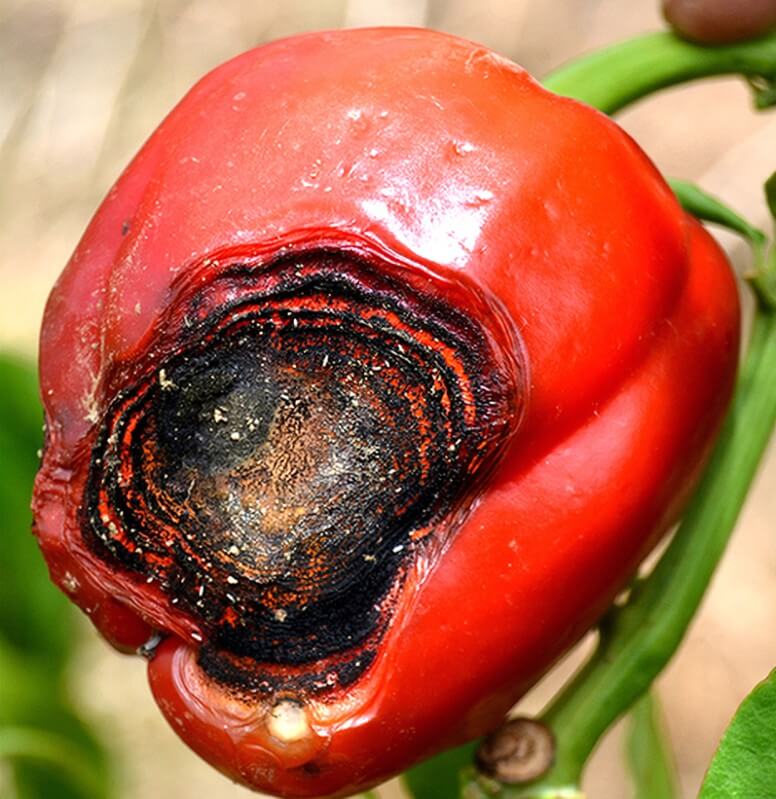
In pepper, anthracnose caused by Colletotrichum sp. It manifests itself with several visible symptoms on leaves, stems and fruits. The disease typically begins in the most tender tissues and progressively affects the entire plant, significantly reducing crop quality and yield. - Small, watery Taches on leaves, stems and fruits
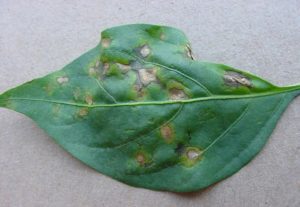
- Circular lesions that expand and become dark in color
- Premature fall of affected leaves
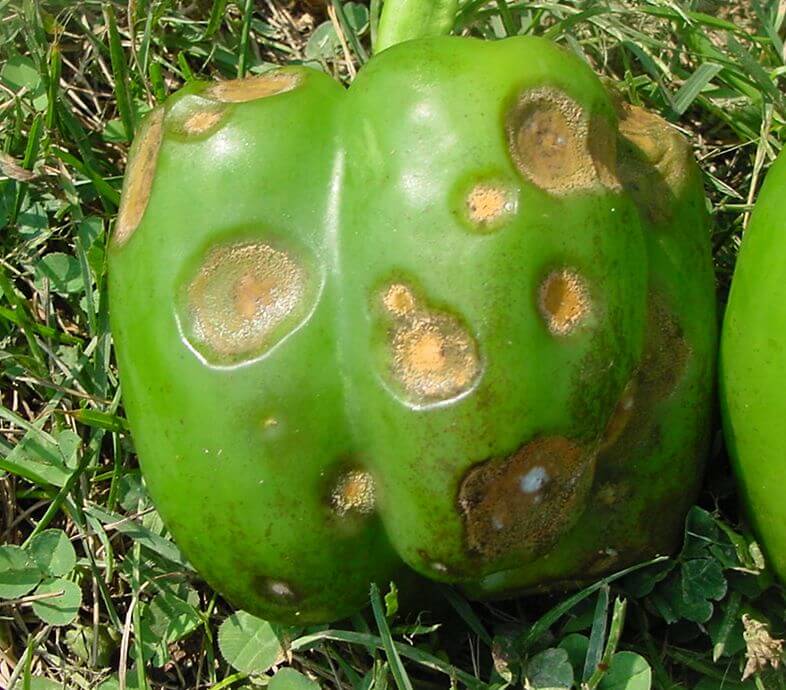
- Sunken and black Taches on the fruits
- Rotten fruits with a dark, moldy appearance
- Necrosis and death of affected tissues
- Deformations in the fruits, reducing their commercial value

TEMPERATURE AND HUMIDITY
25°C - 30°C
80% - 90%

HOW IS IT SPREAD?
Spores carried by wind, Irrigation water, Rain, Contaminated tools, Direct contact between plants, Remains of infected plants

HOW TO REMOVE IT?
Home remedies
There are no home treatments
Chemical treatments
• AZOXISTROBIN 25% [SC] P/V
• CIPRODINIL 37.5% + FLUDIOXONIL 25% [WG] P/P
• DIFENOCONAZOLE 25% [EC] P/V
• FLUDIOXONIL 50% [WG] P/P
• FLUOPYRAM 25% + TRIFLOXISTROBIN 25% [SC] P/V
• CUPRIC HYDROXIDE 13.6% (EXPR. IN CU) + COPPER OXYCHLORIDE 13.6% (EXPR. IN CU) [SC] P/V
• CUPRIC HYDROXIDE 50% (EXPR. IN CU) [WP] P/P
• LAMINARIN 4.5% [SL] P/S
• COPPER OXYCHLORIDE 35% (exp. in Cu) [WG] P/P
• COPPER OXYCHLORIDE 35% (EXPR. IN CU) [WG] P/P
• COPPER OXYCHLORIDE 37.5% (EXPR. IN CU) [WG] P/P
• COPPER OXYCHLORIDE 38% (EXPR. IN CU) [SC] P/V
• COPPER OXYCHLORIDE 50% (EXPR. IN CU) [WP] P/P
• COPPER OXYCHLORIDE 52% (EXPR. IN CU) [SC] P/V
• PIRACLOSTROBIN 6.7% + BOSCALIDE 26.7% (I) [WG] P/P
• CUPROCALCIC SULFATE 20% (EXPR. IN CU) [WG] P/P
• CUPROCALCIC SULFATE 20% (EXPR. IN CU) [WP] P/P
• CUPROCALCIC SULFATE 20% (EXPR. IN CU) [WG] P/P
Authorized treatments in organic farming
• CUPRIC HYDROXIDE 13.6% (EXPR. IN CU) + COPPER OXYCHLORIDE 13.6% (EXPR. IN CU) [SC] P/V
• CUPRIC HYDROXIDE 50% (EXPR. IN CU) [WP] P/P
• LAMINARIN 4.5% [SL] P/S
• COPPER OXYCHLORIDE 35% (exp. in Cu) [WG] P/P
• COPPER OXYCHLORIDE 35% (EXPR. IN CU) [WG] P/P
• COPPER OXYCHLORIDE 37.5% (EXPR. IN CU) [WG] P/P
• COPPER OXYCHLORIDE 38% (EXPR. IN CU) [SC] P/V
• COPPER OXYCHLORIDE 50% (EXPR. IN CU) [WP] P/P
• COPPER OXYCHLORIDE 52% (EXPR. IN CU) [SC] P/V
• CUPROCALCIC SULFATE 20% (EXPR. IN CU) [WG] P/P
• CUPROCALCIC SULFATE 20% (EXPR. IN CU) [WP] P/P
• CUPROCALCIC SULFATE 20% (EXPR. IN CU) [WG] P/P
Insect allies
PREDATORY MITES
LADYBUGS
LACEWINGS
PARASITIC WASPS
HOVERFLIES OR PARASITIC FLIES
PREDATORY BUGS
There are no natural allies
Mycodiplosis oidii (predatory mosquito)
EFFECTIVE PRODUCTS TO ELIMINATE THIS DISEASE
Sponsored link

Sponsored link


Sponsored link
Sponsored link
Sponsored link


Sponsored link
Sponsored link
Effective against all types of fungi

Sponsored link


Sponsored link
Sponsored link

Sponsored link


Sponsored link
- Use certified and pathogen-free seeds to avoid the introduction of Colletotrichum sp.
- Implement crop rotations with non-susceptible species to reduce the presence of the fungus in the soil.
- Avoid sprinkler irrigation and opt for drip irrigation systems to minimize humidity on the foliage.
- Remove and destroy infected plant remains and fallen fruits to reduce inoculum sources.
- Disinfect work tools and equipment before using them on healthy plants.
- Apply preventive and curative fungicides, especially in favorable conditions for the disease.
- Regularly monitor crops for early detection of symptoms and apply timely treatments.
- Use physical barriers such as plastic covers to reduce the spread of spores through irrigation water.
- Promote the use of anthracnose-resistant pepper varieties if available.
- Implement integrated management practices that include cultural, biological and chemical controls.
Recommendations

Enjoy idMicrobe TOTALLY FREE, with no trial periods.


