

Antracnosis
Anthracnose
Colletotrichum Sp.
Pathogen:
Fungus
Type:
Risk to the plant:
HIGH

DESCRIPTION
WHO CAUSES IT?
Colletotrichum sp. is a genus of phytopathogenic fungi known to cause anthracnose in various plants, including tomatoes. These fungi develop primarily from asexual spores known as conidia, which are spread by wind, rainwater, and irrigation. Conidia germinate in conditions of high humidity, forming a germ tube that penetrates the plant tissues through wounds or natural openings. Once inside, the fungus forms a mycelium that spreads through the tissues, causing necrosis and producing acervuli, structures that emerge on the surface of the plant and release new conidia. These acervuli allow the fungus to spread to new areas of the plant and to other nearby plants. Colletotrichum can survive on infected plant remains and in the soil, waiting for favorable conditions to restart the infectious process.
SYMPTOMS
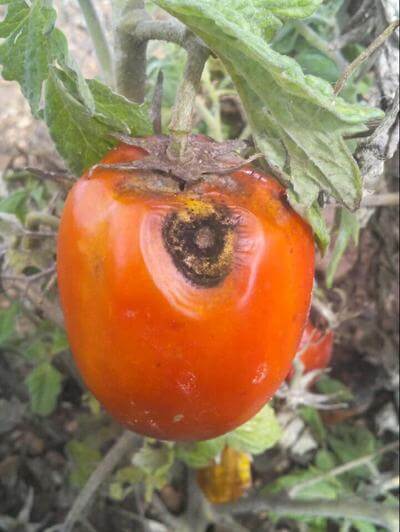
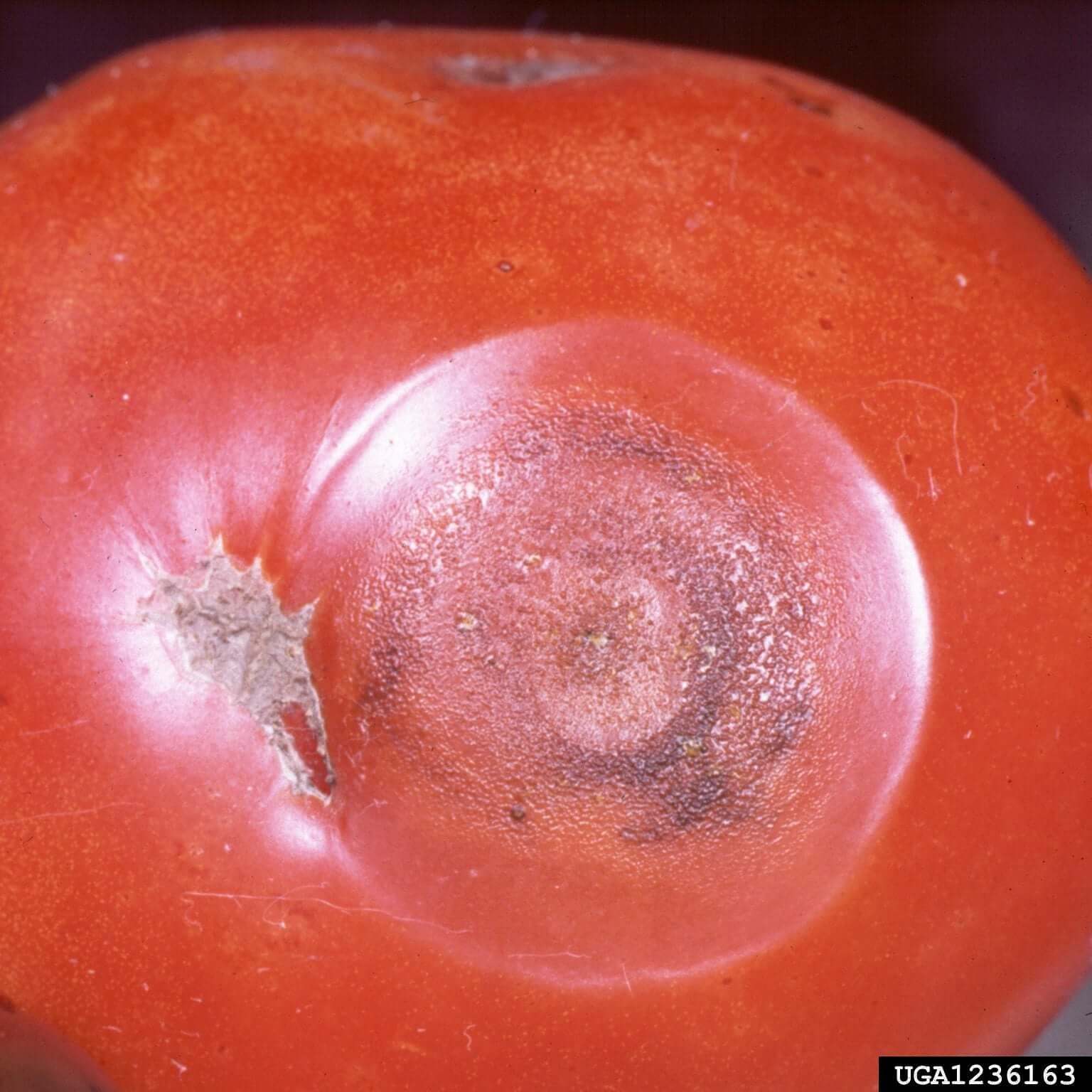
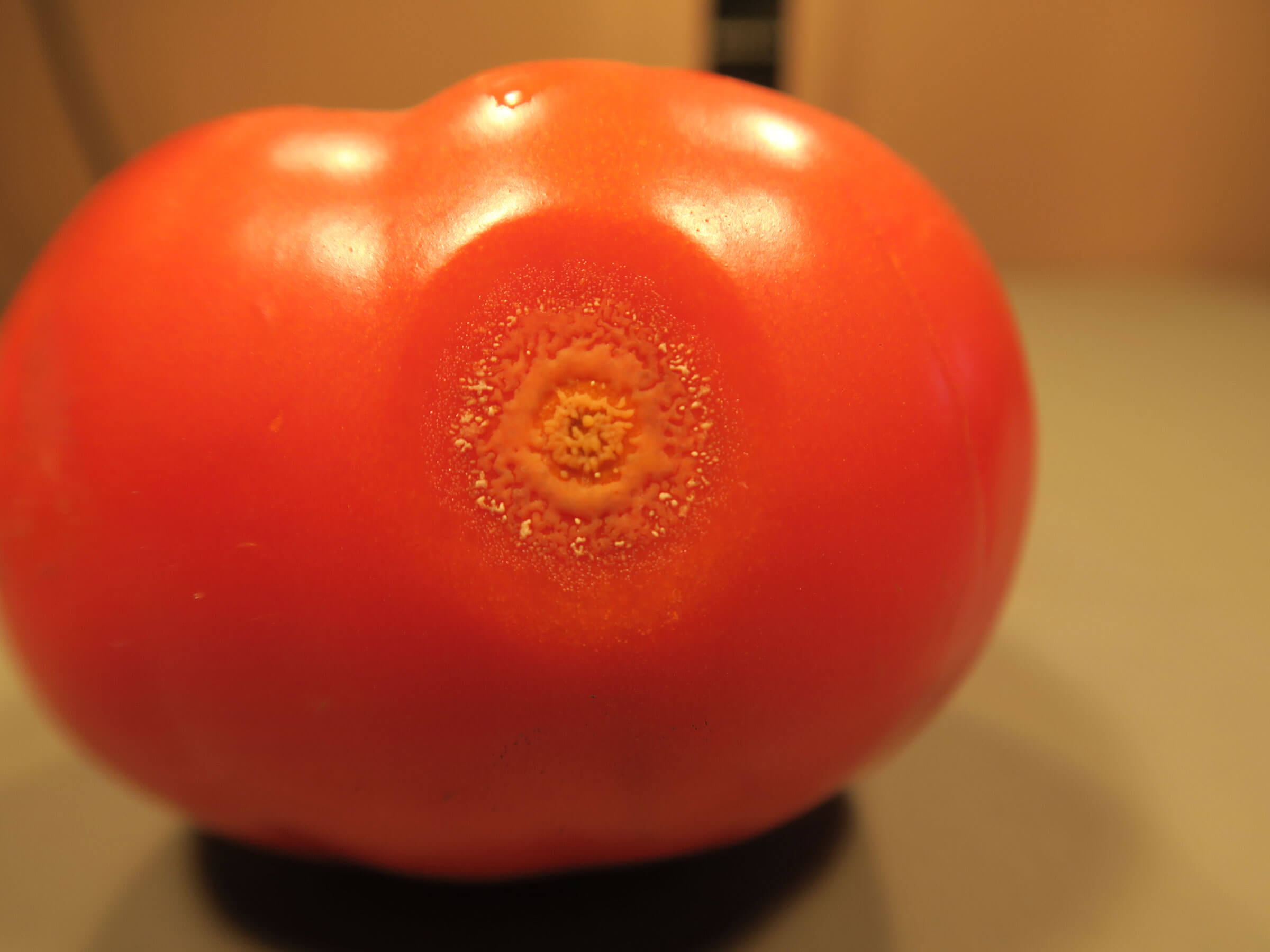
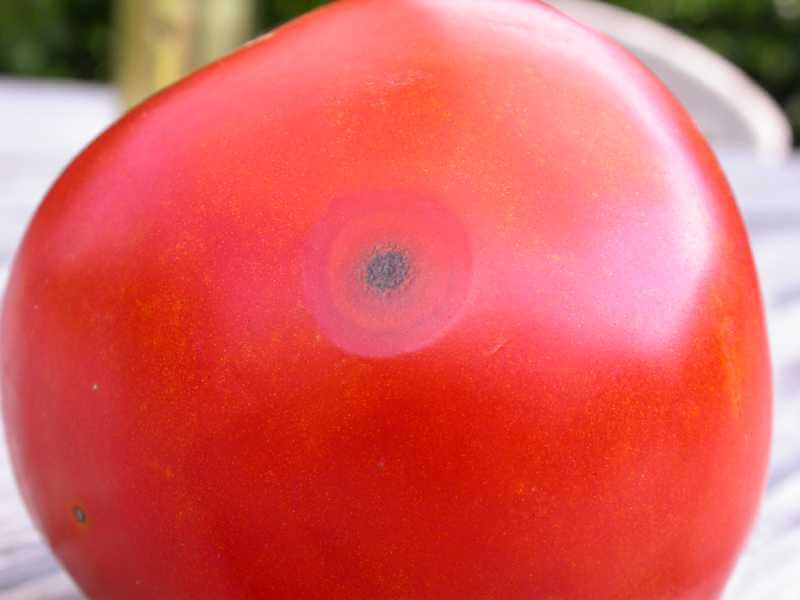
Anthracnose caused by Colletotrichum sp. In tomatoes, it mainly manifests itself in the fruits, although it can also affect the leaves and stems. The disease is characterized by the appearance of sunken black or brown Taches on the surface of the fruits, which can eventually cover large areas and cause rot. The leaves may show small, dark Taches, which expand and may fuse, leading to tissue necrosis.
- Sunken black or brown Taches on the fruits
- Rotting of affected fruits
- Small, dark Taches on the leaves
- Expansion and fusion of leaf Taches
- Leaf tissue necrosis
- Dark, elongated lesions on the stems
- Defoliation and weakening of the plant


TEMPERATURE AND HUMIDITY
20-30°C
80-100%

HOW IS IT SPREAD?
Wind, rainwater, overhead irrigation, contaminated tools, direct contact with infected plants, infected crop residues, infested soil

HOW TO REMOVE IT?
Home remedies
There are no home treatments
Chemical treatments
• ORANGE OIL 60g/L [ME] P/S
• AZOXISTROBIN 25% [SC] P/V
• CAPTAIN 80% [WG] P/P
• CIPRODINIL 37.5% + FLUDIOXONIL 25% [WG] P/P
• DIFENOCONAZOLE 25% [EC] P/V
• CUPRIC HYDROXIDE 13.6% (EXPR. IN CU) + COPPER OXYCHLORIDE 13.6% (EXPR. IN CU) [SC] P/V
• CUPRIC HYDROXIDE 25% (EXPR. IN CU) [WG] P/P
• CUPRIC HYDROXIDE 36% (EXPR. IN CU) [SC] P/V
• CUPRIC HYDROXIDE 50% (EXPR. IN CU) [WG] P/P
• COPPER OXYCHLORIDE 25% (EXPR. IN CU) [WG] P/P
• COPPER OXYCHLORIDE 30% (EXPR. IN CU) [WP] P/P
• COPPER OXYCHLORIDE 35% (exp. in Cu) [WG] P/P
• COPPER OXYCHLORIDE 35% (EXPR. IN CU) [WG] P/P
• COPPER OXYCHLORIDE 37.5% (EXPR. IN CU) [WG] P/P
• COPPER OXYCHLORIDE 38% (EXPR. IN CU) [SC] P/V
• COPPER OXYCHLORIDE 50% (EXPR. IN CU) [WG] P/P
• COPPER OXYCHLORIDE 50% (EXPR. IN CU) [WP] P/P
• COPPER OXYCHLORIDE 52% (EXPR. IN CU) [SC] P/V
• COPPER OXYCHLORIDE 70% (EXPR. IN CU) [SC] P/V
• CUPROUS OXIDE 50% (EXPR. IN CU) [WP] P/P
• PIRACLOSTROBIN 6.7% + BOSCALIDE 26.7% ( ) [WG] P/P
• CUPROCALCIC SULFATE 12.4% (EXPR. IN CU) [SC] P/V
• CUPROCALCIC SULFATE 20% (EXPR. IN CU) [WG] P/P
• CUPROCALCIC SULFATE 20% (EXPR. IN CU) [WP] P/P
• CUPROCALCIC SULFATE 20% (EXPR. IN CU) [WG] P/P
• CUPROCALCIC SULFATE 20% [WP] P/P
• TRIBASIC COPPER SULFATE 19% (EXPR. IN CU) [SC] P/V
• TRIBASIC COPPER SULFATE 40% (EXPR. IN CU) [WG] P/P
Authorized treatments in organic farming
• ORANGE OIL 60g/L [ME] P/S
• CUPRIC HYDROXIDE 13.6% (EXPR. IN CU) + COPPER OXYCHLORIDE 13.6% (EXPR. IN CU) [SC] P/V
• CUPRIC HYDROXIDE 25% (EXPR. IN CU) [WG] P/P
• CUPRIC HYDROXIDE 36% (EXPR. IN CU) [SC] P/V
• CUPRIC HYDROXIDE 50% (EXPR. IN CU) [WG] P/P
• COPPER OXYCHLORIDE 25% (EXPR. IN CU) [WG] P/P
• COPPER OXYCHLORIDE 30% (EXPR. IN CU) [WP] P/P
• COPPER OXYCHLORIDE 35% (exp. in Cu) [WG] P/P
• COPPER OXYCHLORIDE 35% (EXPR. IN CU) [WG] P/P
• COPPER OXYCHLORIDE 37.5% (EXPR. IN CU) [WG] P/P
• COPPER OXYCHLORIDE 38% (EXPR. IN CU) [SC] P/V
• COPPER OXYCHLORIDE 50% (EXPR. IN CU) [WG] P/P
• COPPER OXYCHLORIDE 50% (EXPR. IN CU) [WP] P/P
• COPPER OXYCHLORIDE 52% (EXPR. IN CU) [SC] P/V
• COPPER OXYCHLORIDE 70% (EXPR. IN CU) [SC] P/V
• CUPROUS OXIDE 50% (EXPR. IN CU) [WP] P/P
• CUPROCALCIC SULFATE 12.4% (EXPR. IN CU) [SC] P/V
• CUPROCALCIC SULFATE 20% (EXPR. IN CU) [WG] P/P
• CUPROCALCIC SULFATE 20% (EXPR. IN CU) [WP] P/P
• CUPROCALCIC SULFATE 20% (EXPR. IN CU) [WG] P/P
• CUPROCALCIC SULFATE 20% [WP] P/P
• TRIBASIC COPPER SULFATE 19% (EXPR. IN CU) [SC] P/V
• TRIBASIC COPPER SULFATE 40% (EXPR. IN CU) [WG] P/P
Insect allies
PREDATORY MITES
LADYBUGS
LACEWINGS
PARASITIC WASPS
HOVERFLIES OR PARASITIC FLIES
PREDATORY BUGS
There are no natural allies
Mycodiplosis oidii (predatory mosquito)
EFFECTIVE PRODUCTS TO ELIMINATE THIS DISEASE
Sponsored link
Sponsored link


Sponsored link
Sponsored link
Sponsored link


Sponsored link
Sponsored link
Effective against all types of fungi

Sponsored link


Sponsored link
Sponsored link

Sponsored link


Sponsored link
- Use tomato varieties resistant to Colletotrichum sp.
- Practice proper crop rotation, avoiding continuous planting of tomatoes in the same place.
- Remove and destroy infected plant remains after harvest to reduce the source of inoculum.
- Implement drip irrigation instead of sprinkler irrigation to minimize humidity on the leaves and fruits.
- Ensure good ventilation and spacing between plants to reduce ambient humidity.
- Apply specific fungicides preventively, following the dosage and frequency recommendations.
- Regularly inspect the crop to detect the first symptoms of the disease and take immediate measures.
- Carry out sanitary pruning to eliminate infected parts of the plant.
- Avoid handling wet plants to reduce the spread of the fungus.
- Use monitoring traps to identify the presence of the pathogen in the field.
Recommendations

Enjoy idMicrobe TOTALLY FREE, with no trial periods.


