

Podredumbre gris
Gray Rot
Botrytis Cinerea
Pathogen:
Fungus
Type:
Risk to the plant:
CRITICAL

DESCRIPTION
WHO CAUSES IT?
Botrytis cinerea is a fungal pathogen that affects a wide range of plants, including blackberries. This fungus is saprophytic and necrotrophic, which means that it can live on both dead organic matter and living tissues. It reproduces asexually through conidia, which are spores that are dispersed by wind, water, and contact with contaminated surfaces. Under favorable humidity and temperature conditions, conidia germinate and produce hyphae that invade plant tissues. In addition to asexual reproduction, Botrytis cinerea can also form sclerotia, resistance structures that allow the fungus to survive in adverse conditions. These sclerotia can remain viable in soil or plant debris for long periods, facilitating resumption of infection when conditions improve. The development and spread of Botrytis cinerea is favored by humid environments and moderate temperatures, which allows it to cause recurrent and persistent infections.
SYMPTOMS
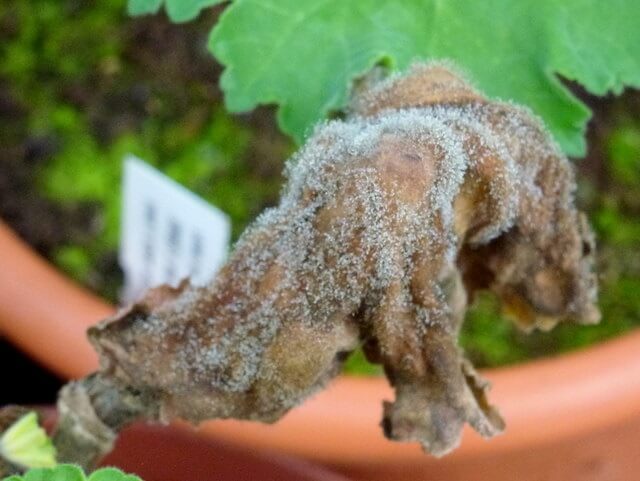
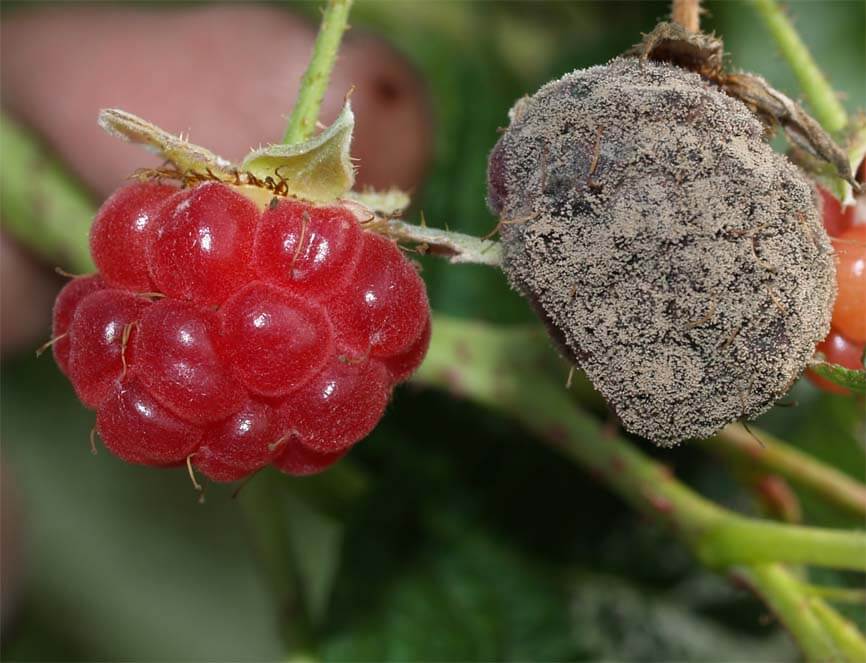
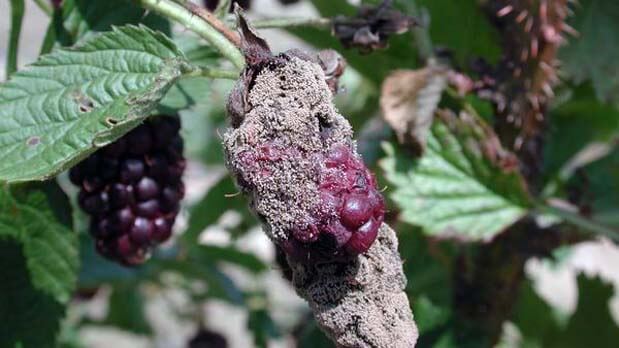
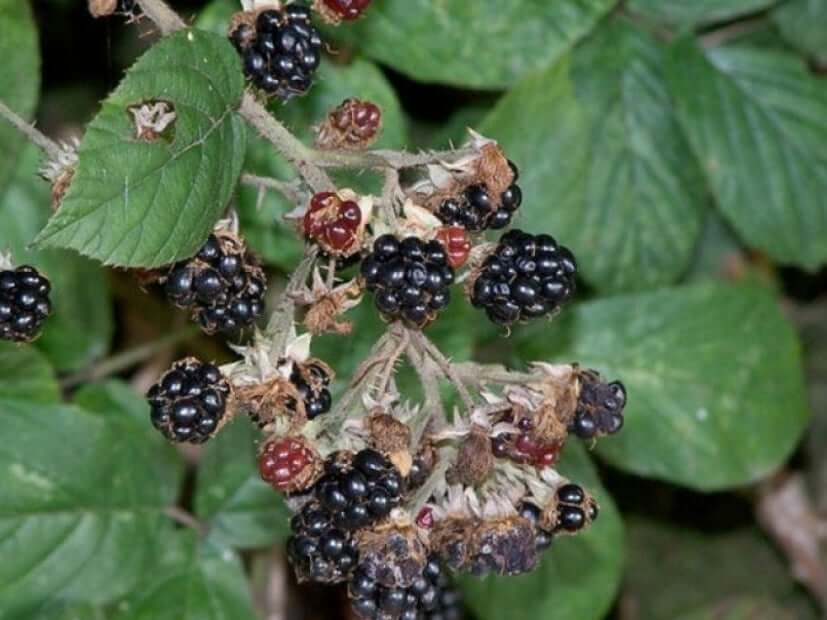
Gray rot caused by Botrytis cinerea is a devastating disease for blackberries, affecting various parts of the plant, including leaves, stems, flowers and fruits. This pathogenic fungus penetrates through wounds or directly through senescent tissues, generally starting in the moistest and shadiest areas of the plant. Infection leads to tissue decomposition, and the fungus produces a characteristic grayish spore mass that gives the disease its name.
- Appearance of brown Taches on leaves and stems.
- Development of a layer of gray mold on the affected fruits.
- Withering and death of flowers and young shoots.
- Soft and rotten fruits with loss of flavor and quality.
- Premature shedding of flowers and fruits.
- Necrosis and collapse of plant tissues.


TEMPERATURE AND HUMIDITY
15°C a 25°C
85% a 95%

HOW IS IT SPREAD?
Wind, Irrigation water, Contaminated tools, Infected plant material, Field personnel

HOW TO REMOVE IT?
Home remedies
There are no home treatments
Chemical treatments
• CIPRODINIL 37.5% + FLUDIOXONIL 25% [WG] P/P
• DIFENOCONAZOLE 25% [EC] P/V
• EUGENOL 3.3% + GERANIOL 6.6% + THYMOL 6.6% [CS] P/V
• PHENHEXAMIDE 50% [WG] P/P
• PHENPIRAZAMINE 50% [WG] P/P
• FLUOPYRAM 25% + TRIFLOXISTROBIN 25% [SC] P/V
• LAMINARIN 4.5% [SL] P/S
• COPPER OXYCHLORIDE 35% (exp. in Cu) [WG] P/P
• PIRACLOSTROBIN 6.7% + BOSCALIDE 26.7% (I) [WG] P/P
Authorized treatments in organic farming
• EUGENOL 3.3% + GERANIOL 6.6% + THYMOL 6.6% [CS] P/V
• LAMINARIN 4.5% [SL] P/S
• COPPER OXYCHLORIDE 35% (exp. in Cu) [WG] P/P
Insect allies
PREDATORY MITES
LADYBUGS
LACEWINGS
PARASITIC WASPS
HOVERFLIES OR PARASITIC FLIES
PREDATORY BUGS
There are no natural allies
Mycodiplosis oidii (predatory mosquito)
EFFECTIVE PRODUCTS TO ELIMINATE THIS DISEASE
Sponsored link
Sponsored link


Sponsored link
Sponsored link
Sponsored link


Sponsored link
Sponsored link
Effective against all types of fungi

Sponsored link


Sponsored link
Sponsored link

Sponsored link


Sponsored link
- Implement pruning practices to improve air circulation and reduce humidity inside the foliage.
- Eliminate and destroy remains of infected plants and fruits to reduce sources of inoculum.
- Avoid sprinkler irrigation and opt for drip irrigation systems to keep the foliage dry.
- Apply preventive and rotating fungicide treatments according to technical recommendations.
- Use blackberry varieties resistant to Botrytis cinerea, if available.
- Ensure good ventilation in the greenhouses or tunnels where blackberries are grown.
- Carry out constant monitoring of crops to detect early symptoms of the disease.
- Avoid excessive nitrogen fertilization, as it can favor the growth of tissues susceptible to infection.
Recommendations

Enjoy idMicrobe TOTALLY FREE, with no trial periods.


