

Polillas
Carpocapsa
Cydia Pomonella
Pathogen:
Insect
Type:
Risk to the plant:
CRITICAL

DESCRIPTION
WHO CAUSES IT?
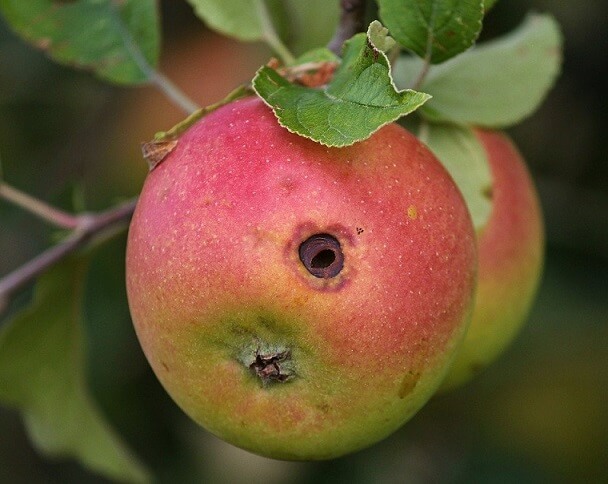
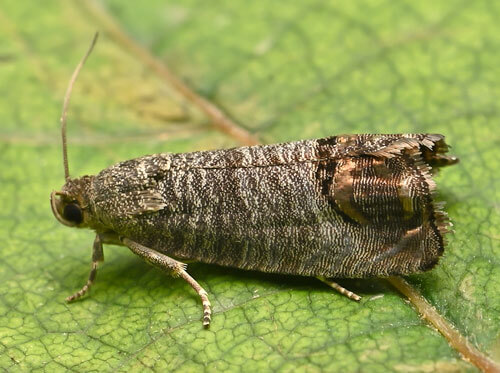
Cydia pomonella, known as the codling moth, is a lepidopteran insect that affects several fruit trees, including the pomegranate. Adults are moths approximately 10 mm long with gray wings and dark markings. Females lay their eggs on or near the surface of fruits. The oval-shaped, creamy-white eggs hatch in approximately 10 days, releasing larvae that immediately pierce the fruits. The larvae go through five larval stages while feeding on the inside of the fruit, especially the seeds. They then abandon the fruit to pupate in the soil or in cracks in the bark. Pupation occurs in a silk cocoon where the larvae overwinter. With the arrival of spring, they emerge as adults and restart the cycle. Depending on climatic conditions, Cydia pomonella can have between one and three generations per year.
SYMPTOMS
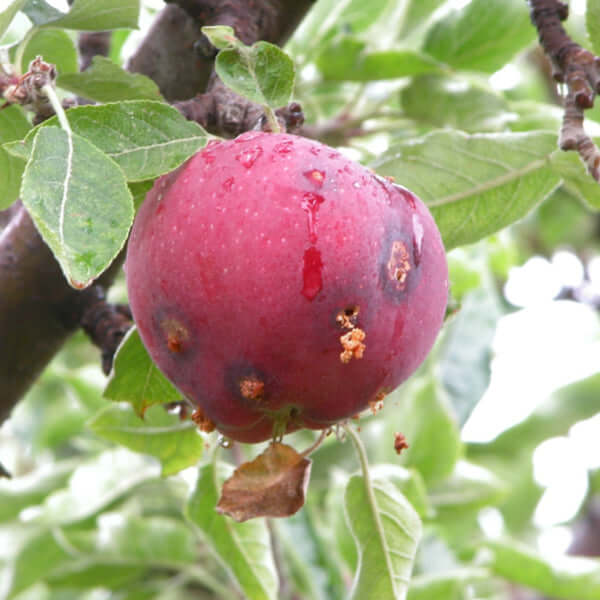
Codling moth produces significant damage to pomegranates, affecting both the quality and quantity of the harvest. The larvae pierce the fruits to feed on the seeds, causing internal damage that affects the integrity and commercial value of the fruit.
- Entry and exit holes in the fruits.
- Presence of excrement and sawdust at the entry point.
- Premature fall of infested fruits.
- Internal damage to the fruits, with tunnels that lead to the seeds.
- Decomposition and rotting of affected fruits.
- Loss of commercial quality of the fruit.
- Significant reduction in total production.


TEMPERATURE AND HUMIDITY
20-30°C
60-80%

HOW IS IT SPREAD?
Wind, movement of infected fruits, contaminated agricultural tools, nursery material, direct contact between plants

HOW TO REMOVE IT?
Home remedies
There are no home treatments
Chemical treatments
• CYDIA POMONELLA ATTRACTANT (Cairomonal attractant)
• CHLORANTRANILIPROL 20% [SC] P/V
• Cydia pomonella (Pheromone)
• LAMBDA CYHALOTHRIN 1.5% [CS] P/V
• LAMBDA CYHALOTHRIN 10% [CS] P/V
Authorized treatments in organic farming
• CYDIA POMONELLA ATTRACTANT (Cairomonal attractant)
• Cydia pomonella (Pheromone)
• LAMBDA CYHALOTHRIN 1.5% [CS] P/V
• LAMBDA CYHALOTHRIN 10% [CS] P/V
Insect allies
PREDATORY MITES
LADYBUGS
LACEWINGS
PARASITIC WASPS
HOVERFLIES OR PARASITIC FLIES
PREDATORY BUGS
There are no natural allies
Mycodiplosis oidii (predatory mosquito)
EFFECTIVE PRODUCTS TO ELIMINATE THIS DISEASE
Sponsored link
Sponsored link


Sponsored link
Sponsored link
Sponsored link


Sponsored link
Sponsored link
Effective against all types of fungi

Sponsored link


Sponsored link
Sponsored link

Sponsored link


Sponsored link
- Regularly monitor crops using pheromone traps to detect the presence of adults.
- Implement biological control techniques using natural enemies such as Trichogramma spp.
- Apply treatments with selective insecticides at critical moments of pest development.
- Carry out sanitation practices, eliminating and destroying fallen and damaged fruits.
- Maintain hygiene in the garden, eliminating plant debris and waste where larvae can take refuge.
- Use protective nets or bags around the fruits to prevent oviposition.
- Promote the use of varieties that are resistant or less susceptible to infestation.
- Carry out a crop rotation to interrupt the life cycle of the pest.
- Apply sexual confusion treatments with pheromones to reduce moth mating.
- Promote a favorable environment for the natural predators of the codling moth through the diversity of plants in the garden.
Recommendations

Enjoy idMicrobe TOTALLY FREE, with no trial periods.


