

Gorgojos
Cleonus
Temnorhinus Mendicus / Conorhynchus Mendicus
Pathogen:
Insect
Type:
Risk to the plant:
HIGH
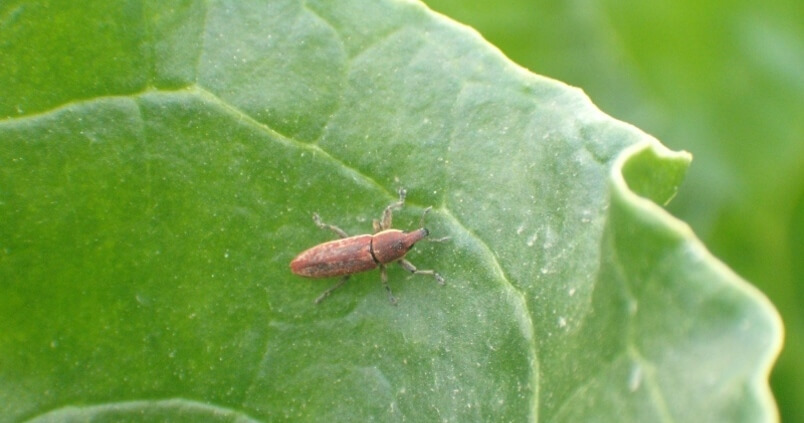
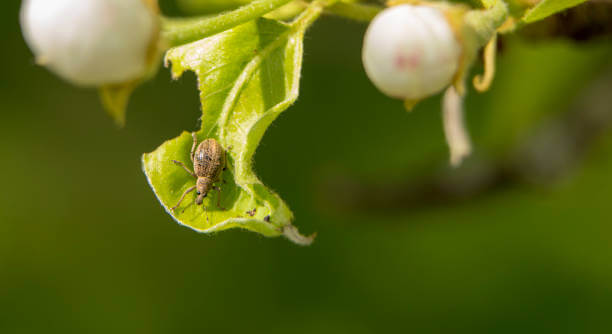

DESCRIPTION
WHO CAUSES IT?
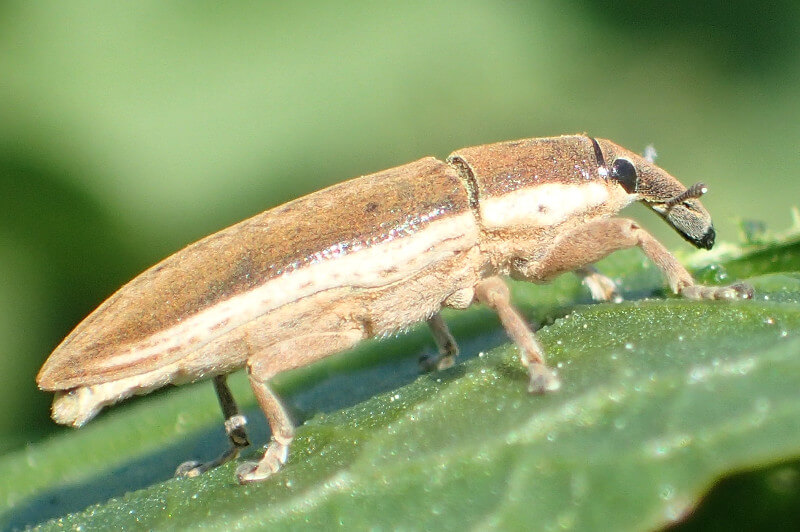
Temnorhinus mendicus and Conorhynchus mendicus are two species of weevils that affect beets. These insects go through several stages of development that include egg, larva, pupa and adult. Females lay their eggs in the soil near beet plants. From these eggs the larvae emerge, which are responsible for the greatest damage, since they feed on the roots of the plant, preventing its proper development. After going through several molts, the larvae become pupae in the soil. Finally, adults emerge from the pupae and can also feed on beet leaves, although the damage is minor compared to that caused by the larvae. The adults reproduce and the cycle begins again. The duration of each phase depends on environmental conditions, mainly temperature and humidity.
SYMPTOMS
Infestation of Temnorhinus mendicus and Conorhynchus mendicus in beet causes a disease known as Cleonus. This disease is characterized by a general deterioration of the plant due to the larvae feeding on the roots. Affected plants show reduced growth and may wilt, especially during periods of water stress. The most visible symptoms include damaged and weakened roots, making it difficult to absorb nutrients and water. Severely affected plants may die.
- Yellowing and wilting of leaves.
- Roots with tunnels and galleries.
- Reduction in plant growth and vigor.
- Death of young plants.
- Presence of adult weevils on the foliage.


TEMPERATURE AND HUMIDITY
20-30 °C
60-80 %

HOW IS IT SPREAD?
Direct contact with plants, migration of adults, movement of contaminated soil

HOW TO REMOVE IT?
Home remedies
There are no home treatments
Chemical treatments
• DELTAMETHRIN 2.5% [EC] P/V
Authorized treatments in organic farming
-
Insect allies
PREDATORY MITES
LADYBUGS
LACEWINGS
PARASITIC WASPS
HOVERFLIES OR PARASITIC FLIES
PREDATORY BUGS
There are no natural allies
Mycodiplosis oidii (predatory mosquito)
EFFECTIVE PRODUCTS TO ELIMINATE THIS DISEASE
Sponsored link
Sponsored link


Sponsored link
Sponsored link
Sponsored link


Sponsored link
Sponsored link
Effective against all types of fungi

Sponsored link


Sponsored link
Sponsored link

Sponsored link


Sponsored link
- Rotate crops with non-host plants to interrupt the weevil life cycle.
- Use resistant or tolerant beet varieties.
- Implement integrated pest management (IPM) practices, which include regular monitoring and use of traps to detect the presence of adult weevils.
- Apply insecticide treatments to the soil before planting and during plant development, following technical recommendations and appropriate doses.
- Keep the field free of weeds that can serve as a refuge for weevils.
- Promote soil biodiversity with the introduction of natural predators of weevils.
Recommendations

Enjoy idMicrobe TOTALLY FREE, with no trial periods.


