

Escarabajos
Scar beetle
Colaspis hypochlora
Pathogen:
Insect
Type:
Risk to the plant:
INTERMEDIATE
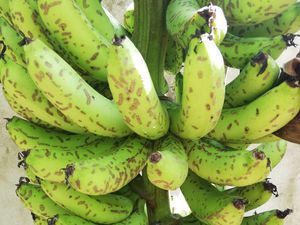
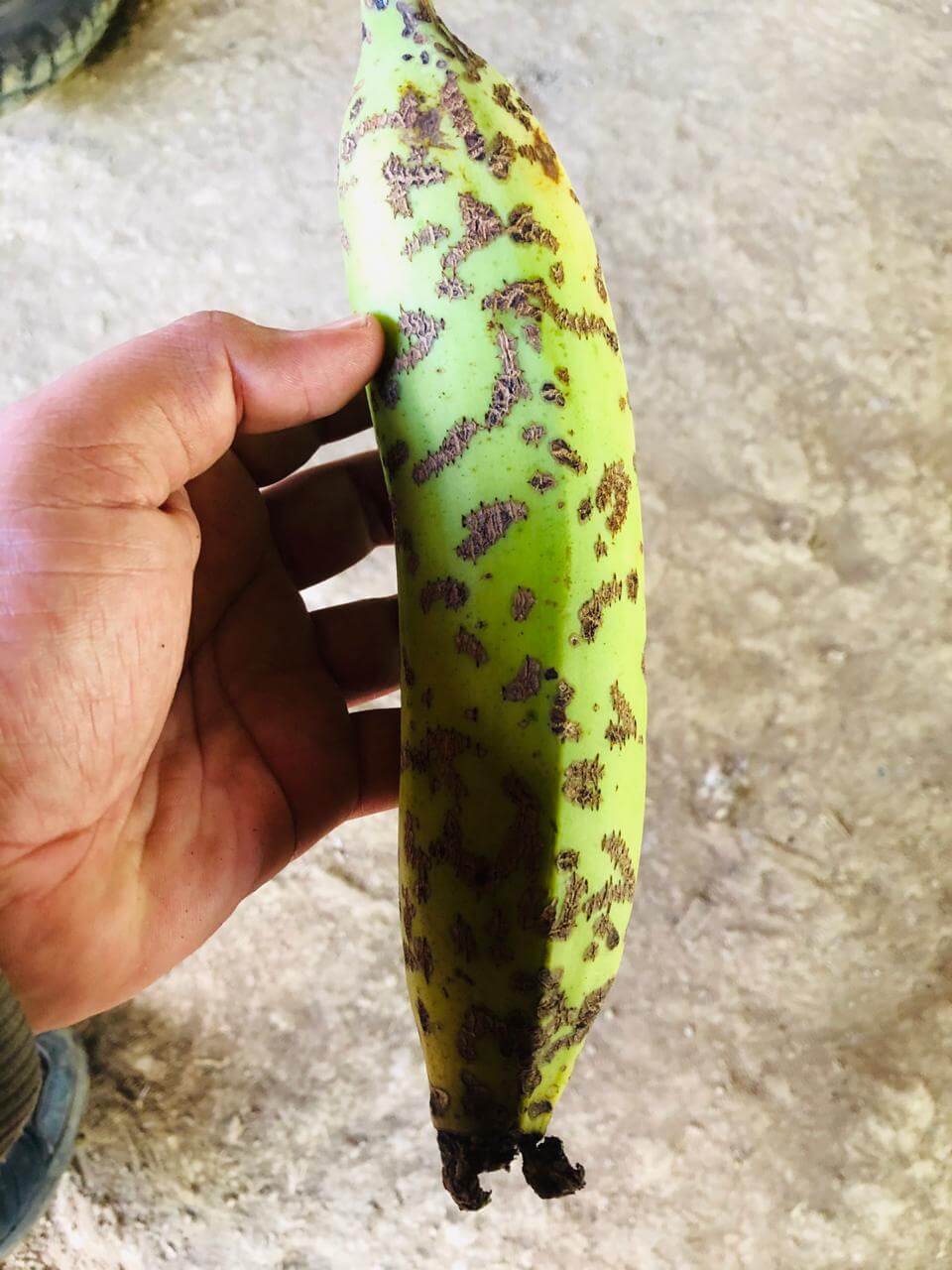

DESCRIPTION
WHO CAUSES IT?
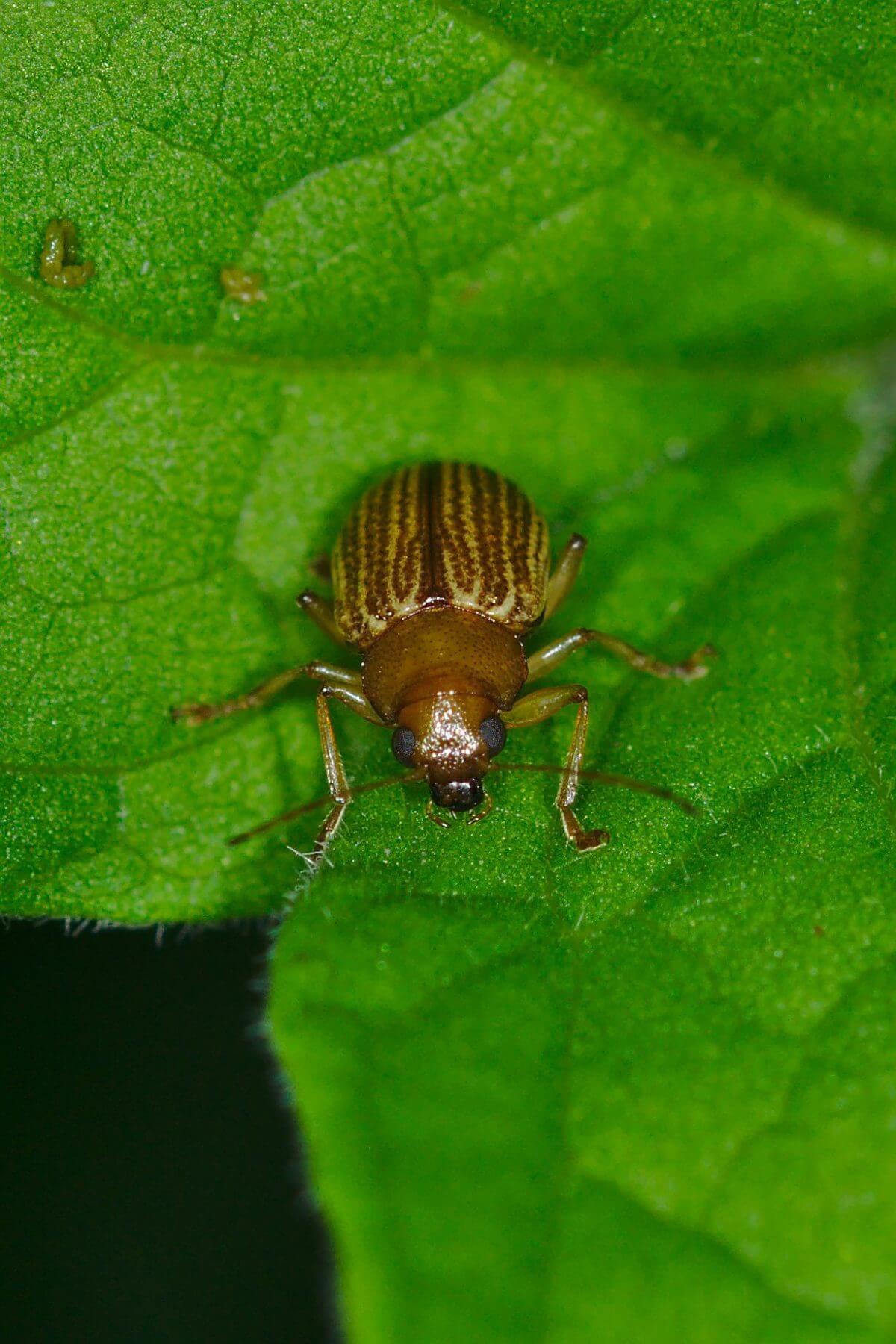
Colaspis hypochlora is a phytophagous beetle that belongs to the Chrysomelidae family, characterized by its small size and metallic green or yellowish color, which allows it to camouflage itself among the foliage. Its development begins when the females deposit their eggs in the soil near the base of the plants. The larvae emerge and feed on the roots, weakening the root system and affecting the absorption of nutrients and water. Over time, the larvae complete their growth in the soil before pupating and emerging as adults. The adult beetles ascend to the aerial part of the plant and begin to feed on the leaves, causing significant damage to the foliage. During the adult stage, the pest reproduces rapidly, which can generate high populations in a short time if conditions are favorable. The presence of warm temperatures and high humidity favors its proliferation, which increases its impact on crops.
SYMPTOMS
In banana trees, Colaspis hypochlora causes the disease known as scarring beetle. This insect affects both the underground and aerial parts of the plant, since its larvae feed on the roots while the adults pierce the leaves. The loss of plant tissue reduces photosynthetic capacity and the weakening of roots affects the stability and development of the crop. In severe infestations, damage to the leaves can cause drying and premature fall, negatively impacting the production and quality of the crop.
- Irregular perforations on the leaves, with the appearance of small scattered holes.
- Discoloration and weakening of foliage due to loss of plant tissue.
- Reduction in growth and less vigor in young plants.
- Damaged roots with visible lesions caused by larvae feeding.
- Progressive wilting and yellowing of foliage in advanced infestations.
- Premature leaf fall in severe cases.
- Reduction in the production and quality of fruits due to the physiological stress of the plant.


TEMPERATURE AND HUMIDITY
23-32°C
65-85%

HOW IS IT SPREAD?
Mobility of adults by flight, passive dispersal through contaminated tools and machinery, soil infested with larvae or pupae, transport of plant material with the presence of eggs

HOW TO REMOVE IT?
Home remedies
There are no home treatments
Chemical treatments
• HUILE D'ORANGE 60g/L [ME] P/S
• PHOSTIAZATE 15% [CE] P/V
• LAMBDA CYHALOTHRINE 10 % [CS] P/V
• SPINOSAD 48 % [SC] P/V
Authorized treatments in organic farming
• HUILE D'ORANGE 60g/L [ME] P/S
• LAMBDA CYHALOTHRINE 10 % [CS] P/V
• SPINOSAD 48 % [SC] P/V
Insect allies
PREDATORY MITES
LADYBUGS
LACEWINGS
PARASITIC WASPS
HOVERFLIES OR PARASITIC FLIES
PREDATORY BUGS
There are no natural allies
Mycodiplosis oidii (predatory mosquito)
EFFECTIVE PRODUCTS TO ELIMINATE THIS DISEASE
Sponsored link
Sponsored link


Sponsored link
Sponsored link
Sponsored link


Sponsored link
Sponsored link
Effective against all types of fungi

Sponsored link


Sponsored link
Sponsored link

Sponsored link


Sponsored link
- Implement crop rotation to avoid the accumulation of the insect in the soil and reduce the larval population.
- Maintain adequate soil cover with mulch or plant material that makes oviposition difficult for females.
- Promote the presence of natural predators such as parasitoid wasps and insectivorous birds to reduce the beetle population.
- Apply light traps in the crop to attract and capture adults before oviposition.
- Use authorized insecticides at strategic times, prioritizing those with low environmental impact and alternating modes of action to avoid resistance.
- Avoid excessive use of nitrogen fertilizers, since they can favor the proliferation of the pest by increasing the attractiveness of the crop.
- Carry out constant monitoring to detect the presence of adults and larvae and take early measures.
- Apply botanical extracts with insecticidal properties, such as neem oil, to reduce beetle activity in an ecological way.
- Manually remove adults in low infestations to reduce foliar damage.
Recommendations

Enjoy idMicrobe TOTALLY FREE, with no trial periods.


