

Micosis/Hongos
Spotted banana
Deightoniella torulosa
Pathogen:
Fungus
Type:
Risk to the plant:
HIGH

DESCRIPTION
WHO CAUSES IT?
Deightoniella torulosa is a phytopathogenic fungus belonging to the Dematiaceae family, known to mainly affect plantain and banana crops. It develops in warm and humid environments, producing dark brown or black conidia, which have elongated and septate shapes. These conidia are easily dispersed by wind and water, facilitating the colonization of new plants. The germination of spores occurs on the surface of plant tissues, favored by the presence of humidity. As it invades the plant, the fungus penetrates through stomata or wounds, developing in the internal tissues and causing necrosis. Under favorable conditions, the disease can progress rapidly, with increased production of spores that perpetuate the infection and facilitate the spread of the pathogen in the crop.
SYMPTOMS
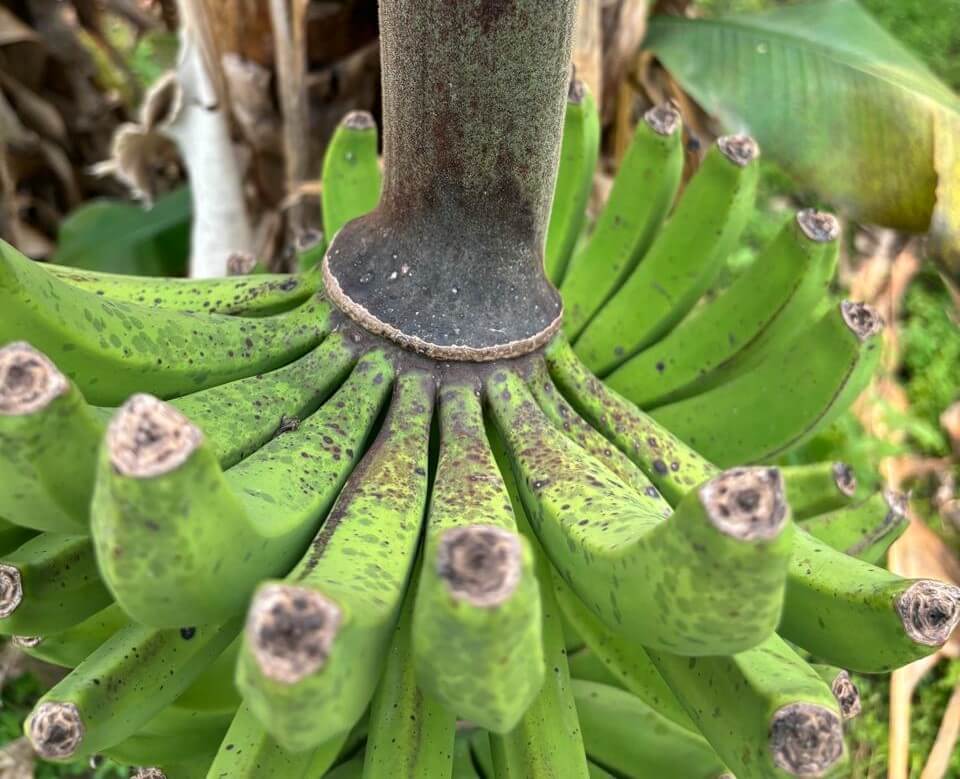
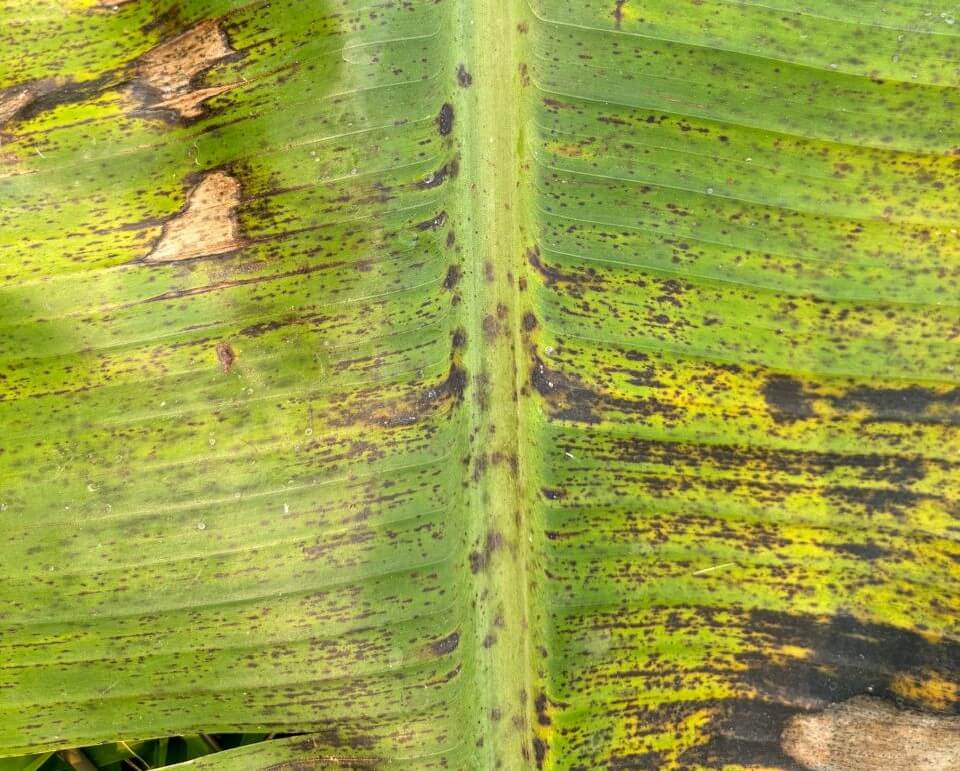
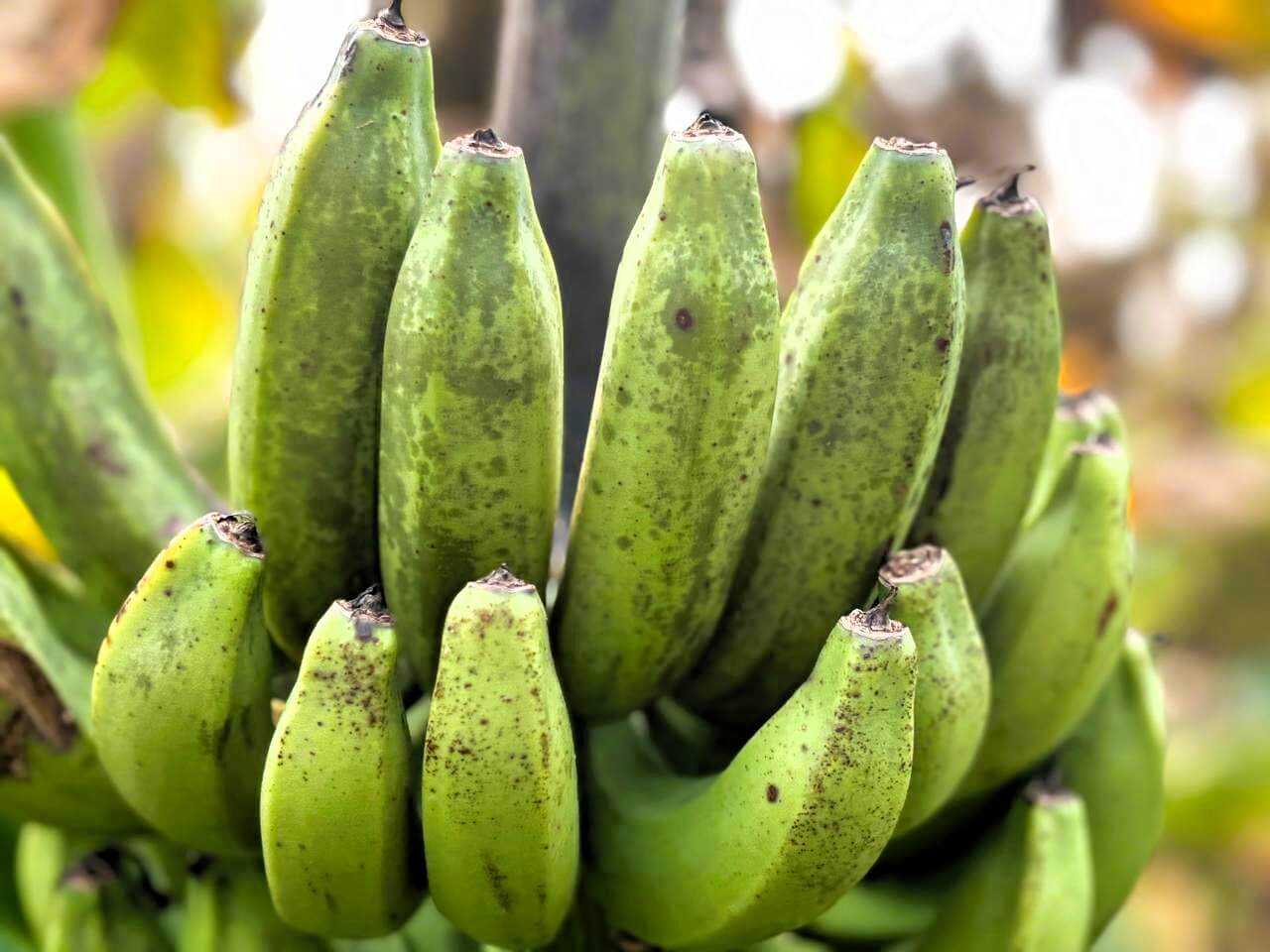
In banana trees, Deightoniella torulosa causes the disease known as banana spot. This fungus mainly affects the leaves and fruits, generating characteristic spots that reduce the photosynthetic capacity of the plant and affect the quality of the harvested product. The fruits may present external lesions that reduce their commercial value, and in serious cases, structural damage can compromise the development of the crop.
- Irregular dark brown or black spots on the leaves.
- Necrotic areas with yellowish edges on the foliage.
- Reduction in the growth of affected leaves.
- Appearance of sunken lesions on the surface of the fruits.
- Development of a rough texture in the affected areas of the fruit.
- Premature leaf fall in severe infestations.
- Reduction in yield and deterioration in fruit quality.


TEMPERATURE AND HUMIDITY
22-30°C
70-90%

HOW IS IT SPREAD?
Spores carried by wind, splashes of rainwater or irrigation, contact with infected plant remains, contaminated tools, insect vectors

HOW TO REMOVE IT?
Home remedies
There are no home treatments
Chemical treatments
• HUILE D'ORANGE 6% [SL] P/V
• AZOXISTROBINE 25 % [SC] P/V
• SOUFRE 80 % [DP] P/P
• SOUFRE 80 % [SC] P/V
• SOUFRE 80 % [WG] P/P
• SOUFRE 80 % [WP] P/P
• SOUFRE 82,5 % [SC] P/V
• OXYCHLORURE DE CUIVRE 37,5% (EXPR. EN CU) [WG] P/P
• OXYCHLORURE DE CUIVRE 38% (EXPR. EN CU) [SC] P/V
Authorized treatments in organic farming
• HUILE D'ORANGE 6% [SL] P/V
• SOUFRE 80 % [DP] P/P
• SOUFRE 80 % [SC] P/V
• SOUFRE 80 % [WG] P/P
• SOUFRE 80 % [WP] P/P
• SOUFRE 82,5 % [SC] P/V
• OXYCHLORURE DE CUIVRE 37,5% (EXPR. EN CU) [WG] P/P
• OXYCHLORURE DE CUIVRE 38% (EXPR. EN CU) [SC] P/V
Insect allies
PREDATORY MITES
LADYBUGS
LACEWINGS
PARASITIC WASPS
HOVERFLIES OR PARASITIC FLIES
PREDATORY BUGS
There are no natural allies
Mycodiplosis oidii (predatory mosquito)
EFFECTIVE PRODUCTS TO ELIMINATE THIS DISEASE
Sponsored link
Sponsored link


Sponsored link
Sponsored link
Sponsored link


Sponsored link
Sponsored link
Effective against all types of fungi

Sponsored link


Sponsored link
Sponsored link

Sponsored link


Sponsored link
- Use varieties resistant or tolerant to the disease to reduce the susceptibility of the crop.
- Implement sanitary pruning to eliminate infected leaves and reduce the fungal load in the plantation.
- Maintain adequate ventilation in the crop through optimal planting density to avoid excessive accumulation of moisture.
- Avoid sprinkler irrigation to reduce the spread of spores through splashing water.
- Apply authorized fungicides in rotation with different modes of action to minimize the risk of resistance.
- Promote the use of biological control agents that compete with the fungus and reduce its spread.
- Disinfect agricultural tools and equipment to avoid mechanical transmission of the pathogen.
- Implement a constant monitoring program to detect the first symptoms and apply control measures in a timely manner.
- Remove and destroy infected plant remains to reduce the source of inoculum in the field.
Recommendations

Enjoy idMicrobe TOTALLY FREE, with no trial periods.


