

Escarabajos
Coleoptera
Aergonius Sp., Asynonychus Sp., Brachysternus Sp., Graphognatus Sp., Sericoides Spp., Melolontha Melolontha, Etc.
Pathogen:
Insect
Type:
Risk to the plant:
HIGH

DESCRIPTION
WHO CAUSES IT?
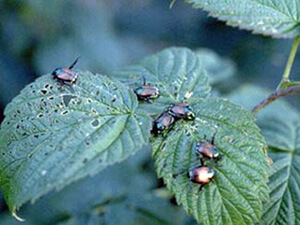
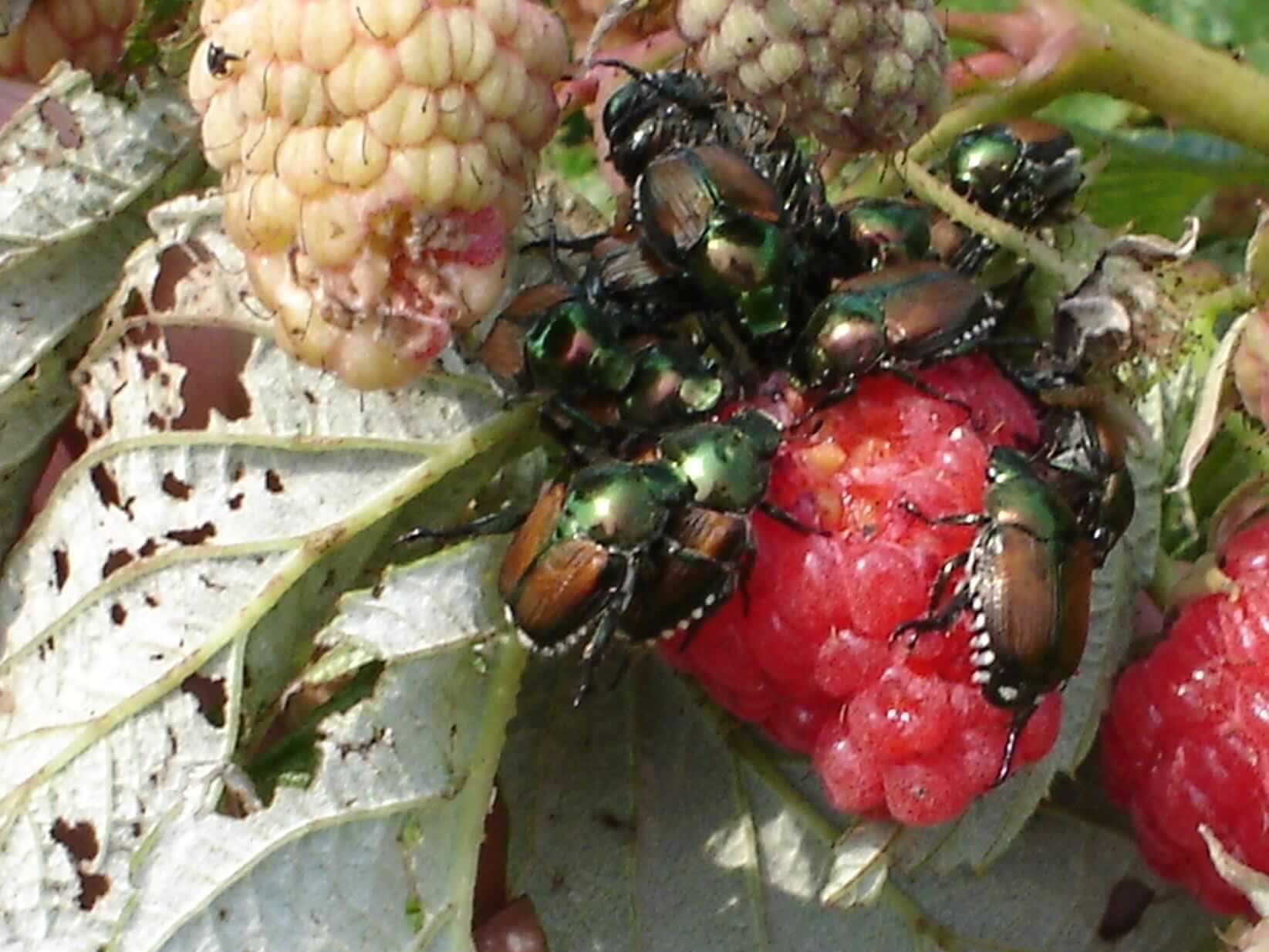
Coleoptera, belonging to various species such as Aergonius sp., Asynonychus sp., Brachysternus sp., Graphognatus sp., Sericoides spp., and Melolontha melolontha, are insects of the order Coleoptera that affect blueberry. These insects go through a complete life cycle that includes the egg, larva, pupa, and adult stages. Females lay their eggs in the soil near blueberry plants. Larvae emerge from these eggs and feed on the roots of the plants, causing significant damage. The larval phase can last several months, depending on environmental conditions. The larvae then pupate in the soil and, after a period of pupation, emerge as adults. Adults feed on leaves and other aerial parts of plants. This process can be repeated several times a year, depending on the species and climatic conditions, allowing the proliferation of these insects in blueberry crops.
SYMPTOMS
Coleoptera infestation in blueberries causes significant damage to both the roots and aerial parts of the plants, affecting their growth and productivity. Symptoms manifest in various ways and can lead to a severe decrease in the quality and quantity of the crop.
- Leaves bitten and with irregular holes.
- Partial or total defoliation of the plant.
- Roots with damage and rot.
- Delayed growth and general weakening of the plant.
- Withering and death of young shoots.
- Reduction in the size and quality of the fruits.
- Presence of adults and larvae in the soil and on the plant.


TEMPERATURE AND HUMIDITY
20-30°C
60-80%

HOW IS IT SPREAD?
Movement of infested soil, contaminated plants and plant material, dispersal of flying adults

HOW TO REMOVE IT?
Home remedies
There are no home treatments
Chemical treatments
• ORANGE OIL 60g/L [ME] P/S
• AZADIRACTIN 1% (AS AZADIRACTIN A) [EC] P/V
• Azadirachtin 2.6% (AS AZADIRACTIN A) [EC] P/V
• SPINOSAD 48% [SC] P/V
Authorized treatments in organic farming
• ORANGE OIL 60g/L [ME] P/S
• AZADIRACTIN 1% (AS AZADIRACTIN A) [EC] P/V
• Azadirachtin 2.6% (AS AZADIRACTIN A) [EC] P/V
• SPINOSAD 48% [SC] P/V
Insect allies
PREDATORY MITES
LADYBUGS
LACEWINGS
PARASITIC WASPS
HOVERFLIES OR PARASITIC FLIES
PREDATORY BUGS
There are no natural allies
Mycodiplosis oidii (predatory mosquito)
EFFECTIVE PRODUCTS TO ELIMINATE THIS DISEASE
Sponsored link
Sponsored link


Sponsored link
Sponsored link
Sponsored link


Sponsored link
Sponsored link
Effective against all types of fungi

Sponsored link


Sponsored link
Sponsored link

Sponsored link


Sponsored link
- Implement crop rotations to interrupt the life cycle of beetles.
- Use physical barriers such as mesh or covers to protect crops from flying adults.
- Apply specific insecticides according to agronomic recommendations to control larval and adult populations.
- Promote the presence of natural enemies such as birds, entomopathogenic nematodes and parasitoids.
- Maintain good soil management practice to reduce the presence of larvae and pupae in it.
- Carry out periodic inspections and constant monitoring of crops to detect and control infestations early.
- Promote plant diversity in the fields to reduce the susceptibility of blueberry crops to pests.
- Implement biological control techniques with entomopathogenic fungi and bacteria that affect beetle larvae.
Recommendations

Enjoy idMicrobe TOTALLY FREE, with no trial periods.


