

Estrés ambiental
Excessive sun
-
Pathogen:
Environmental stress
Type:
Risk to the plant:
CRÍTICO

DESCRIPTION
WHO CAUSES IT?
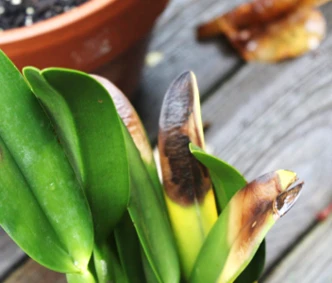
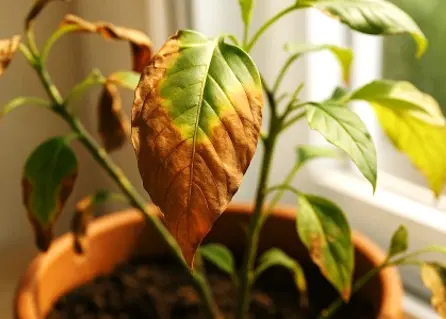
Excessive sunlight causes stress in plants, directly affecting their tissues, especially when exposure is very intense or prolonged. Although light is necessary for photosynthesis, too much solar radiation—particularly during peak hours—can damage leaves, causing dehydration and burns. This problem is common in plants not adapted to direct sunlight, in recently transplanted plants, or when there is a sudden change of location (for example, from indoors to outdoors). It is also exacerbated by high temperatures and low humidity.
SYMPTOMS
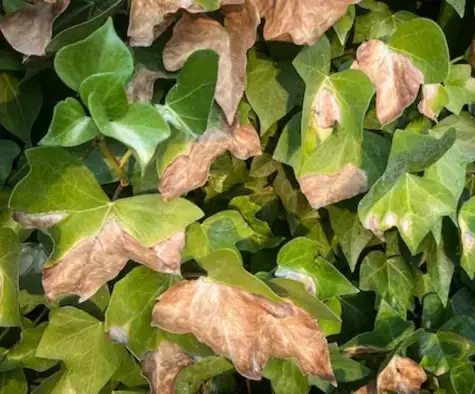
Excessive sunlight usually affects the most exposed parts of the plant first, such as the upper, sun-facing leaves.
Typical symptoms:
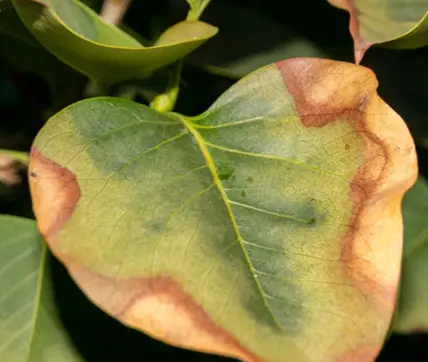
• Dry or whitish spots on the leaves (sunburn).
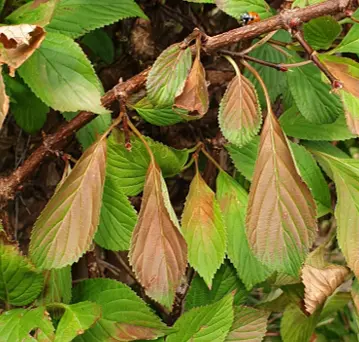
• Dry edges or a "burned" appearance.
• Discolored leaves or leaves with a loss of green intensity.
• Dry or brittle texture.
• Wilting during the hottest hours of the day.
• In severe cases, leaf drop.
This is direct tissue damage, not a disease, and can appear rapidly.
Stages of development:
• Initial: slight discoloration or light spots.
• Intermediate stage: appearance of dry or burned areas.
• Advanced stage: damaged leaves and tissue loss.
• Final stage: leaf drop and general weakening.

TEMPERATURE AND HUMIDITY
-
-

HOW IS IT SPREAD?
-

HOW TO REMOVE IT?
Home remedies
There are no home treatments
Chemical treatments
There are no phytosanitary treatments. Sun exposure should be adjusted and the plant protected from excessive radiation.
Authorized treatments in organic farming
There are no phytosanitary treatments. Sun exposure should be adjusted and the plant protected from excessive radiation.
Insect allies
PREDATORY MITES
LADYBUGS
LACEWINGS
PARASITIC WASPS
HOVERFLIES OR PARASITIC FLIES
PREDATORY BUGS
There are no natural allies
Mycodiplosis oidii (predatory mosquito)
EFFECTIVE PRODUCTS TO ELIMINATE THIS DISEASE
Sponsored link

Sponsored link


Sponsored link
Sponsored link
Sponsored link


Sponsored link
Sponsored link
Effective against all types of fungi

Sponsored link


Sponsored link
Sponsored link

Sponsored link


Sponsored link
To prevent damage from excessive sun, it's crucial to adjust the plant's exposure to its needs.
• Avoid direct sunlight during peak hours (midday and early afternoon).
• Gradually acclimate the plant if moving from shade to sun.
• Use shade or place it in areas with filtered light.
• Increase watering frequency during hot weather (without waterlogging).
• Maintain good ambient humidity if possible.
• Protect sensitive or recently transplanted plants.
• Choose suitable locations based on the species.
Recommendations

Enjoy idMicrobe TOTALLY FREE, with no trial periods.


