

Polillas
False Codling Moth
Thaumatotibia Leucotreta
Pathogen:
Insect
Type:
Risk to the plant:
CRITICAL (Quarantine Agency)

DESCRIPTION
WHO CAUSES IT?
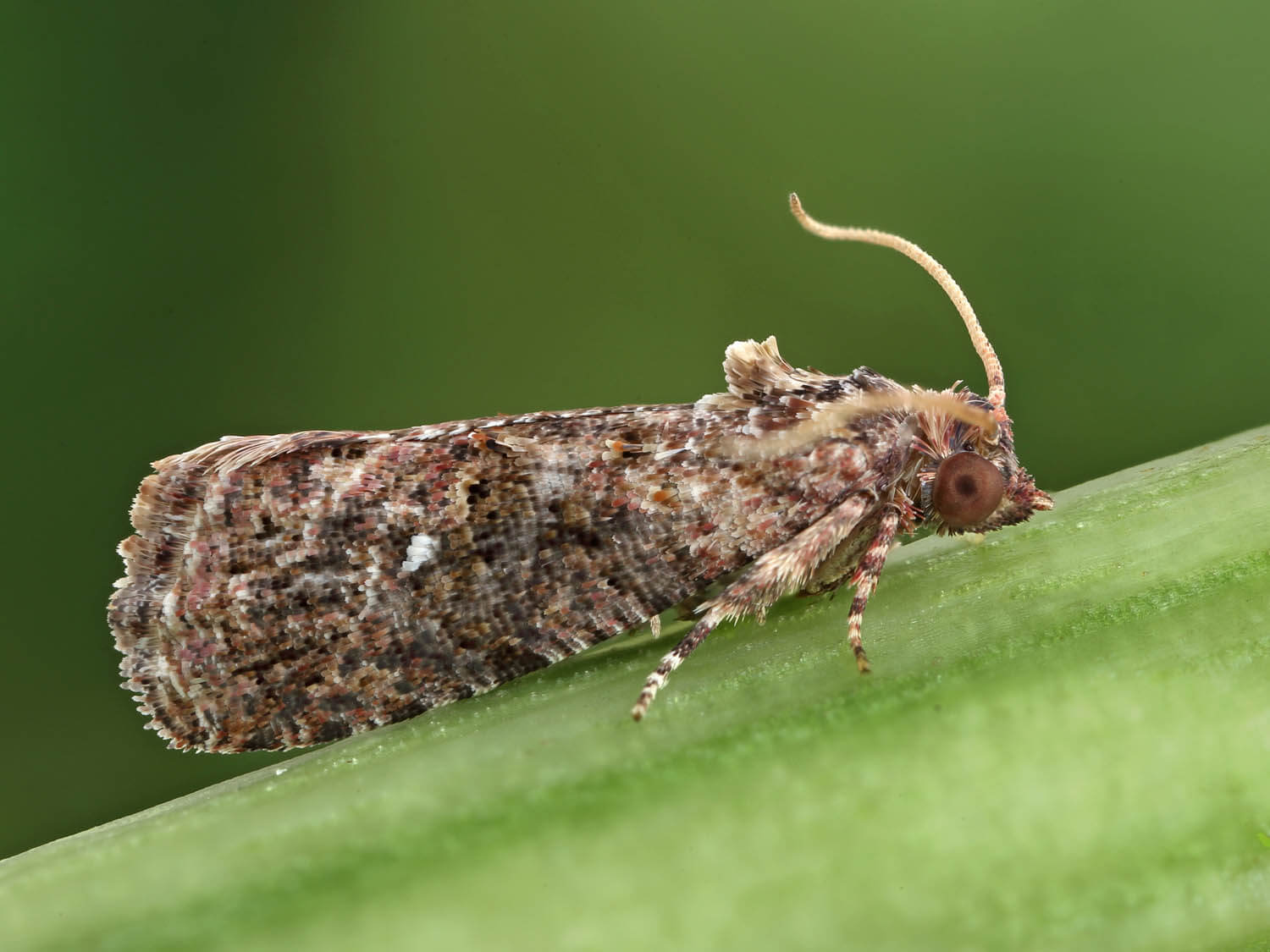
Thaumatotibia leucotreta, also known as African codling moth, is a pest that affects numerous fruit crops, including pomegranate. This moth is native to the African continent and has spread to other regions, causing significant economic damage to agriculture. Its life cycle includes several stages, from egg to larva, pupa and adult, with the larval phase being the most destructive for crops.
SYMPTOMS
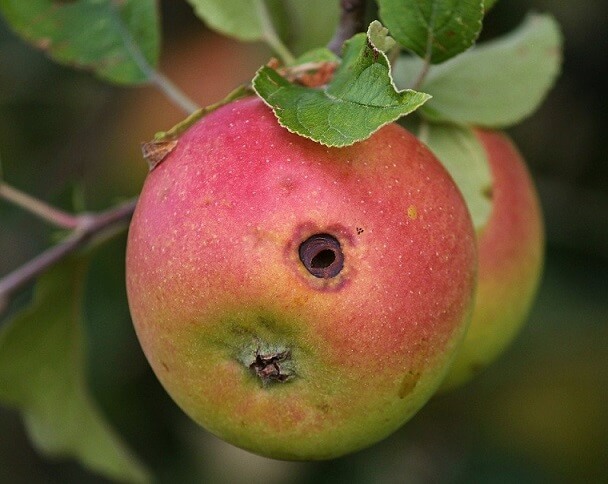
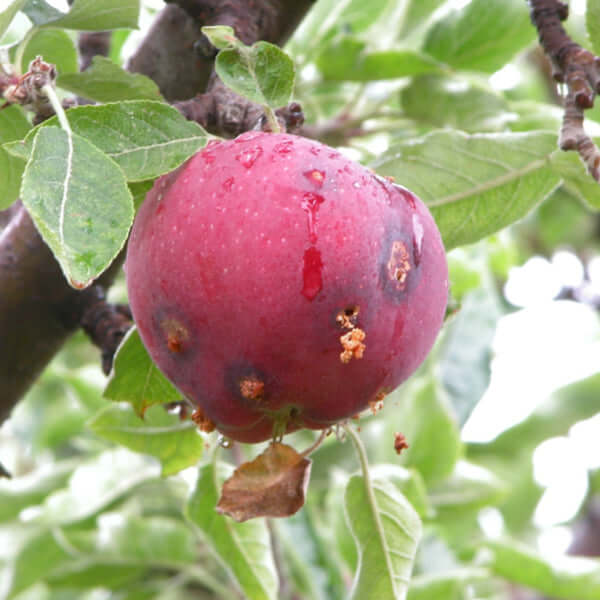
In pomegranate, infestation by Thaumatotibia leucotreta can cause devastating symptoms on fruits. The larvae of this pest feed on the pomegranate pulp, creating galleries and tunnels inside the fruit. This leads to premature decay of the fruit, which becomes soft, wrinkled and discolored. Furthermore, the presence of larval excrement on the surface of the fruit is another revealing sign of infestation by this false codling moth.


TEMPERATURE AND HUMIDITY
20°C - 30°C
70% - 80%

HOW IS IT SPREAD?
Active flight, human transport, movement of infested fruits, biological vectors, packaging material, agricultural equipment.

HOW TO REMOVE IT?
Home remedies
There are no home treatments
Chemical treatments
• MOTH TRAPS
Authorized treatments in organic farming
• MOTH TRAPS
Insect allies
PREDATORY MITES
LADYBUGS
LACEWINGS
PARASITIC WASPS
HOVERFLIES OR PARASITIC FLIES
PREDATORY BUGS
There are no natural allies
Mycodiplosis oidii (predatory mosquito)
EFFECTIVE PRODUCTS TO ELIMINATE THIS DISEASE
Sponsored link
Sponsored link


Sponsored link
Sponsored link
Sponsored link


Sponsored link
Sponsored link
Effective against all types of fungi

Sponsored link


Sponsored link
Sponsored link

Sponsored link


Sponsored link
To prevent and control Thaumatotibia leucotreta infestation in pomegranate crops, it is recommended to implement a series of integrated pest management measures. This includes removing damaged or fallen fruit, applying traps to monitor the presence of the adult moth, using biological or chemical insecticides as necessary, and promoting healthy cultural practices.
Recommendations

Enjoy idMicrobe TOTALLY FREE, with no trial periods.


