

Polillas
False Codling Moth
Thaumatotibia Leucotreta
Pathogen:
Insect
Type:
Risk to the plant:
CRITICAL (Quarantine Agency)

DESCRIPTION
WHO CAUSES IT?
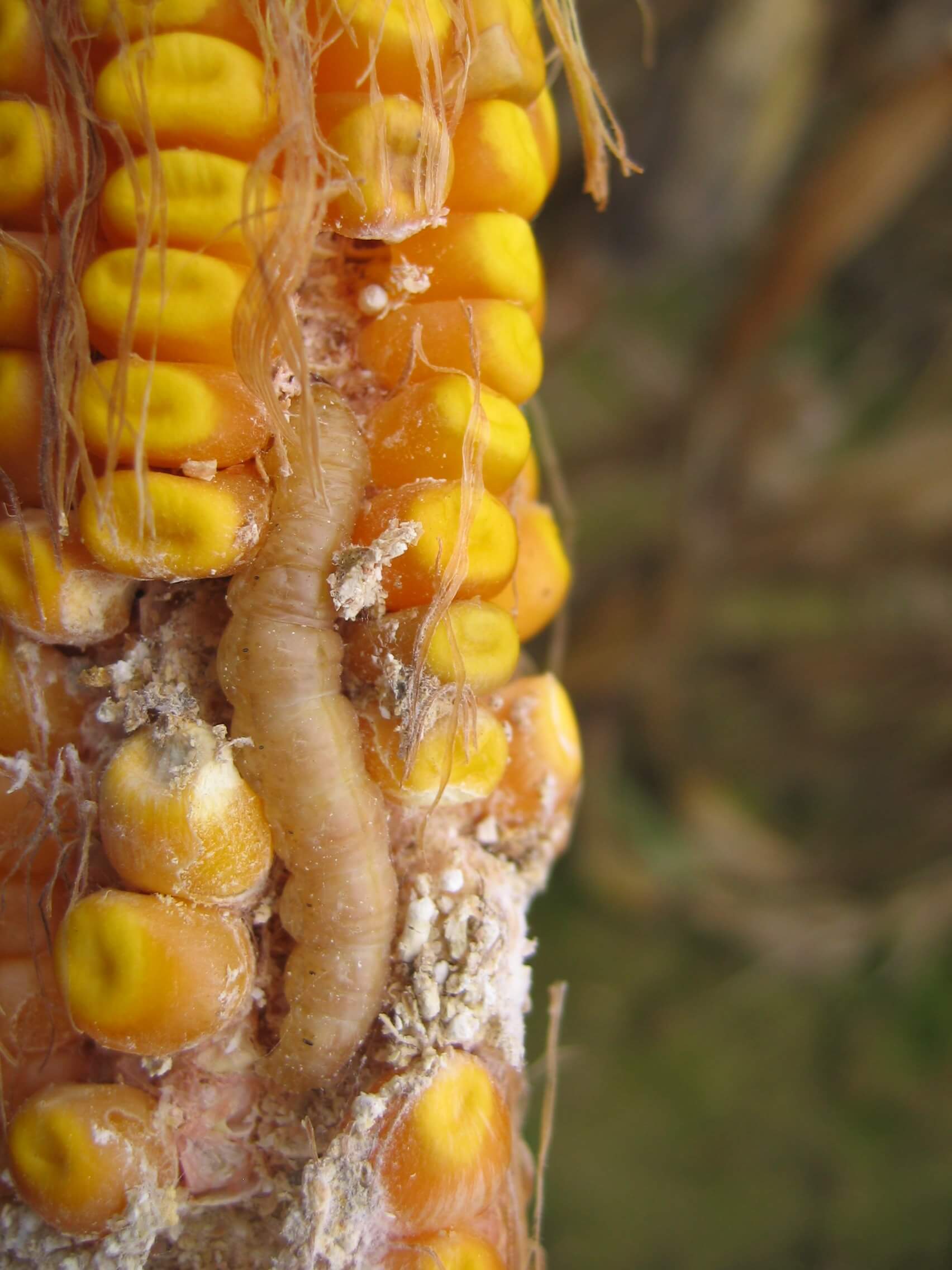
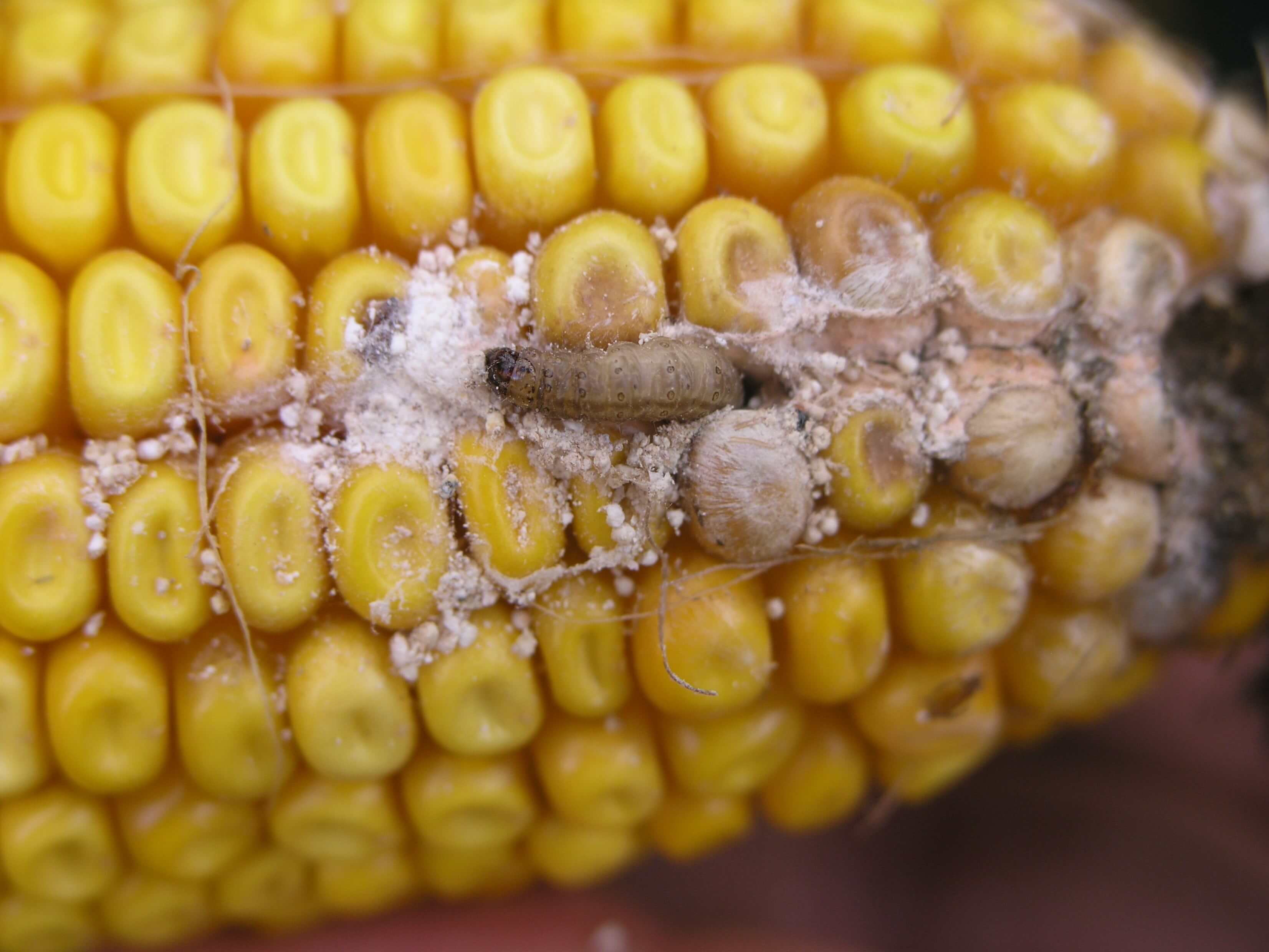
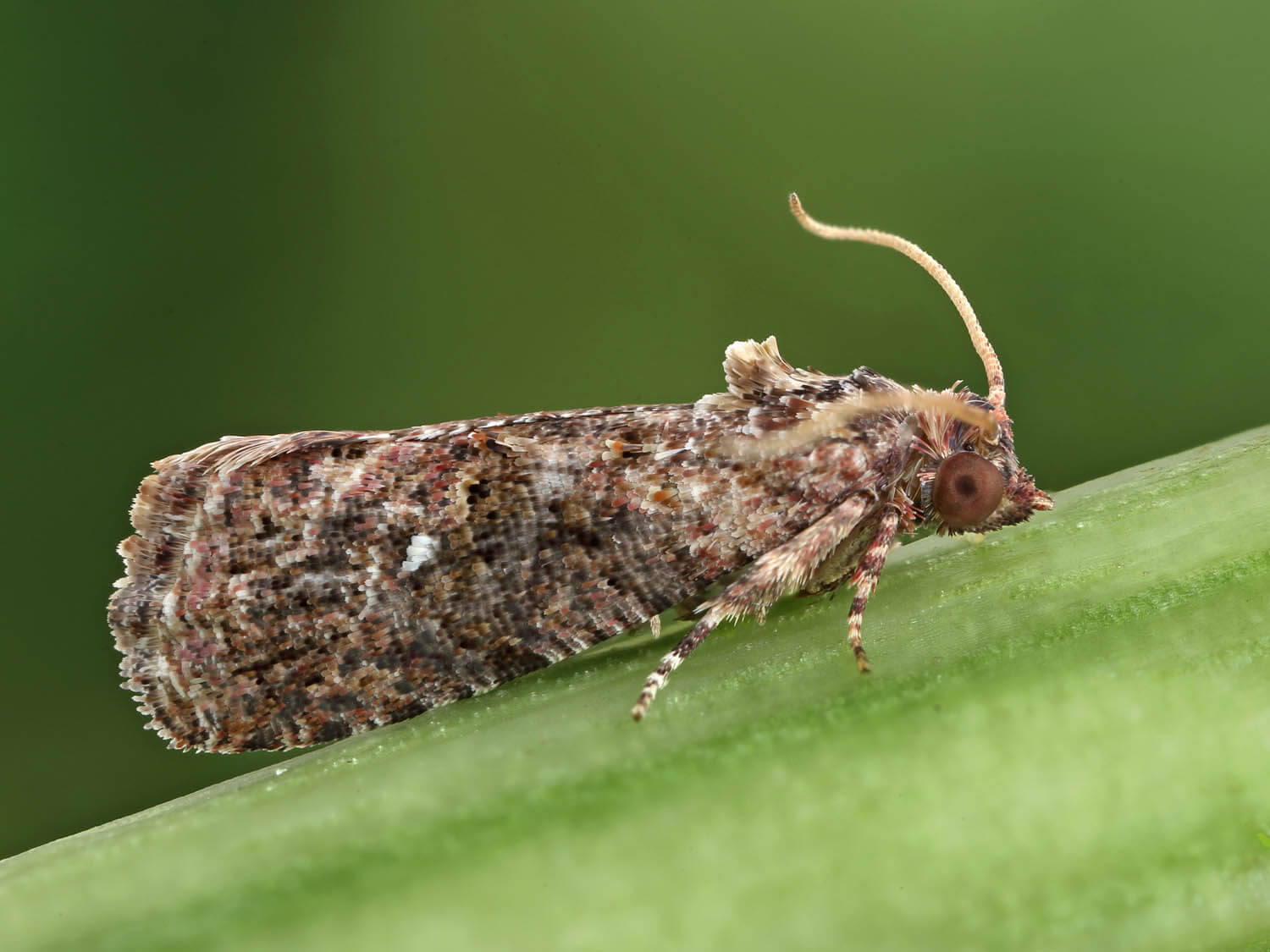
Thaumatotibia leucotreta, also known as false codling moth, is a pest that affects a wide variety of crops, including corn. It is a moth native to sub-Saharan Africa that has spread to other regions of the world. Their larvae feed on the developing fruits of corn, causing significant damage to the production and quality of the crop.
SYMPTOMS
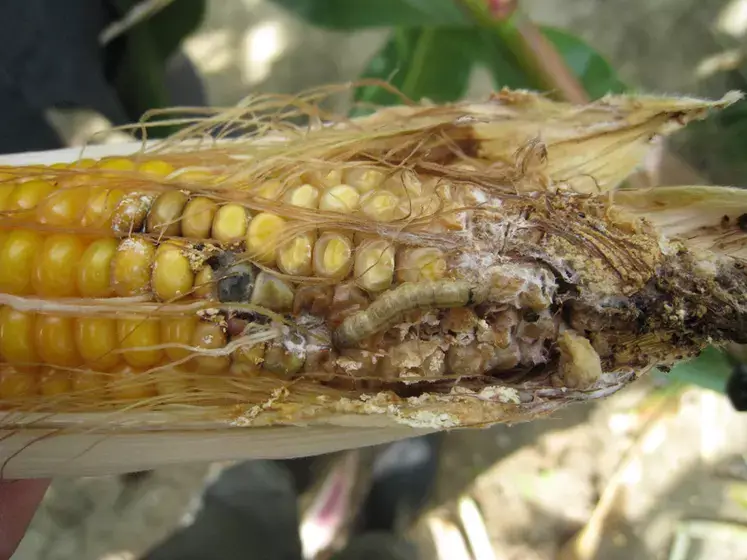
In corn, Thaumatotibia leucotreta infestation can cause a series of worrying symptoms. Among the most common signs are the presence of entrance holes in the ears, the formation of galleries or tunnels inside the grain, and the presence of excrement and decomposed plant tissue in the affected area. These symptoms can result in loss of corn yield and quality.


TEMPERATURE AND HUMIDITY
25°C - 30°C
60% - 80%

HOW IS IT SPREAD?
Natural dispersal by moth flight, human transport, contaminated plant material.

HOW TO REMOVE IT?
Home remedies
There are no home treatments
Chemical treatments
• MOTH TRAPS
Authorized treatments in organic farming
• MOTH TRAPS
Insect allies
PREDATORY MITES
LADYBUGS
LACEWINGS
PARASITIC WASPS
HOVERFLIES OR PARASITIC FLIES
PREDATORY BUGS
There are no natural allies
Mycodiplosis oidii (predatory mosquito)
EFFECTIVE PRODUCTS TO ELIMINATE THIS DISEASE
Sponsored link
Sponsored link


Sponsored link
Sponsored link
Sponsored link


Sponsored link
Sponsored link
Effective against all types of fungi

Sponsored link


Sponsored link
Sponsored link

Sponsored link


Sponsored link
To prevent and control Thaumatotibia leucotreta infestation in corn crops, it is recommended to implement a series of integrated pest management measures. This includes removing crop debris and weeds from fields, using pheromone traps to monitor the moth population, and applying specific insecticides when necessary.
Recommendations

Enjoy idMicrobe TOTALLY FREE, with no trial periods.


