

Orugas o gusanos
Armyworm or green doughnut: what it is, how it originates, and how to eliminate it effectively.
Armyworm Or Green Donut
Spodoptera Exigua
Pathogen:
Insect
Type:
Risk to the plant:
HIGH
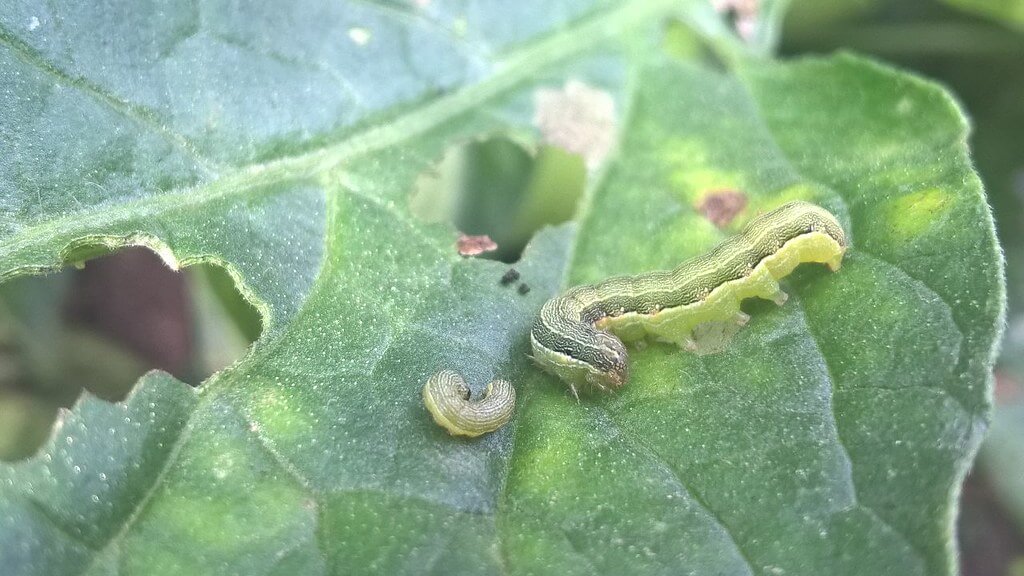
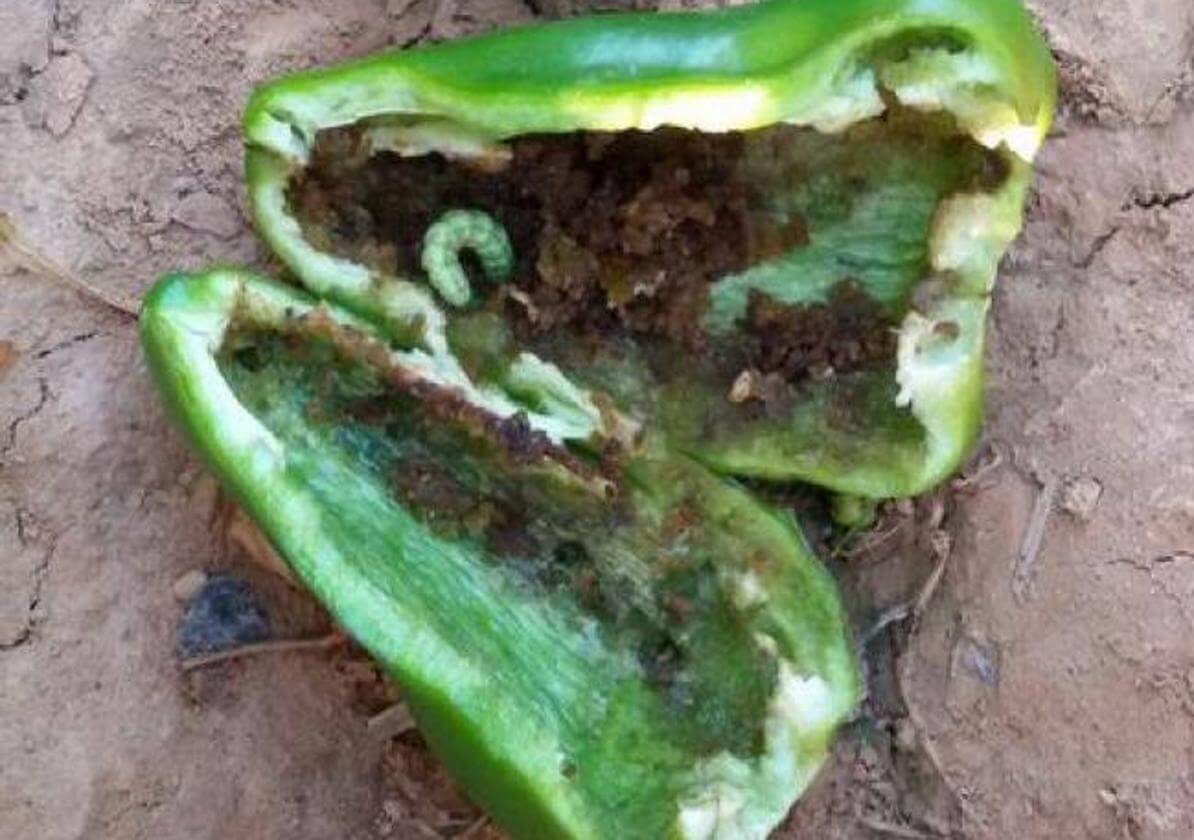

DESCRIPTION
WHO CAUSES IT?
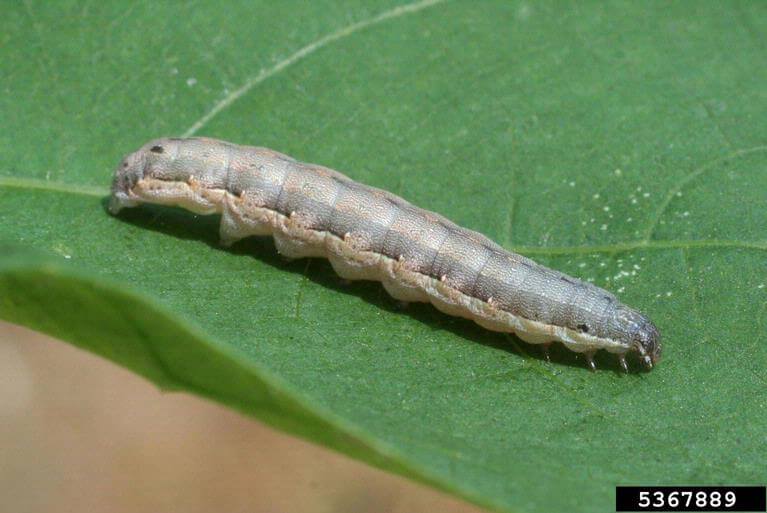
Spodoptera exigua, commonly known as armyworm or green donut, is a lepidopteran pest belonging to the family Noctuidae. Adults are medium-sized moths with grayish-brown forewings and zigzag markings. Females deposit their eggs in masses on the leaves of host plants. Each egg mass contains between 50 and 300 eggs, and each female can lay several hundred over her lifetime. The eggs hatch in a few days, releasing larvae that pass through five to six larval instars, during which they feed intensively on the leaves, stems and fruits of the plants. Mature larvae burrow into the soil to pupate. The pupal stage lasts approximately two weeks, after which the adult emerges. This cycle can be completed in one month under optimal conditions, allowing multiple generations per year in warm climates.
SYMPTOMS
In pepper, Spodoptera exigua causes significant damage due to its ability to feed voraciously on leaves and fruits. This damage reduces photosynthesis and weakens the plant, affecting both growth and fruit production. The presence of larval excrement and the disfigurement of the fruits also decrease the commercial value of the crop.
Irregular holes in the leaves
Severe defoliation
Damage to shoots and stems
Presence of larvae and excrement on the plant
Pierced and disfigured fruits
Reduction in fruit production
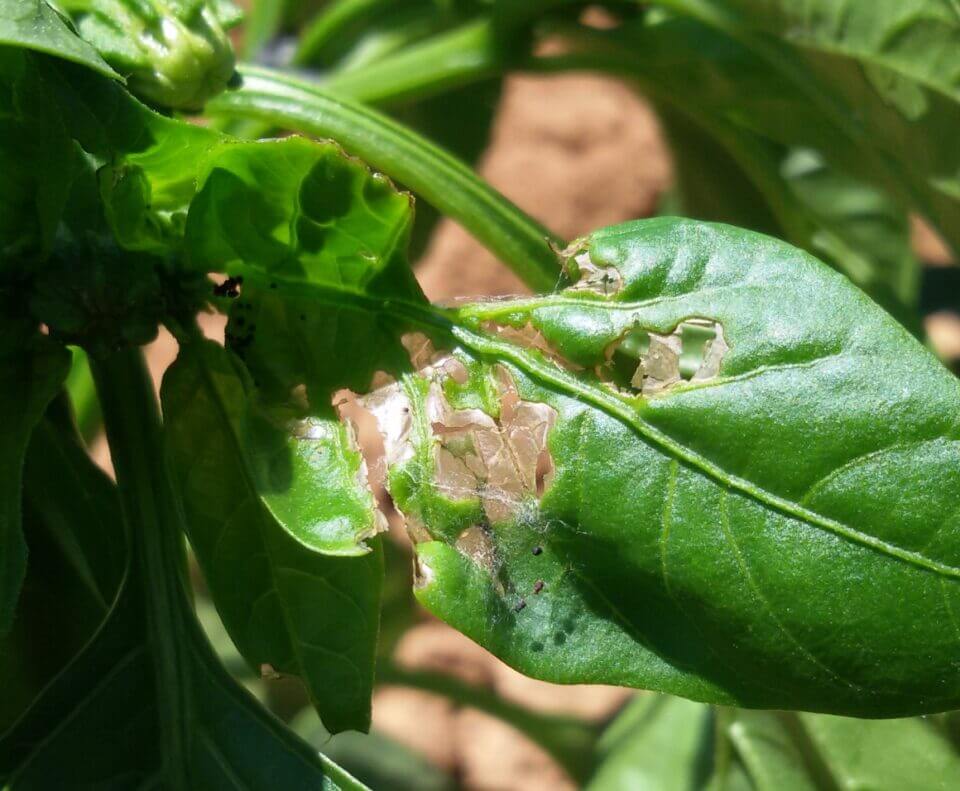
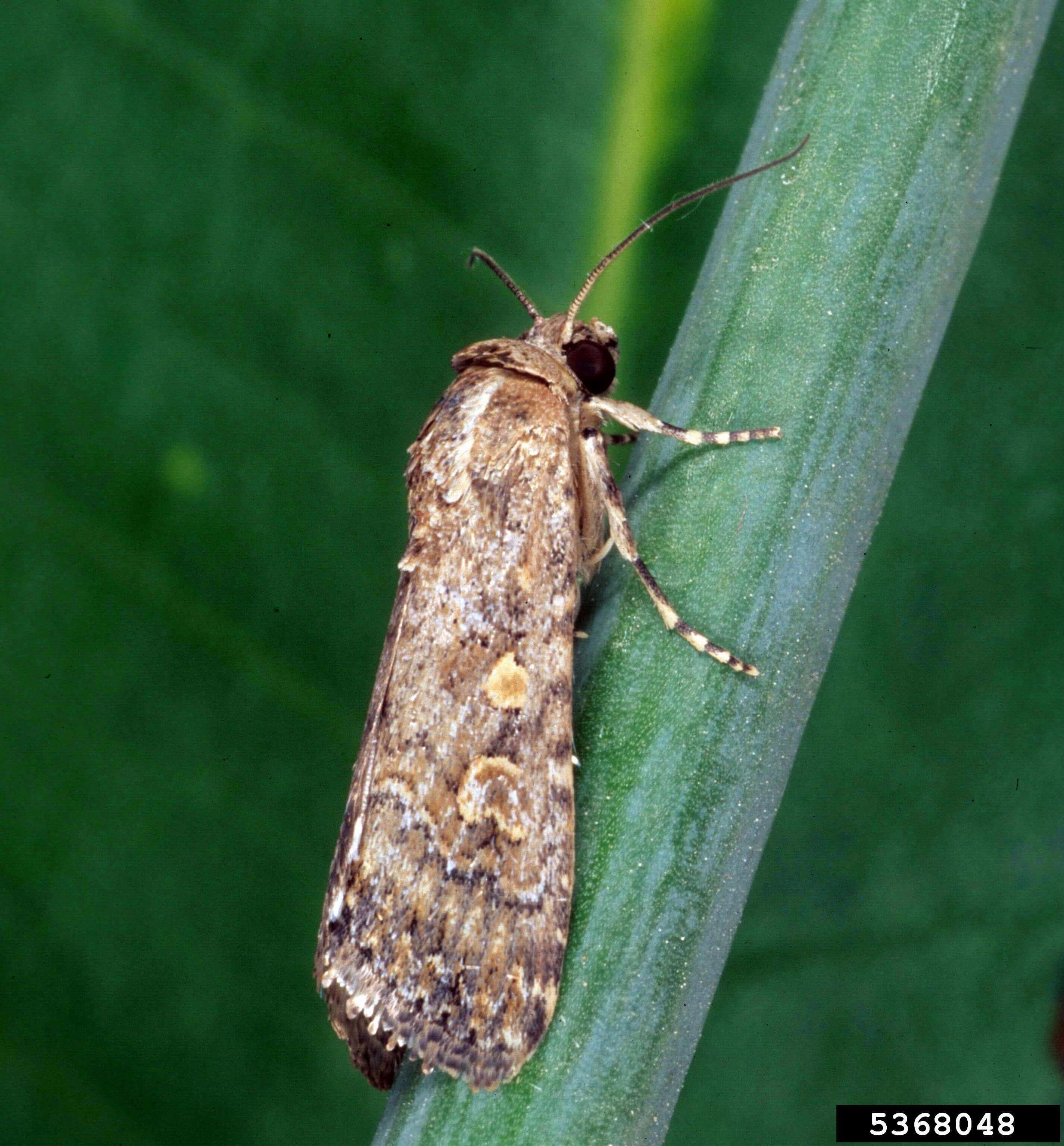

TEMPERATURE AND HUMIDITY
20°C - 30°C
50% - 80%

HOW IS IT SPREAD?
Wind, Direct contact with infected plants, Movement of contaminated soil, Contaminated growing tools, Infected seedlings

HOW TO REMOVE IT?
Home remedies
There are no home treatments
Chemical treatments
• (Z,E)-9,12-TETRADECADIEN-1-YL ACETATE (0.284 g/diffuser) + (Z)-11-HEXADECEN-1-YL ACETATE (0.031 g/diffuser) [VP] P/P
• CHLORANTRANILIPROL 35% [WG] P/P
• CYANTRANILIPROL 10% + ACIBENZOLAR-S-METHYL 1.25% [SC] P/V
• DELTAMETHRIN 1.5% [EW] P/V
• DELTAMETHRIN 2.5% [EW] P/V
• METHOXYFENOCIDE 24% [SC] P/V
• METHOXYFENOCIDE 24% [SC] P/V
• SPINETORAM 2.5% [SC] P/V
• Spodoptera exigua (Pheromone)
Authorized treatments in organic farming
• (Z,E)-9,12-TETRADECADIEN-1-YL ACETATE (0.284 g/diffuser) + (Z)-11-HEXADECEN-1-YL ACETATE (0.031 g/diffuser) [VP] P/P
• Spodoptera exigua (Pheromone)
Insect allies
PREDATORY MITES
LADYBUGS
LACEWINGS
PARASITIC WASPS
HOVERFLIES OR PARASITIC FLIES
PREDATORY BUGS
There are no natural allies
Mycodiplosis oidii (predatory mosquito)
EFFECTIVE PRODUCTS TO ELIMINATE THIS DISEASE
Sponsored link

Sponsored link


Sponsored link
Sponsored link
Sponsored link


Sponsored link
Sponsored link
Effective against all types of fungi

Sponsored link


Sponsored link
Sponsored link

Sponsored link


Sponsored link
Implement an appropriate crop rotation to interrupt the insect cycle.
Use pheromone traps to monitor and capture adults.
Introduce and encourage the use of natural enemies such as parasitoids and larval predators.
Maintain adequate crop hygiene, eliminating residue from previous crops and weeds.
Use physical barriers such as anti-insect mesh to protect crops.
Apply biological insecticides such as Bacillus thuringiensis (Bt) in early stages of larval development.
Carry out constant monitoring of the crop to detect and control the pest early.
Alternate insecticides with different modes of action to avoid resistance.
Maintain detailed records of infestations and treatments to adjust control strategies.
Recommendations

Enjoy idMicrobe TOTALLY FREE, with no trial periods.


