

Orugas o gusanos
Earworm
Helicoverpa Armigera
Pathogen:
Insect
Type:
Risk to the plant:
HIGH

DESCRIPTION
WHO CAUSES IT?
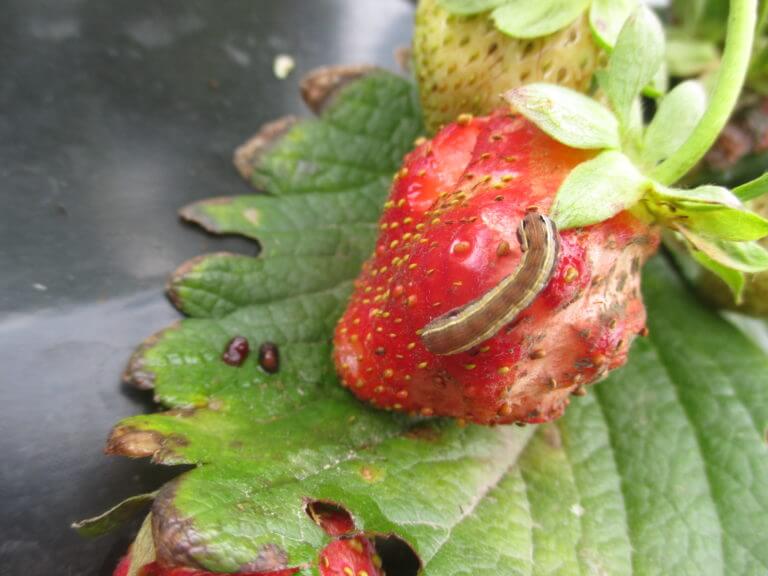
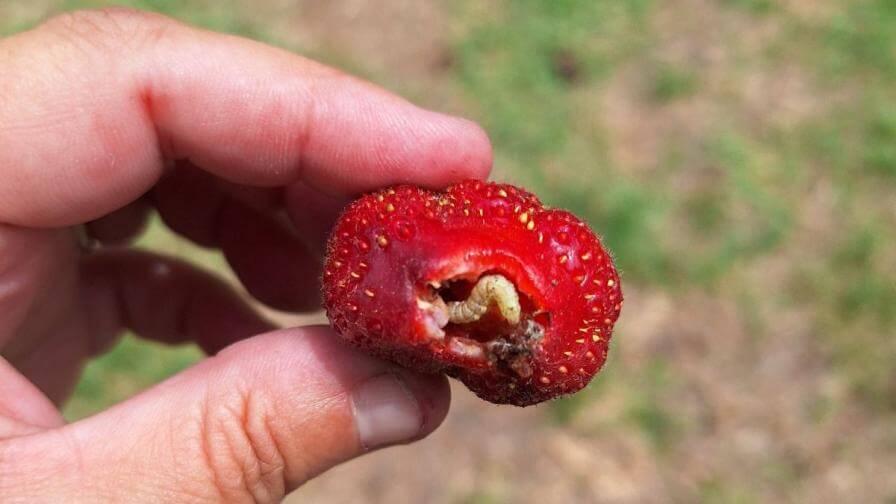
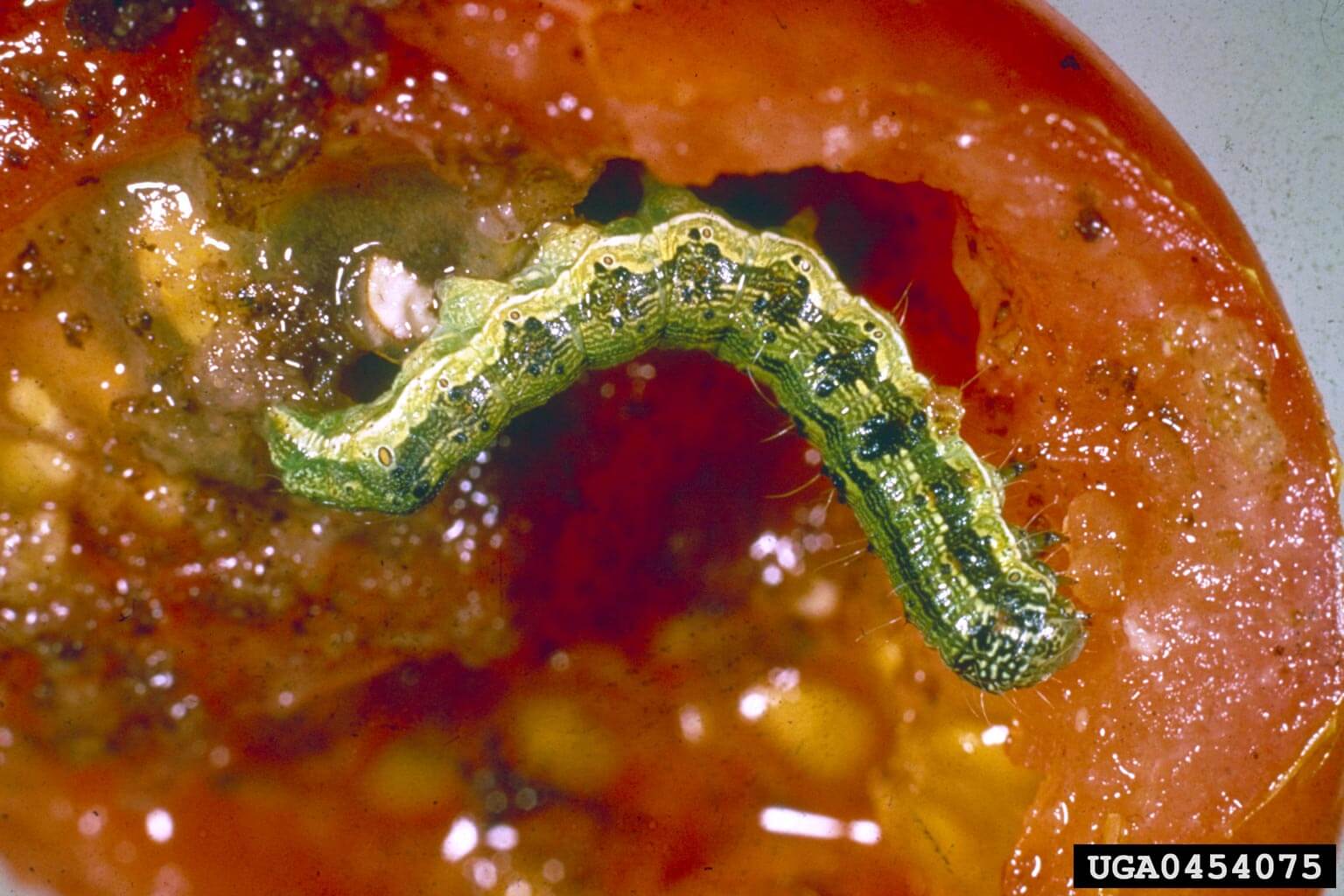
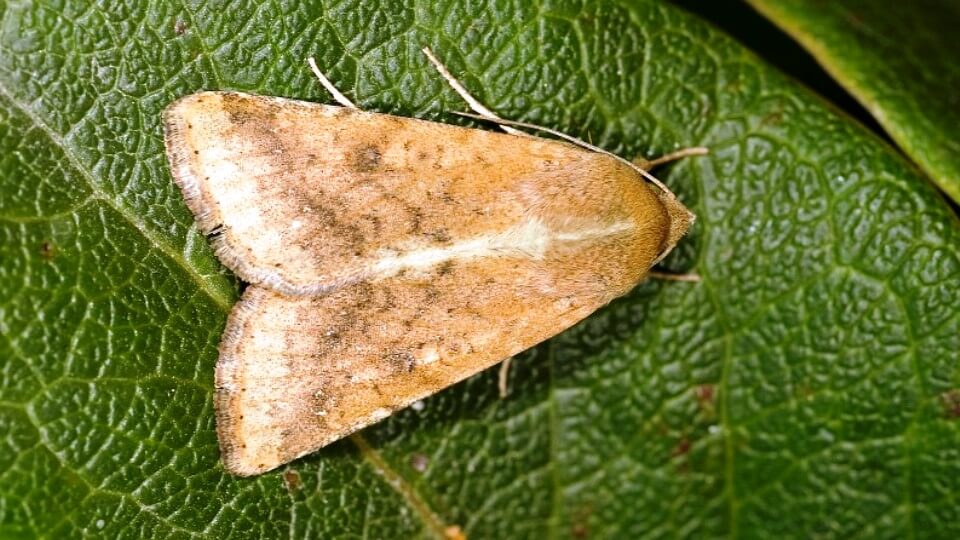
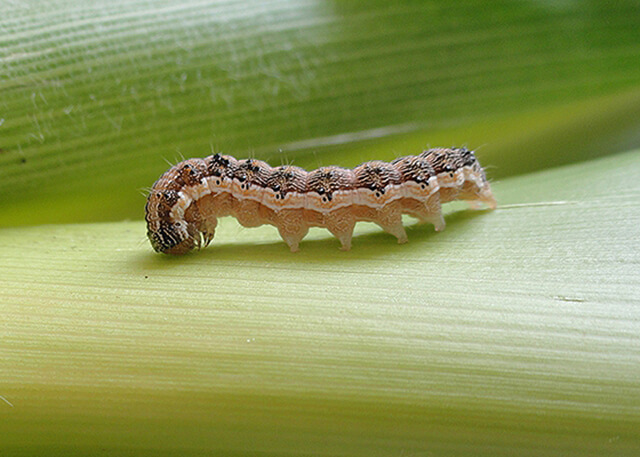
Helicoverpa armigera, known as the earworm, is a lepidopteran of the family Noctuidae. This insect goes through several stages: egg, larva, pupa and adult. Females lay their eggs individually in the flowers or fruits of host plants. After a few days, the eggs hatch and the larvae emerge, which go through several molts before reaching maturity. The larvae, of variable color ranging from green to brown, are highly polyphagous and feed voraciously on plant tissues. After completing their larval development, they burrow into the ground to pupate. The pupation phase lasts about two weeks, depending on environmental conditions, after which the adults emerge. Adults are light brown moths with Taches on their wings.
SYMPTOMS
In berries, Helicoverpa armigera causes significant damage by feeding on flowers and fruits, leading to loss of yield and quality.
- Perforations in fruits and flowers.
- Presence of excrement on fruits and leaves.
- Deformed or scarred fruits.
- Premature fall of flowers and fruits.
- Secondary rot due to wounds caused by larvae.
- Decrease in plant vigor.
- Reduction in the commercial quality of the affected fruits.

TEMPERATURE AND HUMIDITY
20°C - 30°C
60% - 80%

HOW IS IT SPREAD?
Direct contact between plants, wind, insect vectors, contaminated growing tools, new infested plants

HOW TO REMOVE IT?
Home remedies
There are no home treatments
Chemical treatments
• LAMBDA CYHALOTHRIN 1.5% [CS] P/V
• LAMBDA CYHALOTHRIN 10% [CS] P/V
• LAMBDA CYHALOTHRIN 2.5% [WG] P/P
• SPINETORAM 2.5% [SC] P/V
Authorized treatments in organic farming
• LAMBDA CYHALOTHRIN 1.5% [CS] P/V
• LAMBDA CYHALOTHRIN 10% [CS] P/V
• LAMBDA CYHALOTHRIN 2.5% [WG] P/P
Insect allies
PREDATORY MITES
LADYBUGS
LACEWINGS
PARASITIC WASPS
HOVERFLIES OR PARASITIC FLIES
PREDATORY BUGS
There are no natural allies
Mycodiplosis oidii (predatory mosquito)
EFFECTIVE PRODUCTS TO ELIMINATE THIS DISEASE
Sponsored link

Sponsored link


Sponsored link
Sponsored link
Sponsored link


Sponsored link
Sponsored link
Effective against all types of fungi

Sponsored link


Sponsored link
Sponsored link

Sponsored link


Sponsored link
- Regularly monitor plants for early signs of infestation.
- Use pheromone traps to capture and monitor adult populations.
- Implement crop rotations to interrupt the life cycle of the insect.
- Apply biological insecticides such as Bacillus thuringiensis (Bt) to control larvae in early stages.
- Introduce natural enemies such as Trichogramma spp. to parasitize the eggs.
- Keep growing areas clean and free of plant residues.
- Promote biodiversity in the crop environment to favor natural enemies.
- Apply chemical insecticides only when populations reach levels of economic damage.
- Practice soil tillage to expose and remove buried pupae.
- Implement physical barriers such as mesh to protect crops from adult moths.
Recommendations

Enjoy idMicrobe TOTALLY FREE, with no trial periods.


