

Micosis/Hongos
Leaf spot caused by buckthorn: what it is, how it occurs, and how to effectively eliminate it.
Curvularia Leaf Spot
Curvularia Lunata, C. Pallescens
Pathogen:
Fungus
Type:
Risk to the plant:
INTERMEDIATE

DESCRIPTION
WHO CAUSES IT?
Curvularia lunata and C. pallescens are phytopathogenic fungi that cause the disease known as curvularia leaf spot in corn. These fungi belong to the group of dematiaceous fungi, which are characterized by producing dark-colored spores. Its life cycle begins with the release of spores that are dispersed through the air or transported by water. Once the spores reach the corn leaves, they germinate and penetrate the plant tissues, colonizing the plant and causing the appearance of the characteristic symptoms of the disease.
SYMPTOMS
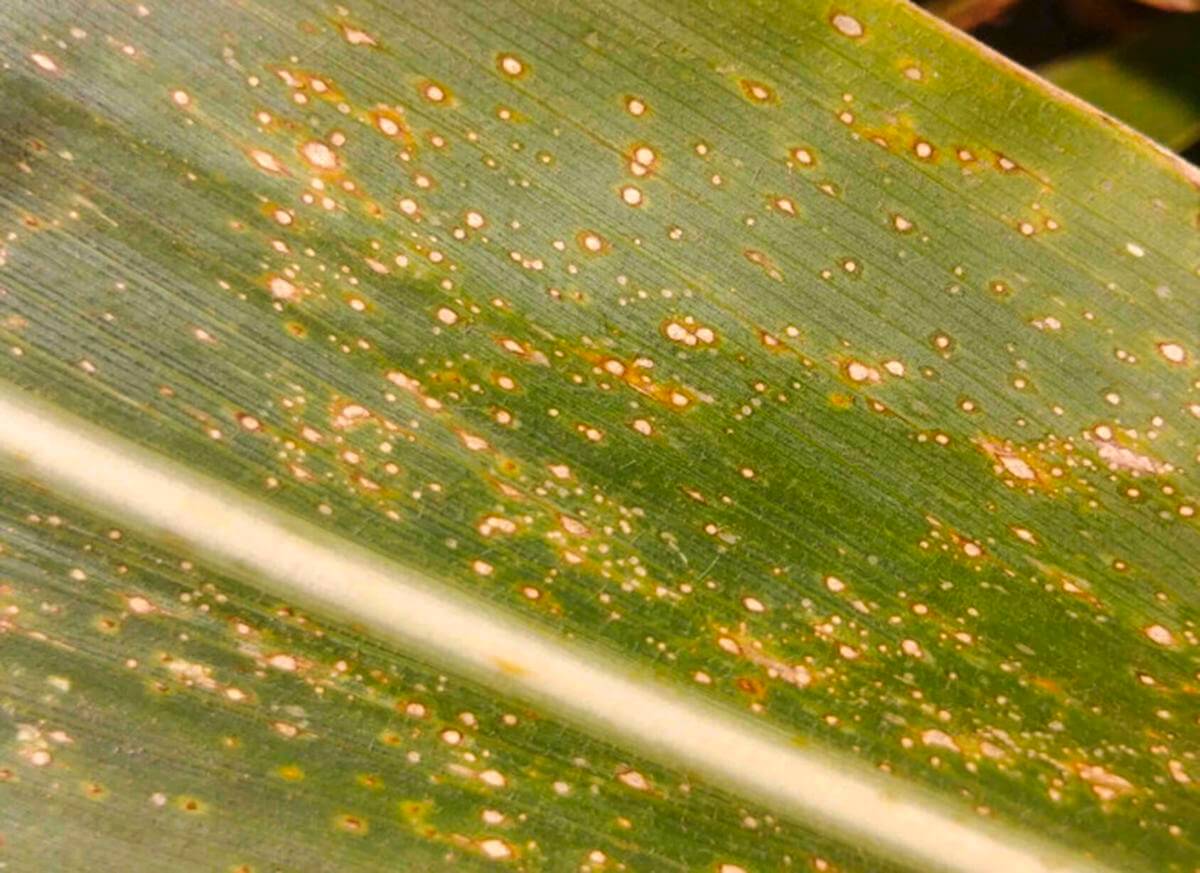
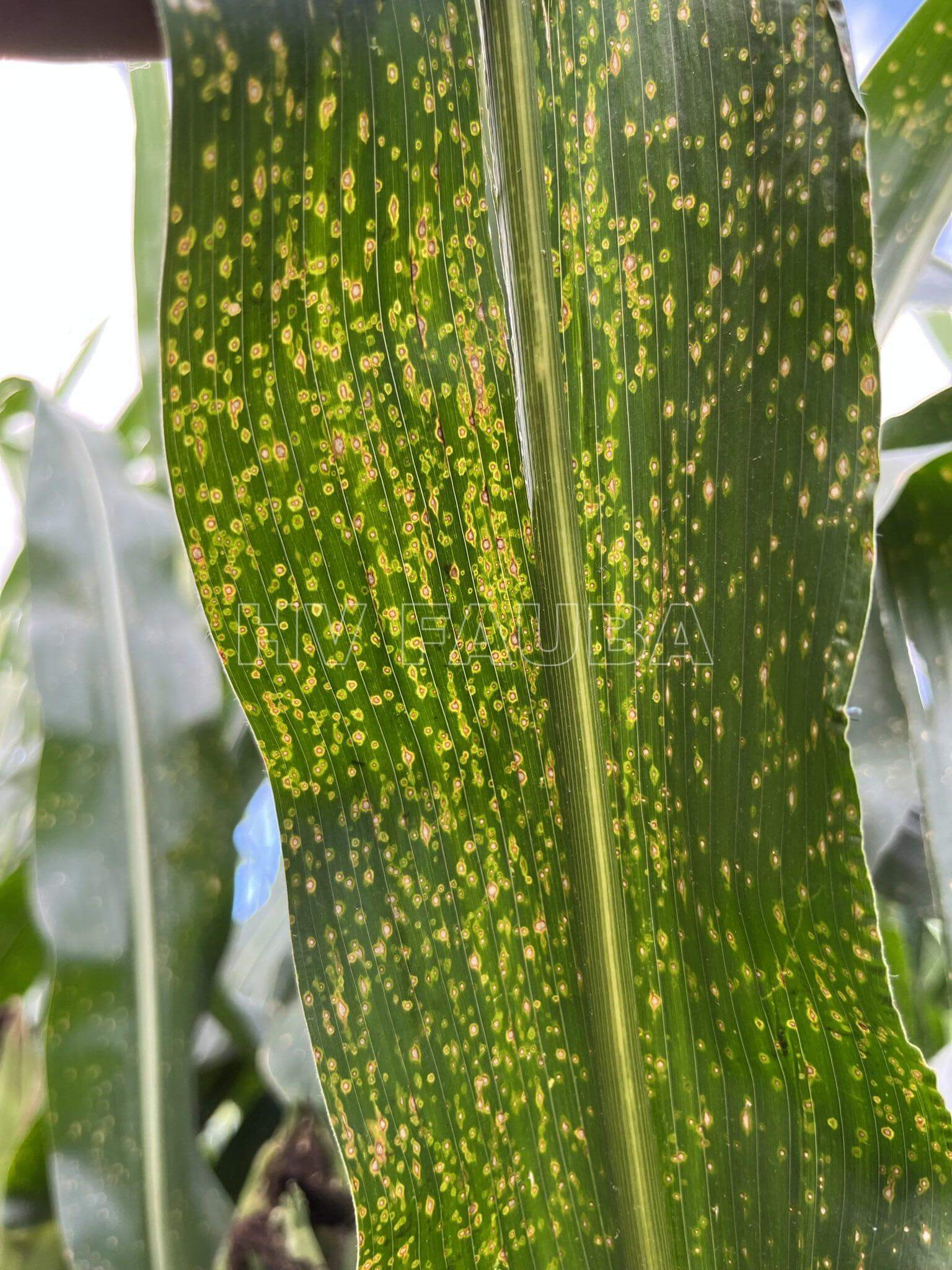
Curvularia leaf spot disease in corn manifests itself with the appearance of necrotic Taches on the leaves. These Taches usually have a circular or oval appearance and can vary in size and color, from light brown to black. Symptoms are mainly seen on the older leaves of the plant and can cause a decrease in photosynthetic capacity and general weakening of the plant.
- Circular or oval necrotic Taches on the leaves.
- Variation in size and color of the Taches.
- Appearance mainly on old leaves.
- Reduction of photosynthetic capacity.
- Weakening of the plant.


TEMPERATURE AND HUMIDITY
20-30°C
70-90%

HOW IS IT SPREAD?
Air, water, infected seeds, infected crop remains

HOW TO REMOVE IT?
Home remedies
There are no home treatments
Chemical treatments
• AZOXISTROBIN 25% [SC] P/V
• SULFUR 80% [SC] P/V
• SULFUR 80% [WG] P/P
• SULFUR 80% [WP] P/P
• SULFUR 82.5% [SC] P/V
Authorized treatments in organic farming
• SULFUR 80% [SC] P/V
• SULFUR 80% [WG] P/P
• SULFUR 80% [WP] P/P
• SULFUR 82.5% [SC] P/V
Insect allies
PREDATORY MITES
LADYBUGS
LACEWINGS
PARASITIC WASPS
HOVERFLIES OR PARASITIC FLIES
PREDATORY BUGS
There are no natural allies
Mycodiplosis oidii (predatory mosquito)
EFFECTIVE PRODUCTS TO ELIMINATE THIS DISEASE
Sponsored link
Sponsored link


Sponsored link
Sponsored link
Sponsored link


Sponsored link
Sponsored link
Effective against all types of fungi

Sponsored link


Sponsored link
Sponsored link

Sponsored link


Sponsored link
- Crop rotation to interrupt the life cycle of the fungus.
- Use of certified pathogen-free seeds.
- Maintenance of an adequate planting density to promote ventilation and reduce humidity in the crop.
- Application of preventive fungicides at critical moments of crop development.
- Removal and destruction of infected crop remains to reduce the source of inoculum.
- Regular monitoring of the culture to detect the presence of the disease early.
Recommendations

Enjoy idMicrobe TOTALLY FREE, with no trial periods.


