

Virus
Necrotic ring spots on prunus trees: what they are, how they occur, and how to effectively remove them.
Necrotic Ring Taches Of Prunus
Prunus Necrotic Ringspot Virus (Pnrsv)
Pathogen:
Virus
Type:
Risk to the plant:
INTERMEDIATE
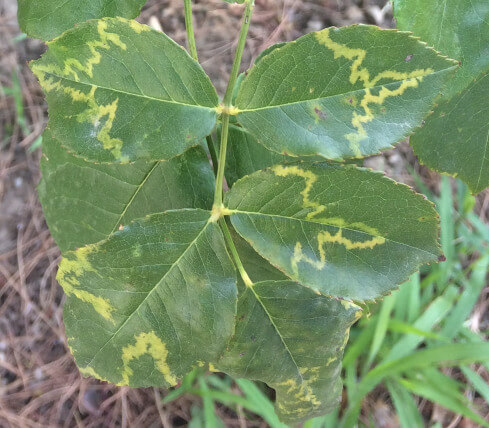
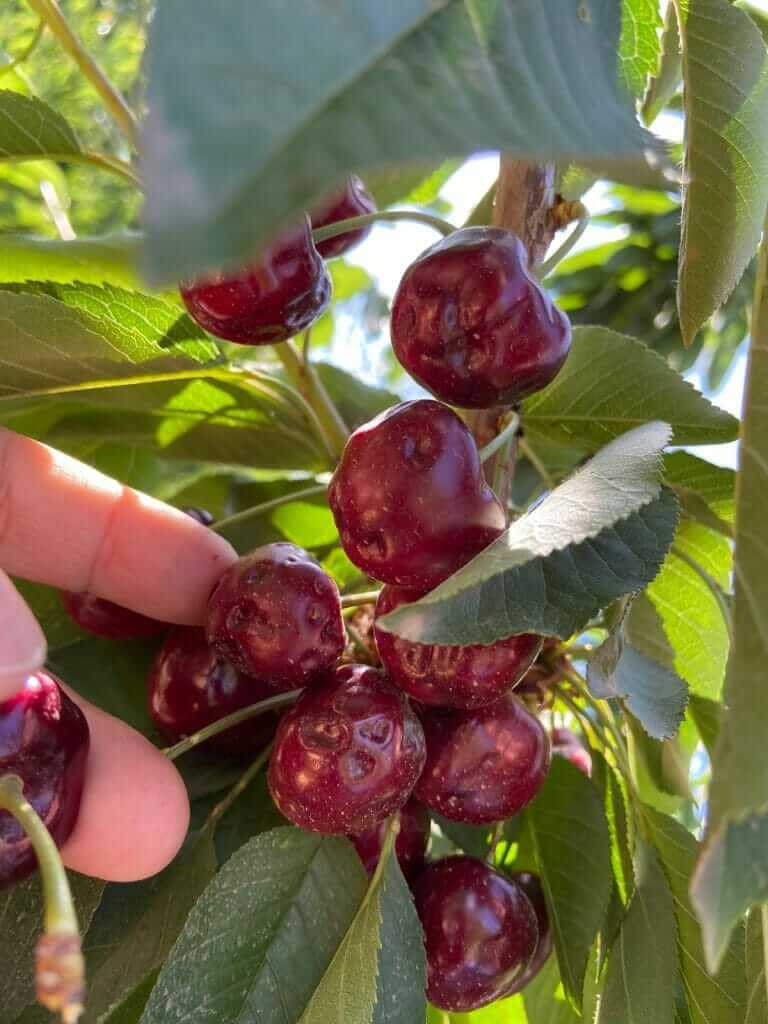

DESCRIPTION
WHO CAUSES IT?
Prunus necrotic ringspot virus (PNRSV) is an RNA virus that belongs to the genus Ilarvirus, within the family Bromoviridae. This virus affects a variety of species of the Prunus genus, including the cherry tree. PNRSV is transmitted primarily through pollen and infected seeds, as well as contaminated grafts and tools. The virus can persist in infected plant material, such as buds and roots, and spreads rapidly under favorable conditions. Once the virus penetrates the host cell, it replicates using the cellular machinery, leading to the production of new viral particles that spread to other cells and tissues. Symptoms of infection may not appear immediately and may be influenced by environmental factors and host variety. As the infection progresses, the virus causes necrosis and ring Taches on the leaves, reducing the photosynthetic capacity of the plant and affecting its overall health.
SYMPTOMS
Prunus necrotic ring Taches, caused by PNRSV, affect the cherry tree, causing a variety of symptoms that weaken the plant and reduce its productivity. The disease is characterized by the appearance of necrotic and ring Taches on the leaves, which can lead to premature defoliation and a decrease in the quality and quantity of the fruits.
- Chlorotic ring Taches on the leaves.
- Necrosis on the edges of the leaves.
- Dwarfism of leaves and fruits.
- Premature defoliation.
- Reduction in flowering and fruiting.
- Stunted growth of branches.
- Regressive death of branches.
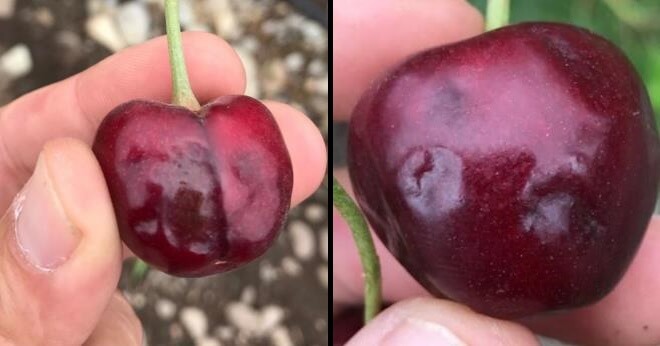


TEMPERATURE AND HUMIDITY
20°C - 25°C
60% - 80%

HOW IS IT SPREAD?
Pollen, Seeds, Grafts, Contaminated tools

HOW TO REMOVE IT?
Home remedies
There are no home treatments
Chemical treatments
There are no effective treatments against viruses, the treatments are focused on combating the insect or vector carrying the virus (SEE AVAILABLE TREATMENTS AGAINST INSECTS)
Authorized treatments in organic farming
There are no effective treatments against viruses, the treatments are focused on combating the insect or vector carrying the virus (SEE AVAILABLE TREATMENTS AGAINST INSECTS)
Insect allies
PREDATORY MITES
LADYBUGS
LACEWINGS
PARASITIC WASPS
HOVERFLIES OR PARASITIC FLIES
PREDATORY BUGS
There are no natural allies
Mycodiplosis oidii (predatory mosquito)
EFFECTIVE PRODUCTS TO ELIMINATE THIS DISEASE
Sponsored link
Sponsored link


Sponsored link
Sponsored link
Sponsored link


Sponsored link
Sponsored link
Effective against all types of fungi

Sponsored link


Sponsored link
Sponsored link

Sponsored link


Sponsored link
- Use certified virus-free planting material.
- Carry out regular inspections of trees to detect early symptoms of infection.
- Remove and destroy infected plants to prevent the spread of the virus.
- Disinfect pruning tools and other growing equipment regularly.
- Implement an integrated pest management program that includes surveillance and vector control.
- Avoid using grafts from infected plants.
- Carry out crop rotations to reduce the accumulation of viruses in the soil.
- Maintain good hygiene in the garden, including the elimination of pruning remains and other potential sources of infection.
Recommendations

Enjoy idMicrobe TOTALLY FREE, with no trial periods.


