

Minadores
Minelayer
Liriomyza Trifolii
Pathogen:
Insect
Type:
Risk to the plant:
INTERMEDIATE

DESCRIPTION
WHO CAUSES IT?
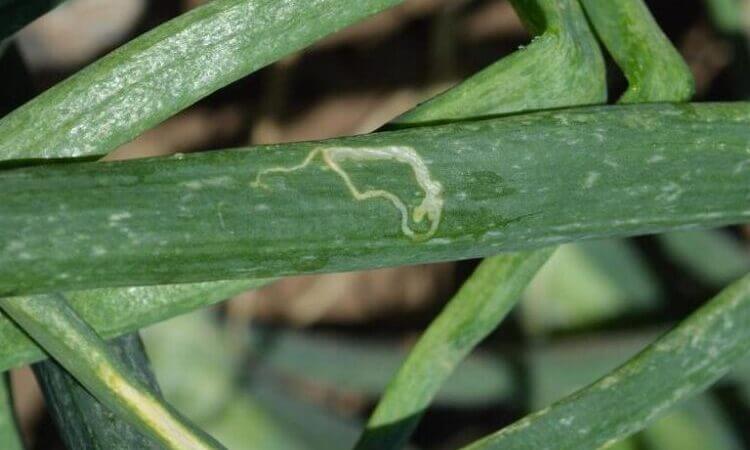
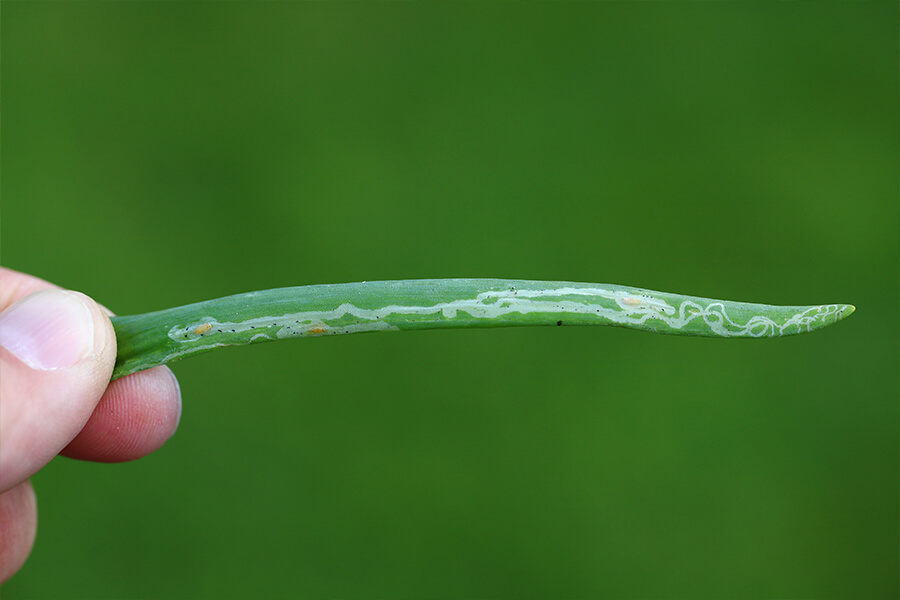
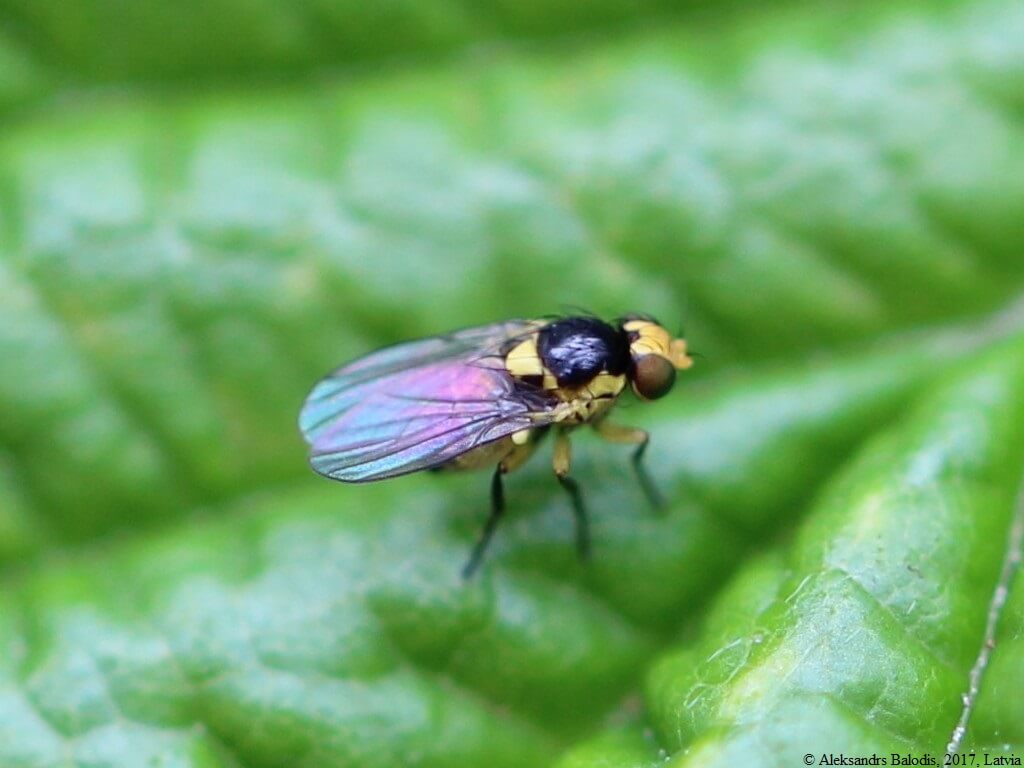
Liriomyza trifolii, also known as the leafminer, is a species of fly that affects a variety of crops, including onion. This fly has a larval stage that feeds on the internal tissue of the leaves, creating tunnels or mines. Adults are small black and yellow flies that lay eggs on plant leaves. The larvae emerge from the eggs and begin to feed, forming mines that reduce the photosynthetic capacity of the plant.
SYMPTOMS
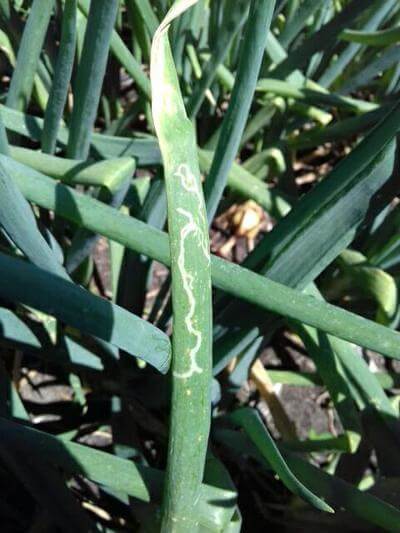
Damage caused by Liriomyza trifolii on onion manifests mainly as tunnels or mines in the leaves. These tunnels can affect the photosynthetic capacity of the plant, which can result in overall weakening and a decrease in production.
• Appearance of tunnels or mines in the onion leaves.
• Leaves with a silvery or yellowish appearance.
• Reduction in the photosynthetic capacity of the plant.
• Decrease in the quality and quantity of the harvest.


TEMPERATURE AND HUMIDITY
20 ºC - 30ºC
60% - 80%

HOW IS IT SPREAD?
Flight of adults, contact with infected plants, eggs laid on leaves.

HOW TO REMOVE IT?
Home remedies
There are no home treatments
Chemical treatments
• AZADIRACTIN 1% (AS AZADIRACTIN A) [EC] P/V
• Azadirachtin 2.6% (AS AZADIRACTIN A) [EC] P/V
• DELTAMETHRIN 2.5% [EC] P/V
Authorized treatments in organic farming
• AZADIRACTIN 1% (AS AZADIRACTIN A) [EC] P/V
• Azadirachtin 2.6% (AS AZADIRACTIN A) [EC] P/V
Insect allies
PREDATORY MITES
LADYBUGS
LACEWINGS
PARASITIC WASPS
HOVERFLIES OR PARASITIC FLIES
PREDATORY BUGS
There are no natural allies
Mycodiplosis oidii (predatory mosquito)
EFFECTIVE PRODUCTS TO ELIMINATE THIS DISEASE
Sponsored link
Sponsored link


Sponsored link
Sponsored link
Sponsored link


Sponsored link
Sponsored link
Effective against all types of fungi

Sponsored link


Sponsored link
Sponsored link

Sponsored link


Sponsored link
• Use onion varieties that are resistant or tolerant to leaf miner.
• Regularly monitor crops for the presence of mines on the leaves.
• Use pheromone traps to catch adults and control their population.
• Practice crop rotation to reduce pest pressure on the soil.
• Avoid excessive use of pesticides to protect the natural enemies of the leafminer.
• Apply specific insecticides according to local recommendations when necessary.
Recommendations

Enjoy idMicrobe TOTALLY FREE, with no trial periods.


