

Moho blanco
White Rot
Sclerotinia Sp.
Pathogen:
Fungus
Type:
Risk to the plant:
CRITICAL

DESCRIPTION
WHO CAUSES IT?
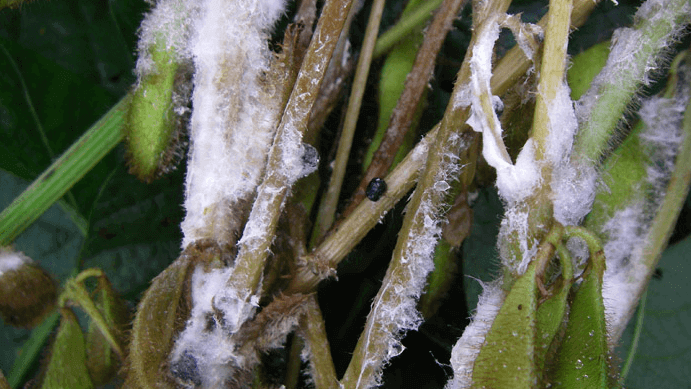
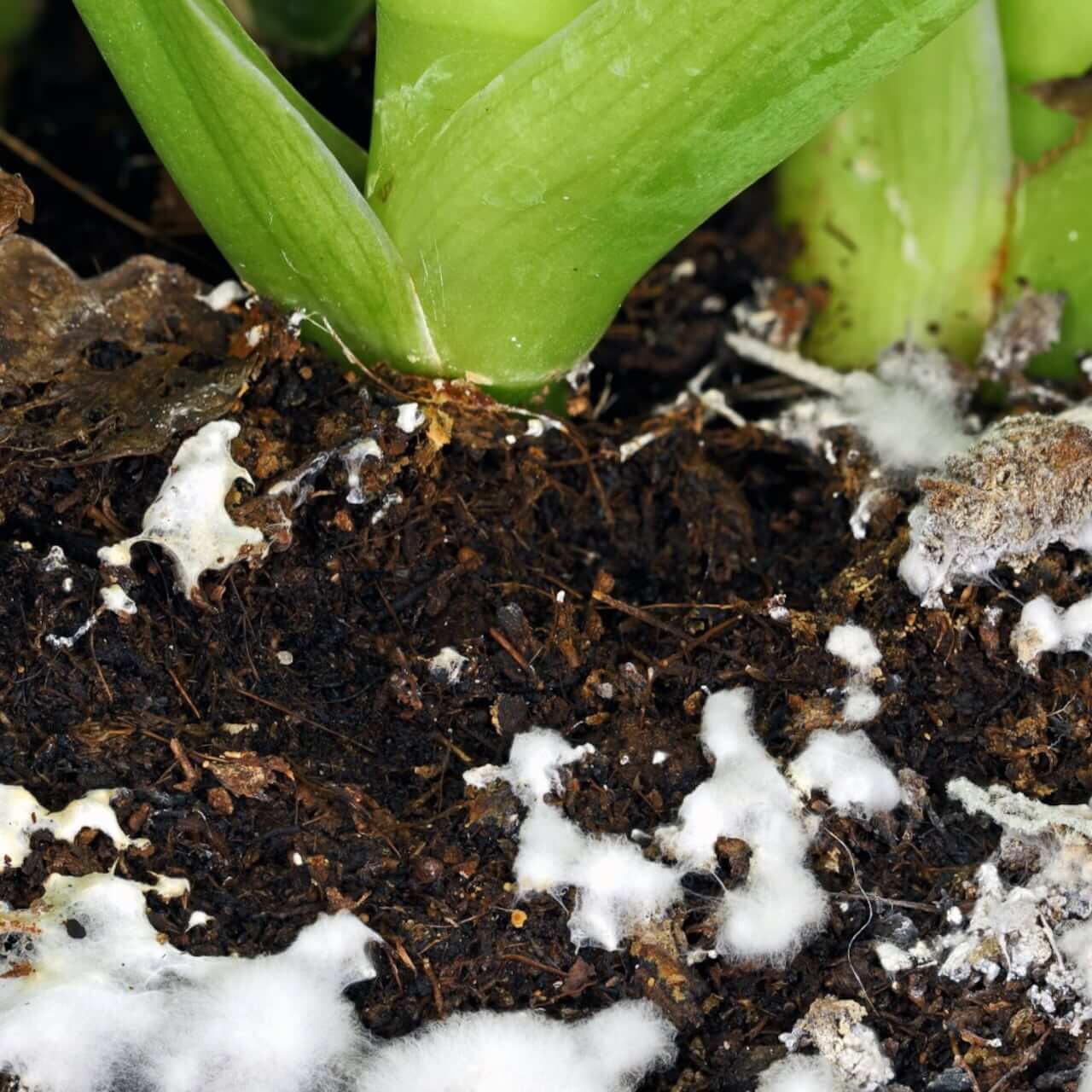
Sclerotinia sp., also known as white rot, is a phytopathogenic fungus that affects a wide variety of plants, including ornamental and garden plants. This pathogen produces sclerotia, resistance structures that can survive in the soil for long periods of time, facilitating plant reinfection.
SYMPTOMS
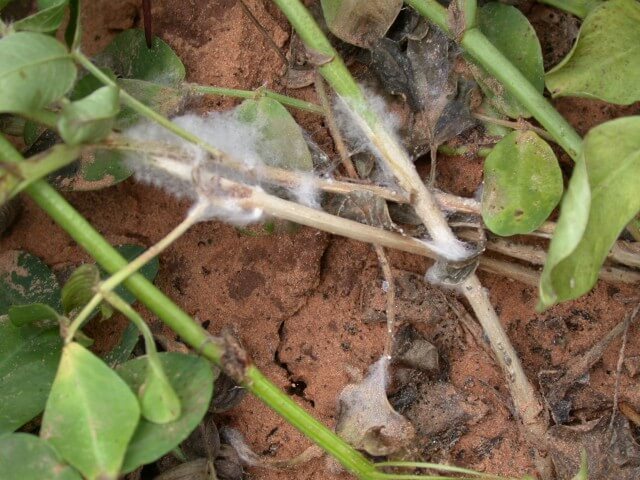
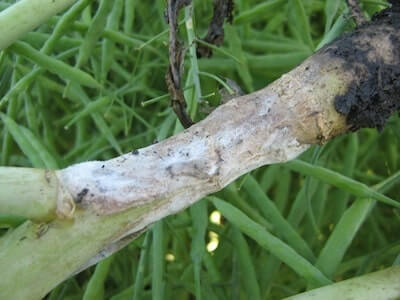
The disease caused by Sclerotinia sp. In ornamental and garden plants it is mainly manifested by the presence of watery and soft Taches on the leaves, stems and flowers. These Taches can spread rapidly, acquiring a whitish color and cottony texture, resulting in decomposition of plant tissues. In addition, white sclerotia can be observed near the affected areas.


TEMPERATURE AND HUMIDITY
15°C - 25°C
70% - 90%

HOW IS IT SPREAD?
Direct contact with infected sclerotia, spread by contaminated irrigation water, dispersion by wind.

HOW TO REMOVE IT?
Home remedies
There are no home treatments
Chemical treatments
• AZOXISTROBIN 25% [SC] P/V
• CIPRODINIL 37.5% + FLUDIOXONIL 25% [WG] P/P
• PHENHEXAMIDE 50% [SC] P/V
• PIRACLOSTROBIN 6.7% + BOSCALIDE 26.7% ( ) [WG] P/P
• PIRACLOSTROBIN 6.7% + BOSCALIDE 26.7% (I) [WG] P/P
Authorized treatments in organic farming
-
Insect allies
PREDATORY MITES
LADYBUGS
LACEWINGS
PARASITIC WASPS
HOVERFLIES OR PARASITIC FLIES
PREDATORY BUGS
There are no natural allies
Mycodiplosis oidii (predatory mosquito)
EFFECTIVE PRODUCTS TO ELIMINATE THIS DISEASE
Sponsored link
Sponsored link


Sponsored link
Sponsored link
Sponsored link


Sponsored link
Sponsored link
Effective against all types of fungi

Sponsored link


Sponsored link
Sponsored link

Sponsored link


Sponsored link
To prevent and control white rot, it is recommended to practice proper crop rotation to reduce the accumulation of sclerotia in the soil. In addition, it is important to avoid excess watering and maintain good air circulation around the plants to reduce ambient humidity. The use of specific fungicides may be necessary in cases of severe infections.
Recommendations

Enjoy idMicrobe TOTALLY FREE, with no trial periods.


