

Pudrición de raíz y tallo
Crown And Stem Rot
Neopestalotiopsis Sp.
Pathogen:
Fungus
Type:
Risk to the plant:
HIGH
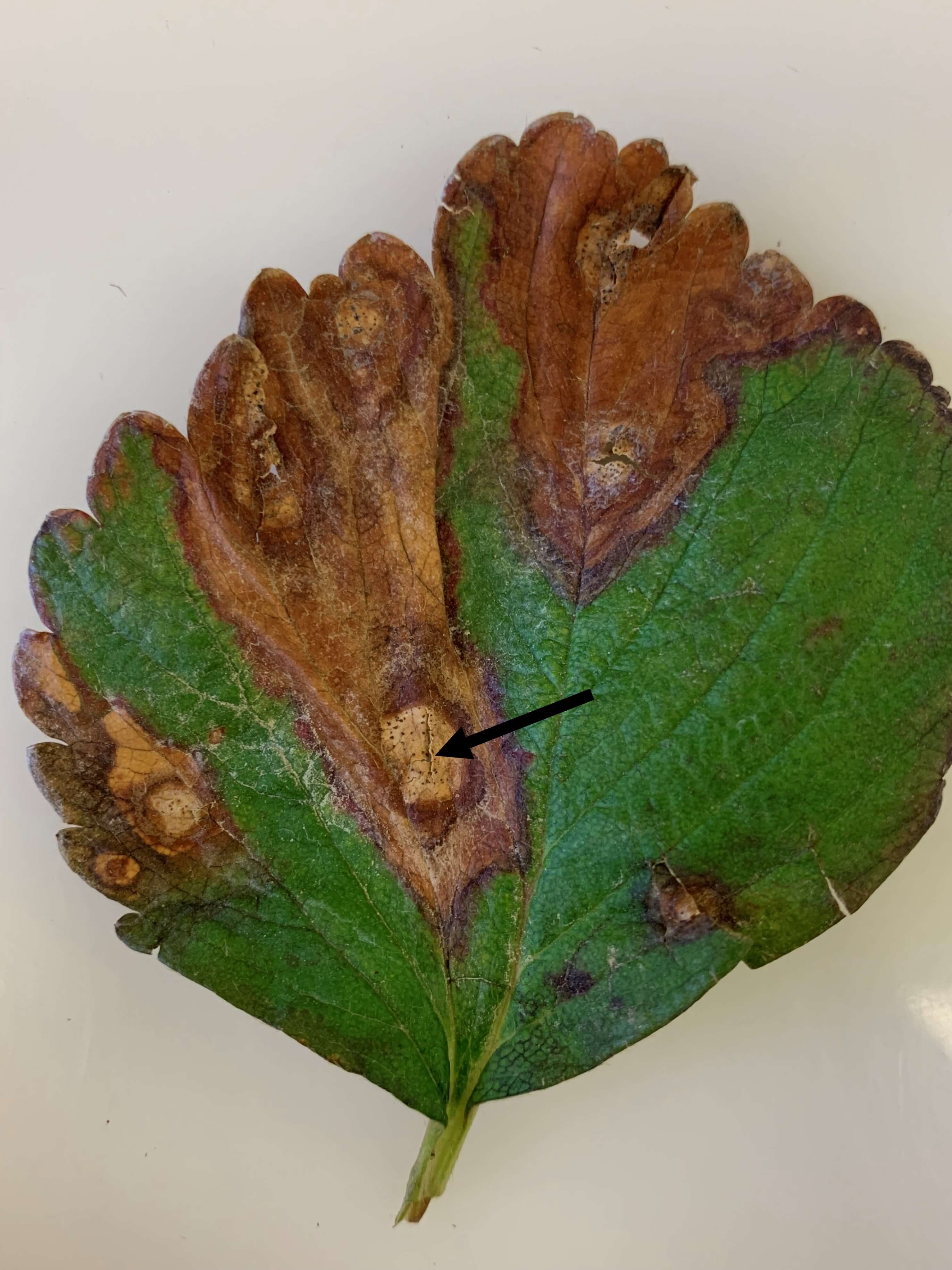
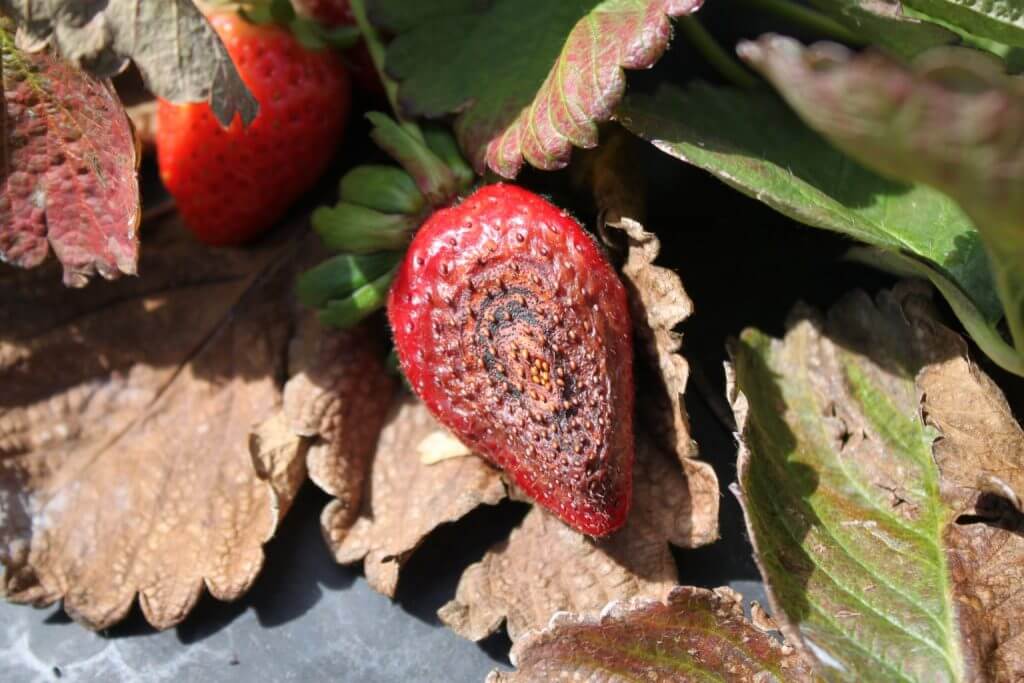

DESCRIPTION
WHO CAUSES IT?
Neopestalotiopsis sp. It is a genus of pathogenic fungi that affects a variety of plants, including berries. This fungus is characterized by producing asexual spores called conidia, which are dispersed through wind, water, and physical contact with contaminated tools and machinery. Conidia germinate in favorable conditions of high humidity and moderate temperature, invading plant tissues through wounds or natural openings in the plants. Once inside the host, the fungus colonizes the internal tissues, blocking the vessels conducting water and nutrients, which leads to necrosis and death of the affected tissues. The fungus can survive on infected plant remains and in soil, maintaining its ability to infect new plants in subsequent seasons.
SYMPTOMS
Crown and stem rot in berries caused by Neopestalotiopsis sp. It manifests itself with several symptoms that compromise the health and productivity of the plants. Symptoms include:
- Discoloration and darkening at the base of the stem and crown.
- Withering of leaves, even in the presence of sufficient humidity.
- Necrosis of the internal tissues of the stem and crown.
- Delay in plant growth and reduction in vigor.
- Dark and watery lesions on the stem.
- Collapse and death of the plant in severe cases.
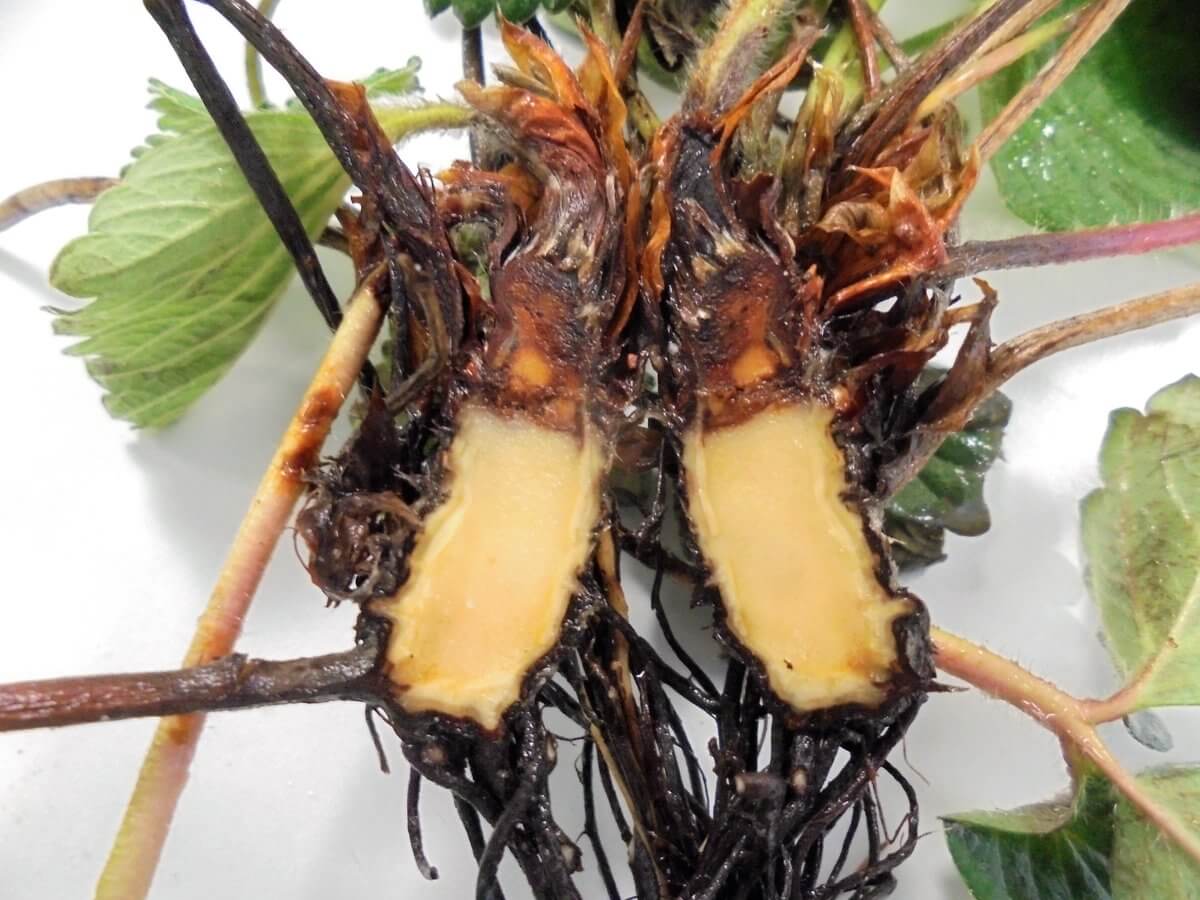
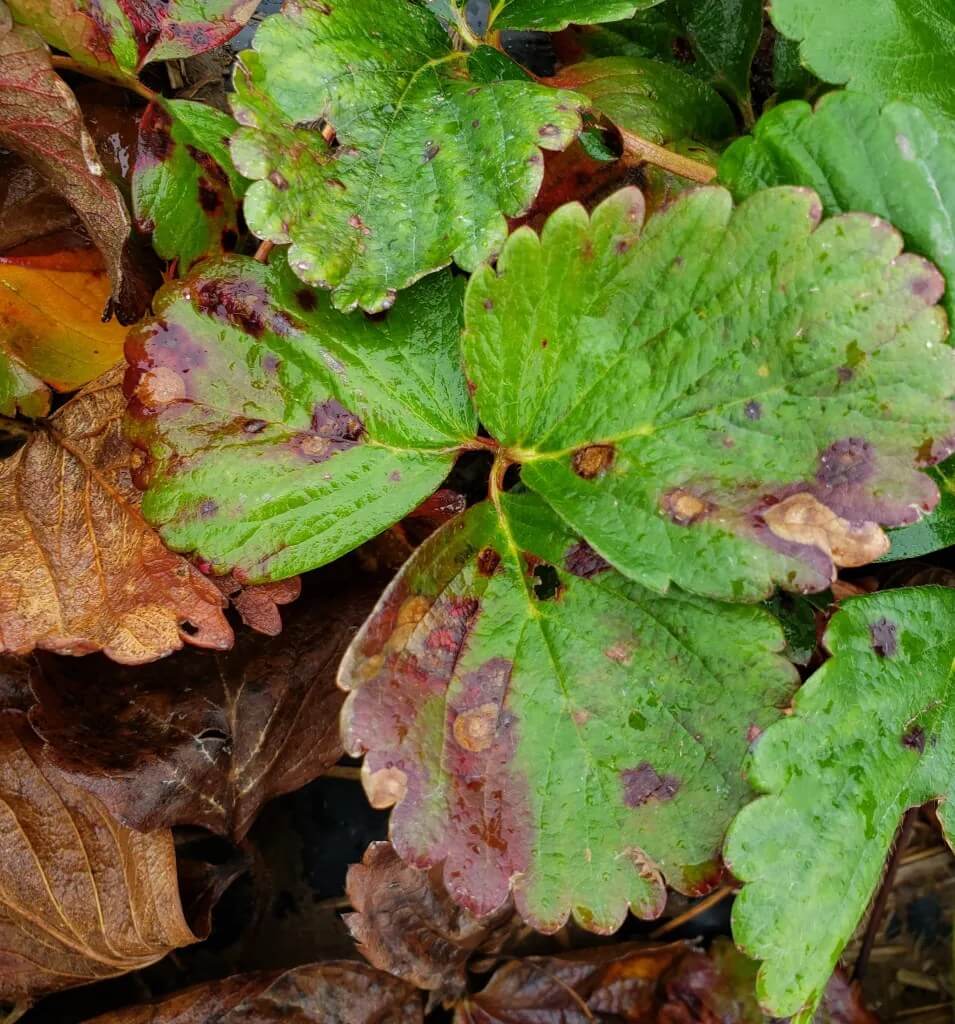


TEMPERATURE AND HUMIDITY
20°C - 30°C
70% - 90%

HOW IS IT SPREAD?
Irrigation water, Contaminated soil, Infected plant material, Gardening tools, Movement of agricultural machinery, Wind

HOW TO REMOVE IT?
Home remedies
There are no home treatments
Chemical treatments
-
Authorized treatments in organic farming
-
Insect allies
PREDATORY MITES
LADYBUGS
LACEWINGS
PARASITIC WASPS
HOVERFLIES OR PARASITIC FLIES
PREDATORY BUGS
There are no natural allies
Mycodiplosis oidii (predatory mosquito)
EFFECTIVE PRODUCTS TO ELIMINATE THIS DISEASE
Sponsored link
Sponsored link


Sponsored link
Sponsored link
Sponsored link


Sponsored link
Sponsored link
Effective against all types of fungi

Sponsored link


Sponsored link
Sponsored link

Sponsored link


Sponsored link
- Select and plant varieties resistant to Neopestalotiopsis sp.
- Rotate crops to avoid the accumulation of pathogens in the soil.
- Improve soil drainage to prevent waterlogging and water accumulation.
- Avoid excessive irrigation and maintain adequate soil aeration.
- Apply preventive fungicides according to manufacturers' recommendations.
- Regularly inspect plants for early symptoms of infection.
- Remove and destroy infected plants to prevent the spread of the fungus.
- Disinfect tools and machinery before and after use.
- Implement good agricultural management practices, such as reducing planting density to improve air circulation.
- Use vegetable covers and mulching to reduce moisture on the soil surface.
- Avoid planting in soils previously contaminated with Neopestalotiopsis sp.
- Promote soil health by adding organic matter and using biofungicides.
Recommendations

Enjoy idMicrobe TOTALLY FREE, with no trial periods.


