

Oídio
Powdery Mildew
Oidium Sp.
Pathogen:
Fungus
Type:
Risk to the plant:
INTERMEDIATE

DESCRIPTION
WHO CAUSES IT?
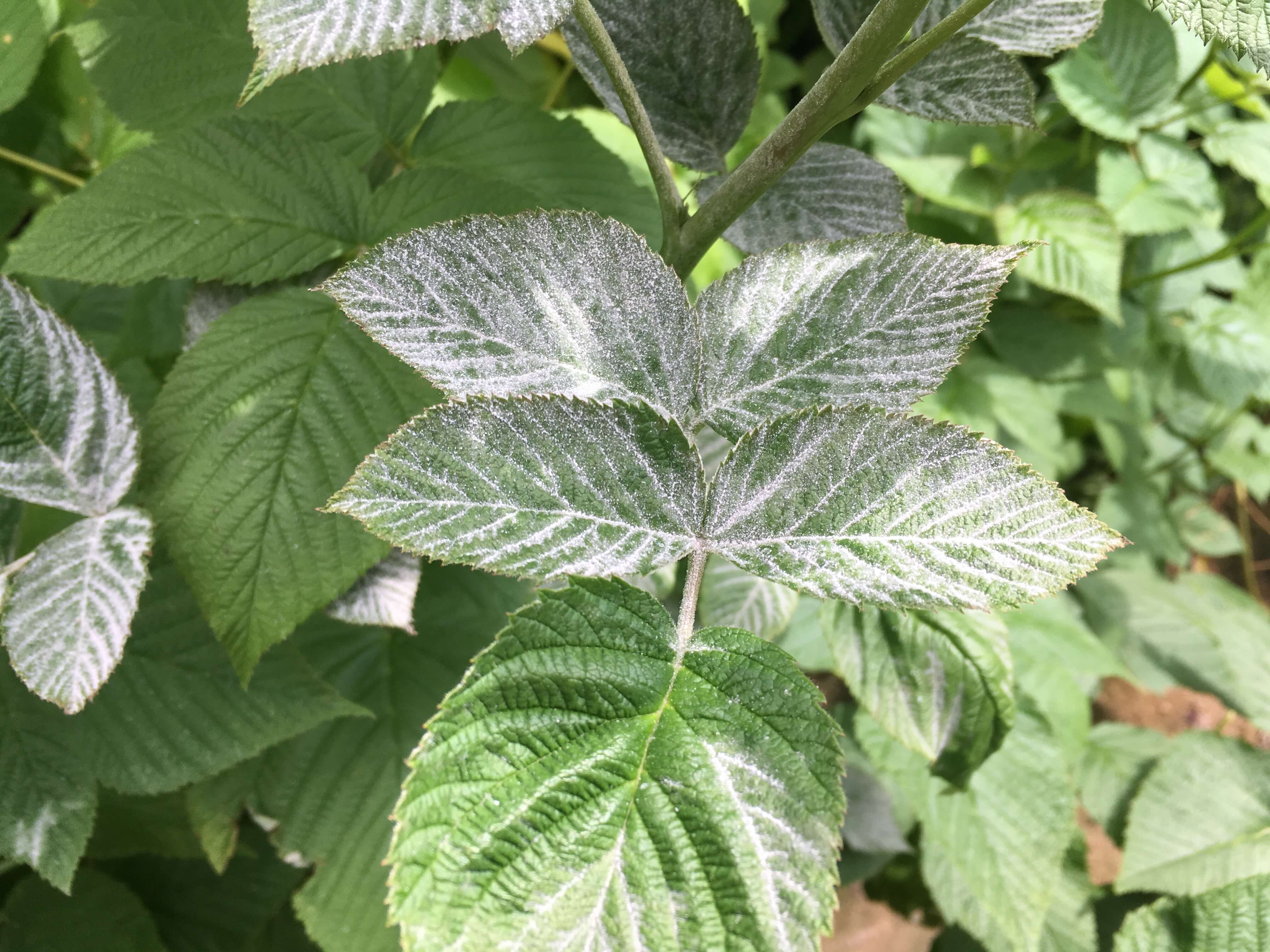
The pathogen Oidium sp. It is a fungus responsible for powdery mildew in various plants, including blackberries. This fungus is an ectoparasite that develops its mycelium superficially on the green parts of plants, such as leaves, shoots and young fruits. The mycelium produces conidiophores that release asexual conidia, which are dispersed mainly by the wind. Once the conidia land on a susceptible tissue, they germinate and produce appressoria that penetrate the plant cuticle, allowing the fungus to extract nutrients from the host. Throughout hot, dry seasons, the fungus proliferates rapidly, forming a visible, powdery white coating on affected parts of the plant. Under adverse conditions, Oidium sp. It can produce resistant structures called cleistothecia, which protect the sexual spores and allow their survival until conditions are favorable again.
SYMPTOMS
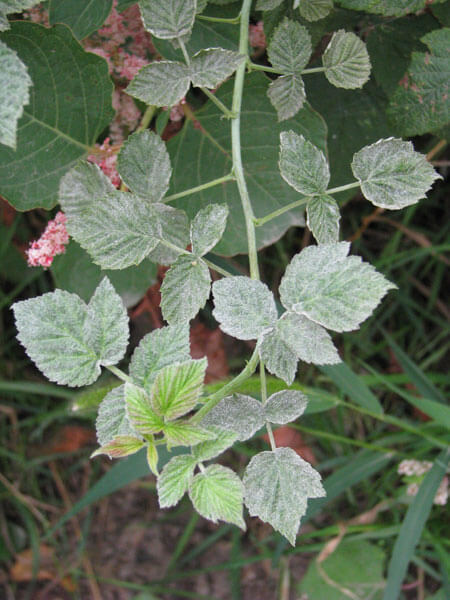
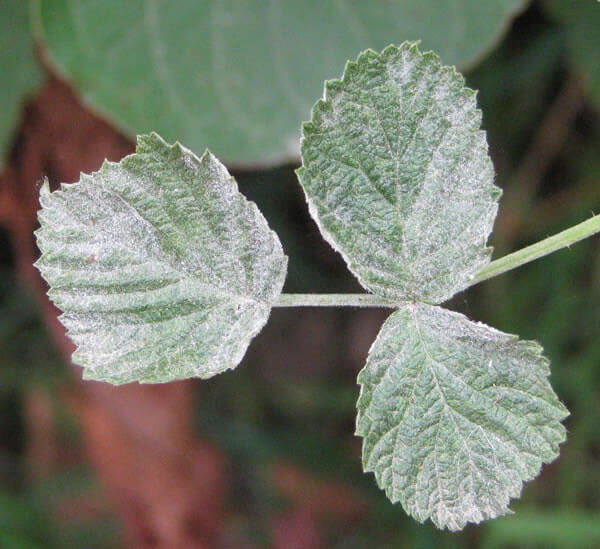
In blackberries, powdery mildew caused by Oidium sp. It manifests itself mainly in the leaves, shoots and young fruits. The affected leaves have a whitish layer on their surface, which affects photosynthesis and reduces the vigor of the plant. In fruits, powdery mildew can cause deformation and discoloration, reducing their quality and commercial value. If left uncontrolled, the disease can lead to a significant decrease in crop yield.
- Whitish layer on the surface of the leaves.
- Reduction of photosynthesis.
- Deformation and discoloration of the fruits.
- Decrease in plant vigor.
- Loss of quality and commercial value of the fruits.
- Reduction in crop yield.


TEMPERATURE AND HUMIDITY
15°C - 25°C
40% - 70%

HOW IS IT SPREAD?
Wind, Physical contact, Contaminated tools, Infected plant material

HOW TO REMOVE IT?
Home remedies
There are no home treatments
Chemical treatments
• ORANGE OIL 60g/L [ME] P/S
• SULFUR 70% [SC] P/V
• SULFUR 72% [SC] P/V
• SULFUR 80% [WG] P/P
• SULFUR 80% [WP] P/P
• SULFUR 82.5% [SC] P/V
• CIFLUFENAMID 5.13% [EW] P/V
• POTASSIUM HYDROGEN CARBONATE 0.425% [AL] P/V
• Penconazole 10% [EC] P/V
• PENCONAZOLE 20% [EW] P/V
Authorized treatments in organic farming
• ORANGE OIL 60g/L [ME] P/S
• SULFUR 70% [SC] P/V
• SULFUR 72% [SC] P/V
• SULFUR 80% [WG] P/P
• SULFUR 80% [WP] P/P
• SULFUR 82.5% [SC] P/V
• POTASSIUM HYDROGEN CARBONATE 0.425% [AL] P/V
Insect allies
PREDATORY MITES
LADYBUGS
LACEWINGS
PARASITIC WASPS
HOVERFLIES OR PARASITIC FLIES
PREDATORY BUGS
There are no natural allies
Mycodiplosis oidii (predatory mosquito)
EFFECTIVE PRODUCTS TO ELIMINATE THIS DISEASE
Sponsored link
Sponsored link


Sponsored link
Sponsored link
Sponsored link


Sponsored link
Sponsored link
Effective against all types of fungi

Sponsored link


Sponsored link
Sponsored link

Sponsored link


Sponsored link
- Regularly monitor the crop to detect the first signs of powdery mildew.
- Use blackberry varieties resistant to powdery mildew.
- Implement adequate crop rotation to reduce pathogen pressure.
- Apply preventive and curative fungicide treatments according to technical recommendations.
- Maintain good air circulation in the crop through adequate plant spacing.
- Avoid sprinkler irrigation that may favor the spread of spores.
- Carry out sanitary pruning to eliminate affected parts and reduce the source of inoculum.
- Apply biological products such as sulfur or potassium bicarbonate to control the fungus.
- Maintain good hygiene in the crop, removing and destroying infected plant remains.
- Use ground covers to reduce the spread of spores.
Recommendations

Enjoy idMicrobe TOTALLY FREE, with no trial periods.


