

Bacteriosis
Soft Rot, Blackleg
Erwinia Carotovora
Pathogen:
Bacterium
Type:
Risk to the plant:
HIGH


DESCRIPTION
WHO CAUSES IT?
Erwinia carotovora is a gram-negative bacteria that causes devastating diseases in a wide variety of plants, including carrots. This bacteria is found in soil and in infected plant remains. It is capable of surviving in adverse conditions, persisting for long periods until it finds a suitable host. It enters plants through wounds or stomata and multiplies rapidly in intercellular tissues. The bacteria produce pectinolytic enzymes that degrade plant cell walls, causing tissue breakdown. This decay is what leads to the characteristic symptoms of soft rot and blackleg. Humid and warm conditions favor the proliferation and spread of Erwinia carotovora, making disease outbreaks more severe under such circumstances.
SYMPTOMS
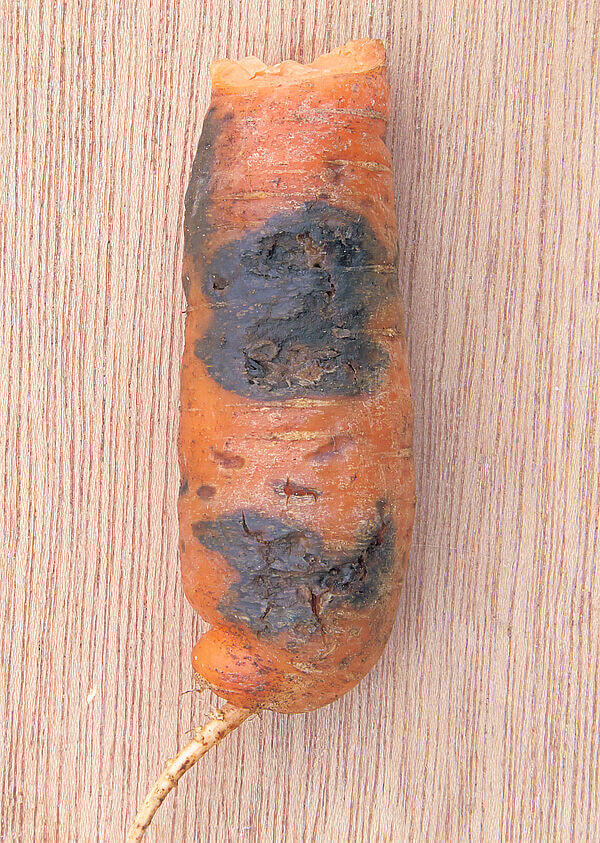
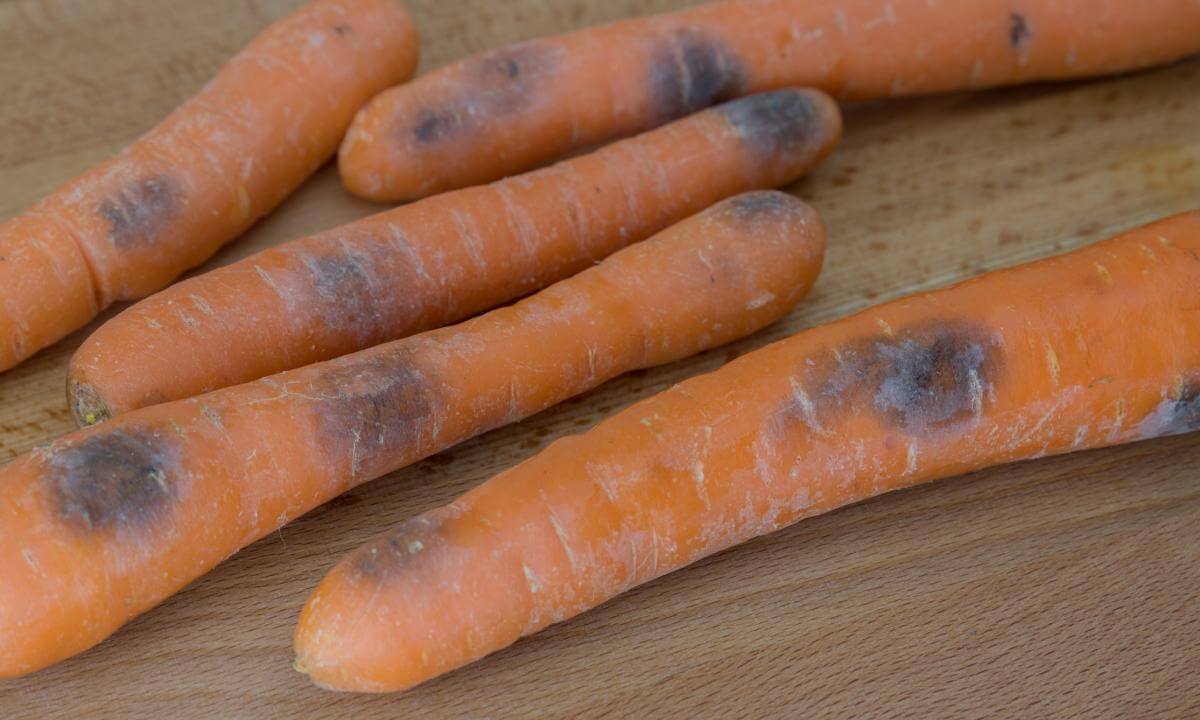
Erwinia carotovora infection in carrot results in a disease known as soft rot and blackleg. This disease is characterized by the rapid and watery decomposition of plant tissues, which affects both the root and the aerial part of the carrot.
- Appearance of watery Taches at the base of the root.
- Soft and smelly decomposition of infected tissues.
- Black discoloration at the base of the stem (black foot).
- Collapse and wilting of the plant.
- Bad smell due to bacterial decomposition.
- Significant reduction in crop quality and yield.


TEMPERATURE AND HUMIDITY
20°C - 30°C
80% - 100%

HOW IS IT SPREAD?
Contaminated irrigation water, Agricultural tools, Contact with infected plant remains, Vector insects, Contaminated soil, Infected seeds

HOW TO REMOVE IT?
Home remedies
There are no home treatments
Chemical treatments
• COPPER OXYCHLORIDE 35% (EXPR. IN CU) [WG] P/P
• COPPER OXYCHLORIDE 37.5% (EXPR. IN CU) [WG] P/P
• COPPER OXYCHLORIDE 38% (EXPR. IN CU) [SC] P/V
• COPPER OXYCHLORIDE 50% (EXPR. IN CU) [WP] P/P
• CUPROCALCIC SULFATE 12.4% (EXPR. IN CU) [SC] P/V
• CUPROCALCIC SULFATE 20% (EXPR. IN CU) [WG] P/P
Authorized treatments in organic farming
• COPPER OXYCHLORIDE 35% (EXPR. IN CU) [WG] P/P
• COPPER OXYCHLORIDE 37.5% (EXPR. IN CU) [WG] P/P
• COPPER OXYCHLORIDE 38% (EXPR. IN CU) [SC] P/V
• COPPER OXYCHLORIDE 50% (EXPR. IN CU) [WP] P/P
• CUPROCALCIC SULFATE 12.4% (EXPR. IN CU) [SC] P/V
• CUPROCALCIC SULFATE 20% (EXPR. IN CU) [WG] P/P
Insect allies
PREDATORY MITES
LADYBUGS
LACEWINGS
PARASITIC WASPS
HOVERFLIES OR PARASITIC FLIES
PREDATORY BUGS
There are no natural allies
Mycodiplosis oidii (predatory mosquito)
EFFECTIVE PRODUCTS TO ELIMINATE THIS DISEASE
Sponsored link
Sponsored link


Sponsored link
Sponsored link
Sponsored link


Sponsored link
Sponsored link
Effective against all types of fungi

Sponsored link


Sponsored link
Sponsored link

Sponsored link


Sponsored link
- Use certified, pathogen-free seeds and seedlings.
- Implement crop rotations to reduce the accumulation of bacteria in the soil.
- Improve soil drainage to avoid excess moisture, which favors the proliferation of bacteria.
- Apply treatments with appropriate bactericides according to technical recommendations.
- Avoid excessive watering and wounds to plants during handling and harvest.
- Disinfect agricultural tools and equipment regularly.
- Eliminate and destroy infected plants and crop remains to reduce inoculum sources.
Recommendations

Enjoy idMicrobe TOTALLY FREE, with no trial periods.


