

Phytophthora
Fruit Rot
Phytophthora Cactorum
Pathogen:
Oomycete
Type:
Risk to the plant:
HIGH

DESCRIPTION
WHO CAUSES IT?
Phytophthora cactorum is a pathogenic oomycete fungus that affects various plants, including the pear tree. It is characterized by producing reproductive structures called sporangia, which release biflagellate spores called zoospores. These zoospores swim in water and find susceptible hosts to initiate infection. Once the zoospores find a suitable tissue, they encyst and germinate, penetrating the plant through wounds or stomata. Subsequently, the fungus colonizes the plant tissues, producing hyphae that spread and damage the host. During favorable environmental conditions, Phytophthora cactorum produces sporangia again, closing the cycle and allowing its spread to new plants.
SYMPTOMS
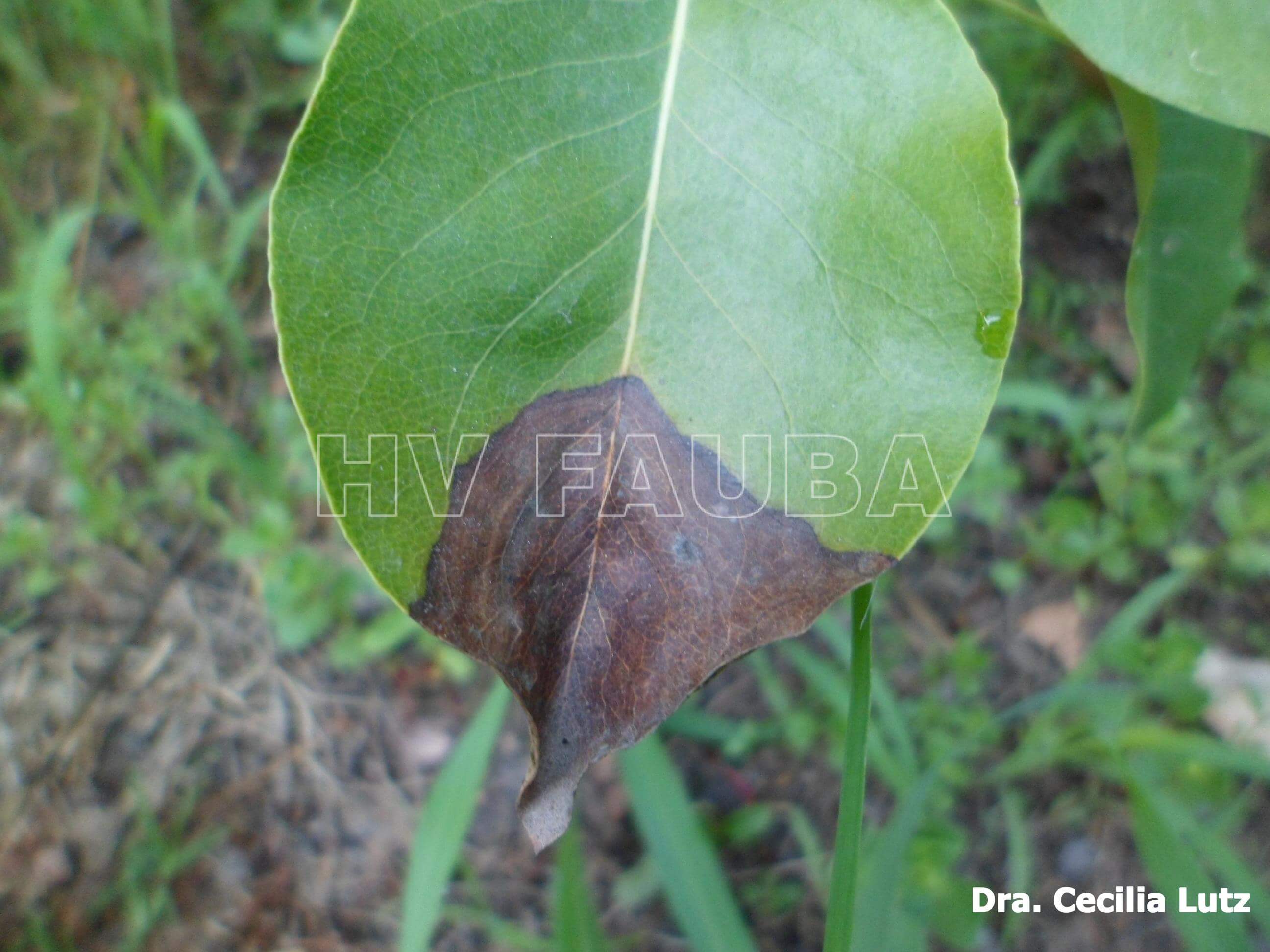
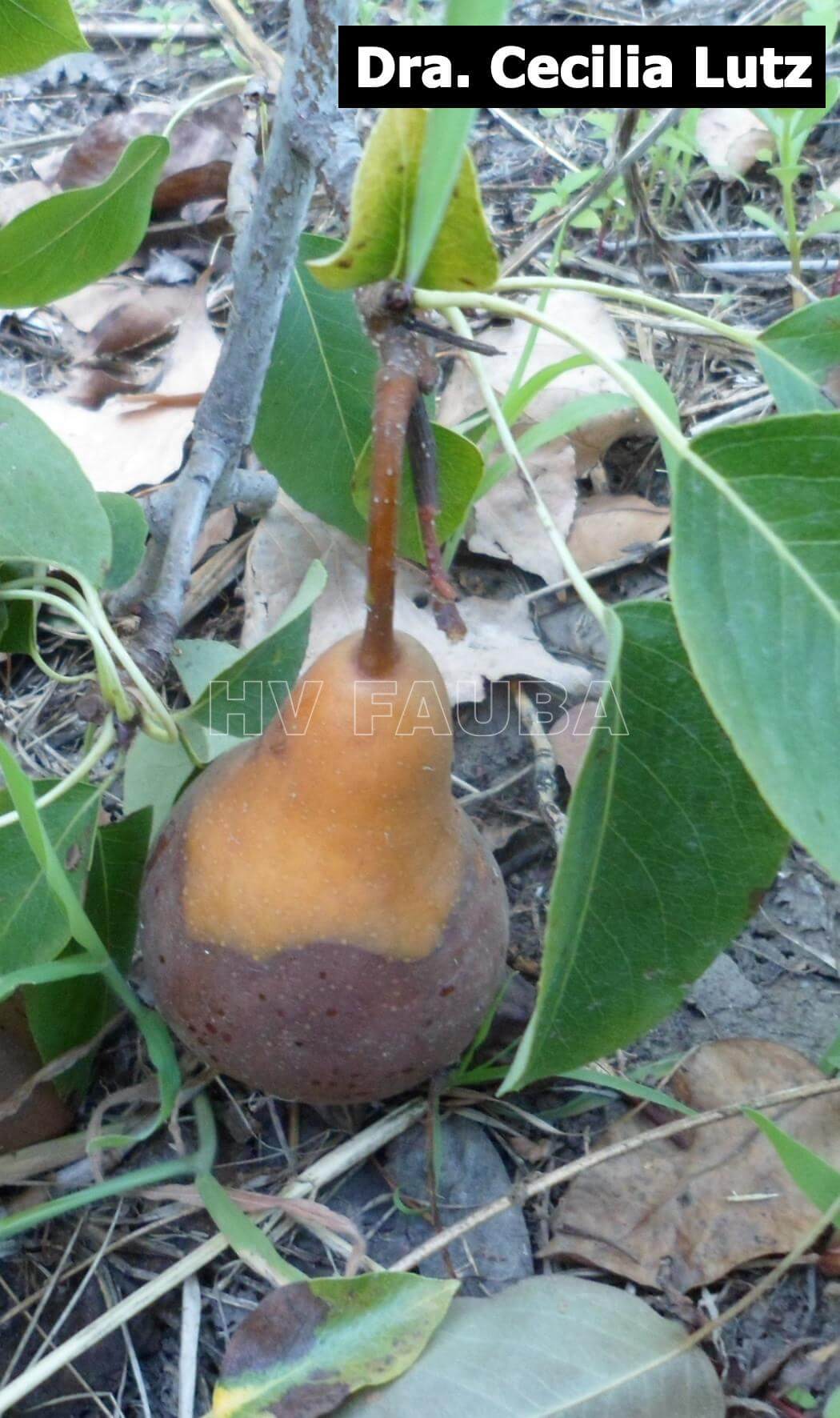
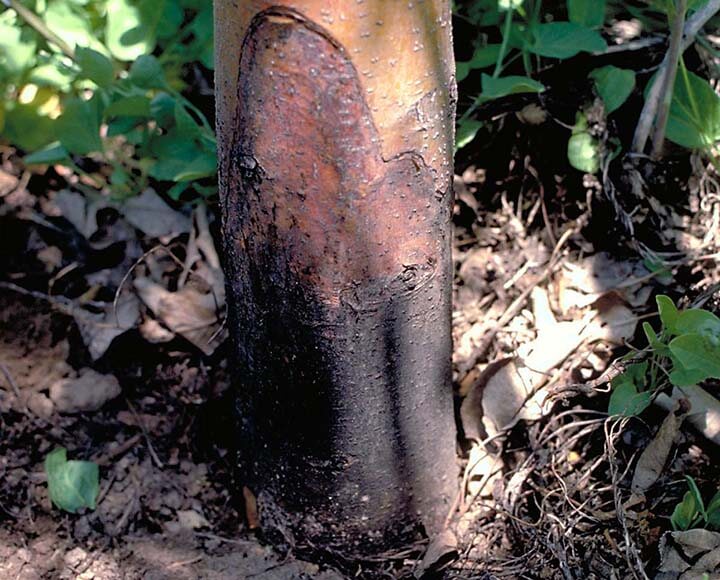
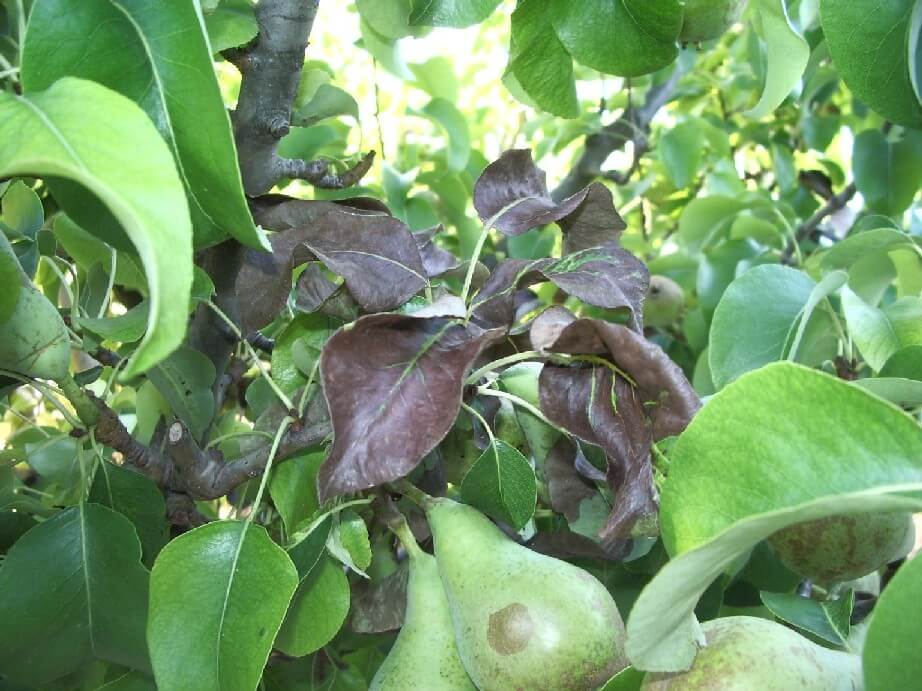
Pear fruit rot caused by Phytophthora cactorum is a devastating disease that occurs mainly in fruits, but can also affect other parts of the plant. Symptoms include soft, watery lesions on fruits, which eventually darken and become necrotic. These lesions can expand rapidly, affecting the quality and marketability of the fruits. The affected fruits usually fall prematurely from the tree. Severe infections can lead to premature fruit drop and general weakening of the tree.
- Watery and soft lesions on the fruits
- Darkening and necrosis of the lesions
- Rapid expansion of lesions
- Premature detachment of fruits
- Premature fruit drop
- General weakening of the tree


TEMPERATURE AND HUMIDITY
20-25°C
80-100%

HOW IS IT SPREAD?
Water, Contaminated tools, Infected plant material, Direct contact between plants, Vector insects, Contaminated soil

HOW TO REMOVE IT?
Home remedies
There are no home treatments
Chemical treatments
• CAPTAN 47.5% [SC] P/V
• CAPTAIN 80% [WG] P/P
• FOSETIL-AL 80% [WG] P/P
• FOSETIL-AL 80% [WP] P/P
• POTASSIUM PHOSPHONATES 50.4% (exp. as phosphorous acid) [SL] P/V
• CUPRIC HYDROXIDE 50% (EXPR. IN CU) [WG] P/P
• CUPRIC HYDROXIDE 50% (EXPR. IN CU) [WP] P/P
• COPPER OXYCHLORIDE (Exp. in Cu) 52% [SC] P/V
• COPPER OXYCHLORIDE 14% (exp. in Cu) + CUPRIC HYDROXIDE 14% (exp. in Cu) [WG] P/P
• COPPER OXYCHLORIDE 25% (EXPR. IN CU) [WG] P/P
• COPPER OXYCHLORIDE 30% (EXPR. IN CU) [WP] P/P
• COPPER OXYCHLORIDE 35% (exp. in Cu) [WG] P/P
• COPPER OXYCHLORIDE 35% (EXPR. IN CU) [WG] P/P
• COPPER OXYCHLORIDE 38% (EXPR. IN CU) [SC] P/V
• COPPER OXYCHLORIDE 50% (EXPR. IN CU) [WG] P/P
• COPPER OXYCHLORIDE 50% (EXPR. IN CU) [WP] P/P
• COPPER OXYCHLORIDE 52% (EXPR. IN CU) [SC] P/V
• CUPROUS OXIDE 50% (EXPR. IN CU) [WP] P/P
• CUPROCALCIC SULFATE 12.4% (EXPR. IN CU) [SC] P/V
• CUPROCALCIC SULFATE 20% (EXPR. IN CU) [WG] P/P
• CUPROCALCIC SULFATE 20% (EXPR. IN CU) [WP] P/P
Authorized treatments in organic farming
• CUPRIC HYDROXIDE 50% (EXPR. IN CU) [WG] P/P
• CUPRIC HYDROXIDE 50% (EXPR. IN CU) [WP] P/P
• COPPER OXYCHLORIDE (Exp. in Cu) 52% [SC] P/V
• COPPER OXYCHLORIDE 14% (exp. in Cu) + CUPRIC HYDROXIDE 14% (exp. in Cu) [WG] P/P
• COPPER OXYCHLORIDE 25% (EXPR. IN CU) [WG] P/P
• COPPER OXYCHLORIDE 30% (EXPR. IN CU) [WP] P/P
• COPPER OXYCHLORIDE 35% (exp. in Cu) [WG] P/P
• COPPER OXYCHLORIDE 35% (EXPR. IN CU) [WG] P/P
• COPPER OXYCHLORIDE 38% (EXPR. IN CU) [SC] P/V
• COPPER OXYCHLORIDE 50% (EXPR. IN CU) [WG] P/P
• COPPER OXYCHLORIDE 50% (EXPR. IN CU) [WP] P/P
• COPPER OXYCHLORIDE 52% (EXPR. IN CU) [SC] P/V
• CUPROUS OXIDE 50% (EXPR. IN CU) [WP] P/P
• CUPROCALCIC SULFATE 12.4% (EXPR. IN CU) [SC] P/V
• CUPROCALCIC SULFATE 20% (EXPR. IN CU) [WG] P/P
• CUPROCALCIC SULFATE 20% (EXPR. IN CU) [WP] P/P
Insect allies
PREDATORY MITES
LADYBUGS
LACEWINGS
PARASITIC WASPS
HOVERFLIES OR PARASITIC FLIES
PREDATORY BUGS
There are no natural allies
Mycodiplosis oidii (predatory mosquito)
EFFECTIVE PRODUCTS TO ELIMINATE THIS DISEASE
Sponsored link
Sponsored link


Sponsored link
Sponsored link
Sponsored link


Sponsored link
Sponsored link
Effective against all types of fungi

Sponsored link


Sponsored link
Sponsored link

Sponsored link


Sponsored link
- Use of resistant rootstocks to minimize the susceptibility of the pear tree.
- Implement adequate water management to avoid waterlogging of the soil.
- Improve soil drainage through cultural practices such as the construction of furrows and raised beds.
- Application of specific fungicides preventively and following technical recommendations.
- Carry out sanitary pruning to eliminate infected tissues and improve ventilation within the crop.
- Maintain adequate hygiene, eliminating plant remains and fallen fruits that may serve as sources of inoculum.
- Regular monitoring of the crop for early detection of symptoms and timely application of control measures.
- Use of monitoring traps to detect the presence of spores in the environment.
Recommendations

Enjoy idMicrobe TOTALLY FREE, with no trial periods.


