

Moho blanco
Root Rot
Armillaria Mellea, Rosellinia Necatrix, Roesleria Hipogea
Pathogen:
Fungus
Type:
Risk to the plant:
CRITICAL

DESCRIPTION
WHO CAUSES IT?
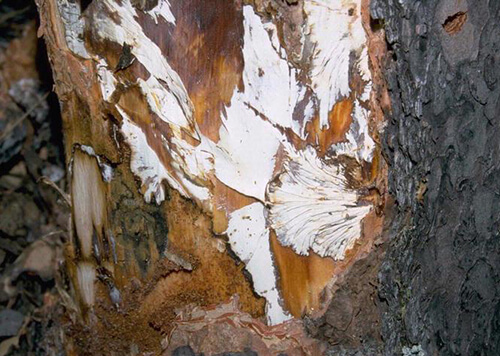
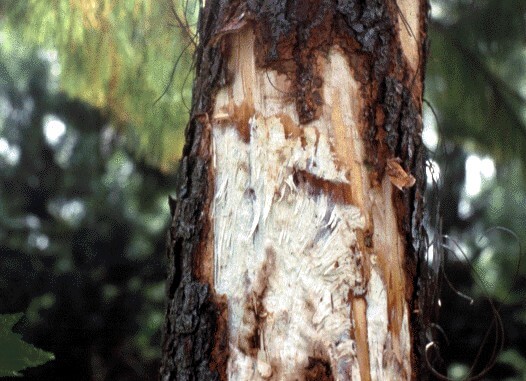
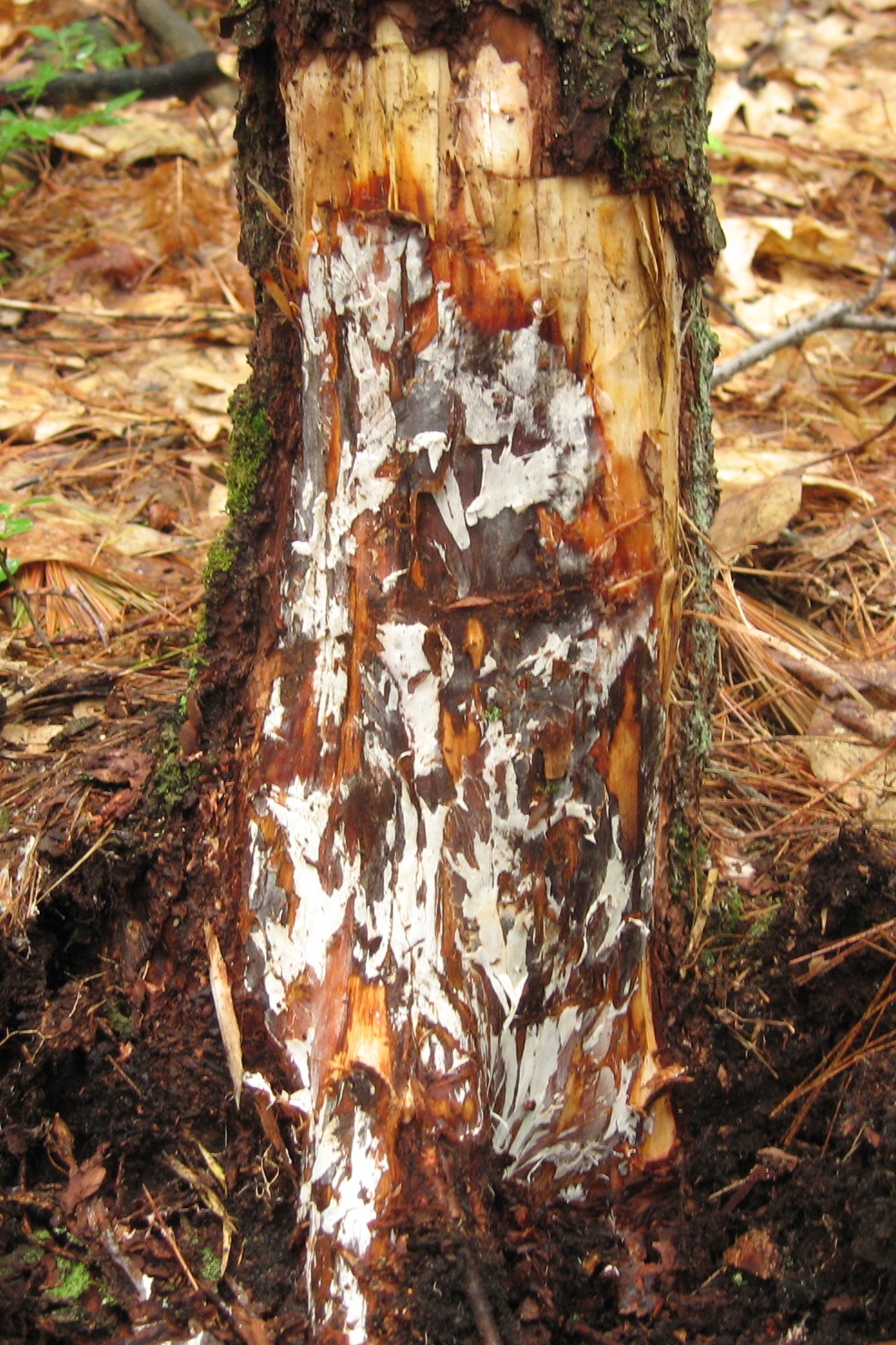
Armillaria mellea, Rosellinia necatrix and Roesleria hypogea are pathogenic fungi responsible for root rot in fig trees. Armillaria mellea is characterized by forming rhizomorphs, root-like structures that allow the fungus to disperse through the soil. This fungus can infect both live and dead roots and form fruiting bodies at the base of affected trees. Rosellinia necatrix spreads through mycelium and spores in the soil, mainly attacking large, weakened roots. This fungus also produces resistance structures called sclerotia, which can remain viable in the soil for years. Roesleria hypogea, less common, is found in calcareous soils and spreads by spores released from fruiting bodies. Each of these fungi penetrates the roots, decomposing the tissue and compromising the plant's vascular system.
SYMPTOMS
Root rot caused by these pathogens in figs or fig trees manifests itself through a series of symptoms that affect the vitality and productivity of the plant. The weakening of the root system prevents adequate absorption of water and nutrients, resulting in the general decay of the tree.
- Wilting of the leaves, especially in periods of water stress.
- Yellowing and premature leaf fall.
- Delay in the growth of new shoots.
- Presence of fungi or fruiting bodies at the base of the trunk.
- Discoloration and necrosis in the roots.
- Reduction in the production and quality of the fruits.
- Progressive death of branches and, in severe cases, of the entire plant.


TEMPERATURE AND HUMIDITY
15-25 °C
60-85 %

HOW IS IT SPREAD?
Contact with infected roots, spores in the soil, contaminated tools, contaminated irrigation water, infected planting material

HOW TO REMOVE IT?
Home remedies
There are no home treatments
Chemical treatments
-
Authorized treatments in organic farming
-
Insect allies
PREDATORY MITES
LADYBUGS
LACEWINGS
PARASITIC WASPS
HOVERFLIES OR PARASITIC FLIES
PREDATORY BUGS
There are no natural allies
Mycodiplosis oidii (predatory mosquito)
EFFECTIVE PRODUCTS TO ELIMINATE THIS DISEASE
Sponsored link
Sponsored link


Sponsored link
Sponsored link
Sponsored link


Sponsored link
Sponsored link
Effective against all types of fungi

Sponsored link


Sponsored link
Sponsored link

Sponsored link


Sponsored link
- Avoid planting fig trees in soil previously infected with these fungi.
- Implement crop rotation practices to reduce the accumulation of pathogens in the soil.
- Use resistant plants or rootstocks tolerant to root rot.
- Improve soil drainage to avoid prolonged wet conditions.
- Apply treatments with specific fungicides to the soil and roots, following technical recommendations.
- Remove and destroy severely affected plants to prevent the spread of the fungus.
- Carry out regular inspection of the roots and base of the trunk to detect early signs of infection.
- Avoid wounds on the roots and neck of the tree, since these are entry doors for fungi.
Recommendations

Enjoy idMicrobe TOTALLY FREE, with no trial periods.


