

Polillas
Prays Or Olive Moth
Prays Oleae
Pathogen:
Insect
Type:
Risk to the plant:
MILD

DESCRIPTION
WHO CAUSES IT?
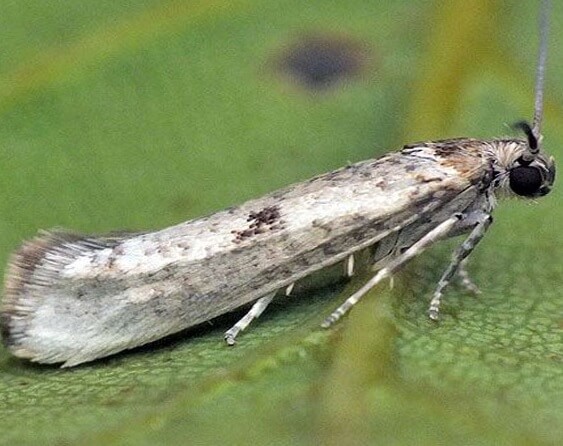
The pathogen Prays oleae is a moth that affects olive trees and is commonly known as the olive moth or prays. Its life cycle is characterized by going through several stages of development: egg, larva, chrysalis and adult. Females lay their eggs on the leaves, fruits or tender branches of olive trees. The larvae hatch from the eggs and feed on the plant parts where they are found, causing significant damage. After completing their development, the larvae become chrysalises, from which adults emerge and continue the cycle.
SYMPTOMS
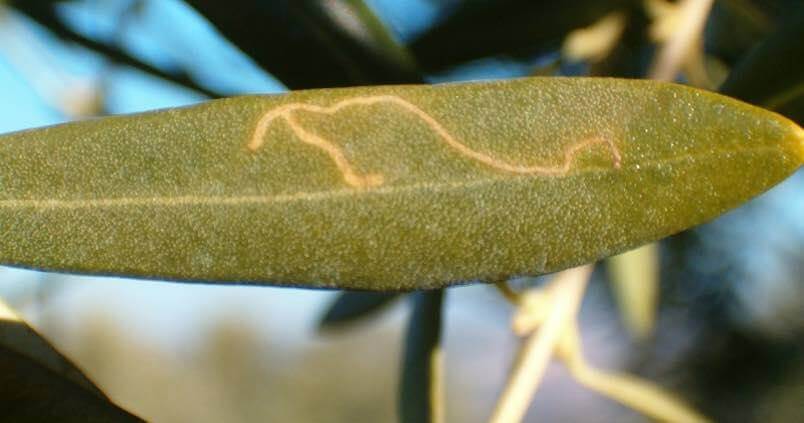
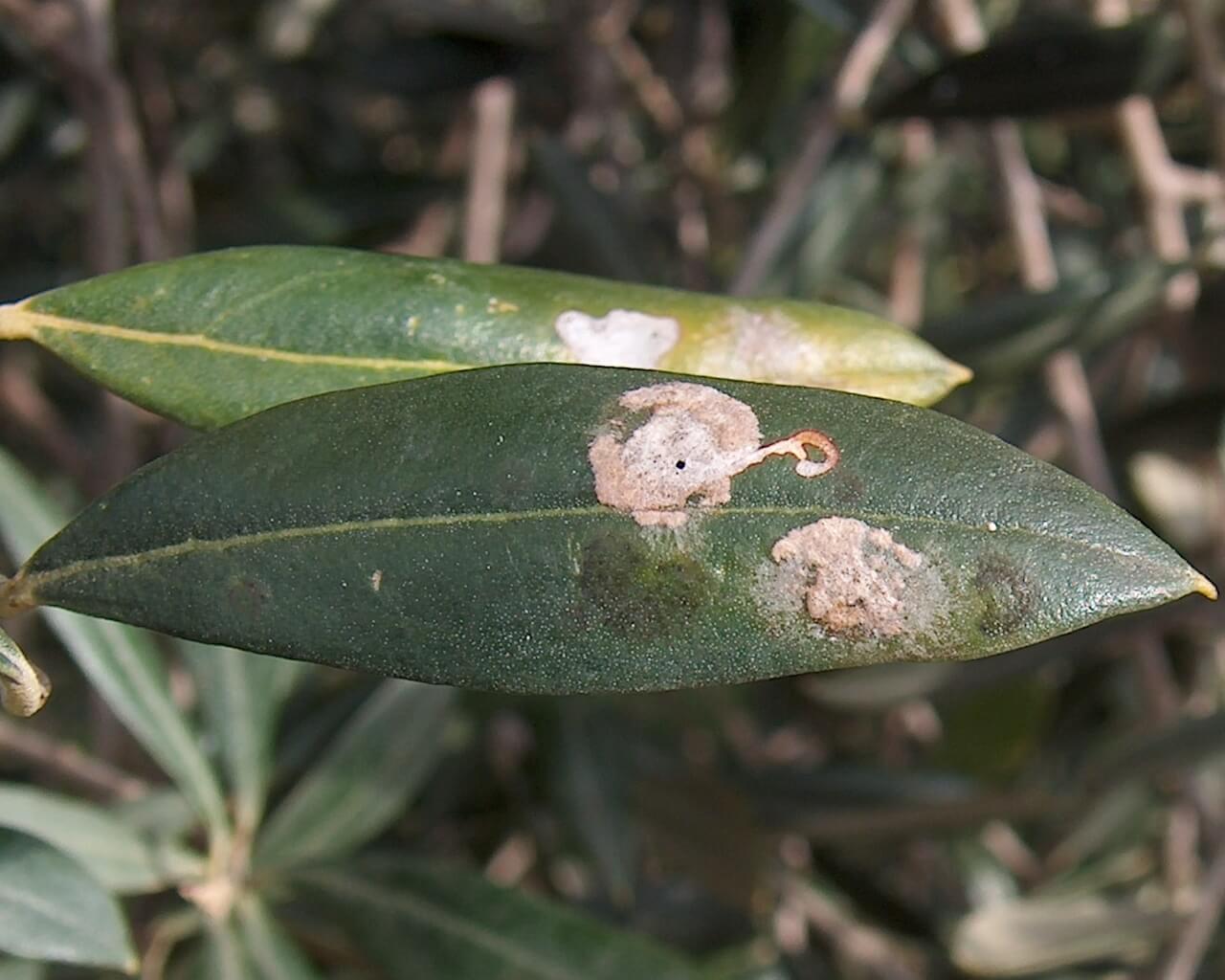
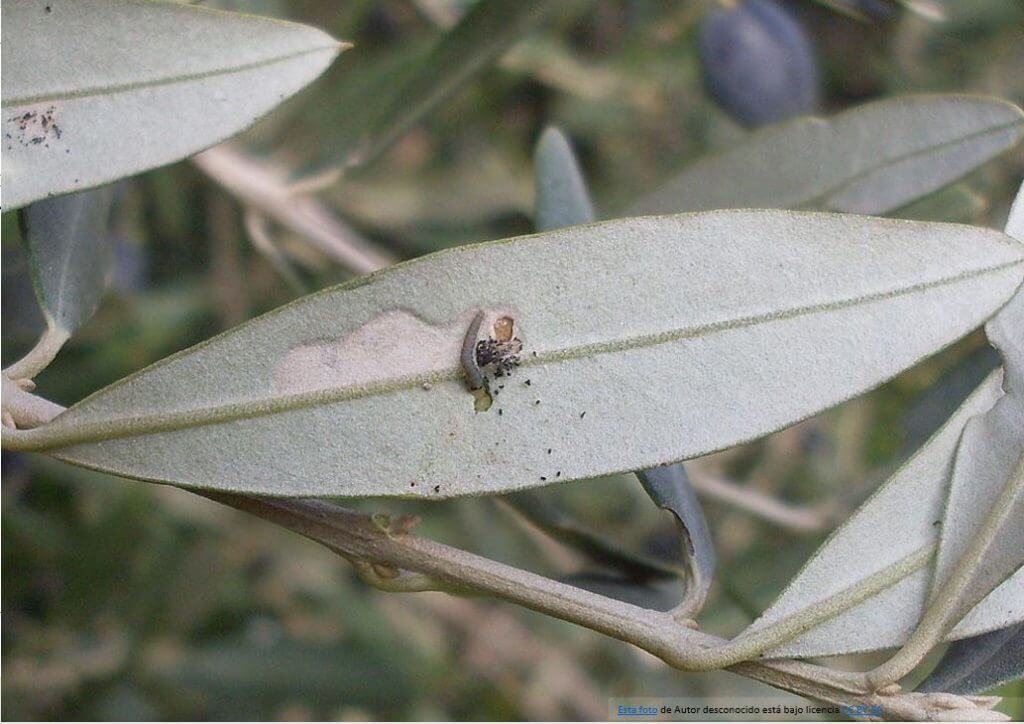
In the olive tree, Prays oleae produces the disease known as prays or olive moth. The damage caused by this insect is multiple, affecting different parts of the plant. The most common symptoms include:
• Damage to leaves, such as bites and holes.
• Damage to tender shoots.
• Damage to fruits, especially young ones, which can fall prematurely.
• Decrease in the quality and quantity of the harvest.


TEMPERATURE AND HUMIDITY
20°C - 25°C
60% - 75%

HOW IS IT SPREAD?
Wind, movement of adults, movement of fruits or infected parts

HOW TO REMOVE IT?
Home remedies
There are no home treatments
Chemical treatments
• ACETAMIPRID 20% [SP] P/P
• CAOLIN 95% [WP] P/P
• CYPERMETHRIN 0.033% [DP] P/P
• CYPERMETHRIN 0.35% [UL] P/V
• CYPERMETHRIN 10% [EC] P/V
• CYPERMETHRIN 5% [EC] P/V
• DELTAMETHRIN 1.57% [SC] P/V
• DELTAMETHRIN 10% [EC] P/V
• DELTAMETHRIN 2.5% [EC] P/V
• ETOFENPROX 28.75% [EC] P/V
• LAMBDA CYHALOTHRIN 1.5% [CS] P/V
• LAMBDA CYHALOTHRIN 10% [CS] P/V
• LAMBDA CYHALOTHRIN 2.5% [WG] P/P
• LAMBDA CYHALOTHRIN 5% [EG] P/P
• SPINETORAM 25% [WG] P/P
Authorized treatments in organic farming
• CAOLIN 95% [WP] P/P
• LAMBDA CYHALOTHRIN 1.5% [CS] P/V
• LAMBDA CYHALOTHRIN 10% [CS] P/V
• LAMBDA CYHALOTHRIN 2.5% [WG] P/P
• LAMBDA CYHALOTHRIN 5% [EG] P/P
Insect allies
PREDATORY MITES
LADYBUGS
LACEWINGS
PARASITIC WASPS
HOVERFLIES OR PARASITIC FLIES
PREDATORY BUGS
There are no natural allies
Mycodiplosis oidii (predatory mosquito)
EFFECTIVE PRODUCTS TO ELIMINATE THIS DISEASE
Sponsored link
Sponsored link


Sponsored link
Sponsored link
Sponsored link


Sponsored link
Sponsored link
Effective against all types of fungi

Sponsored link


Sponsored link
Sponsored link

Sponsored link


Sponsored link
• Carry out regular monitoring to detect and quantify the presence of the moth.
• Use pheromone traps to monitor and capture adults.
• Apply specific insecticides in the stages of greatest susceptibility.
• Promote biodiversity in the olive grove to encourage the natural enemies of the moth.
• Prune affected branches to reduce the moth population.
• Implement appropriate cultural practices, such as the management of pruning and harvest remains, to reduce refuges for the pathogen.
Recommendations

Enjoy idMicrobe TOTALLY FREE, with no trial periods.


