

Bacteriosis
Bacterial Blight
Pseudomonas Syringae
Pathogen:
Bacterium
Type:
Risk to the plant:
HIGH
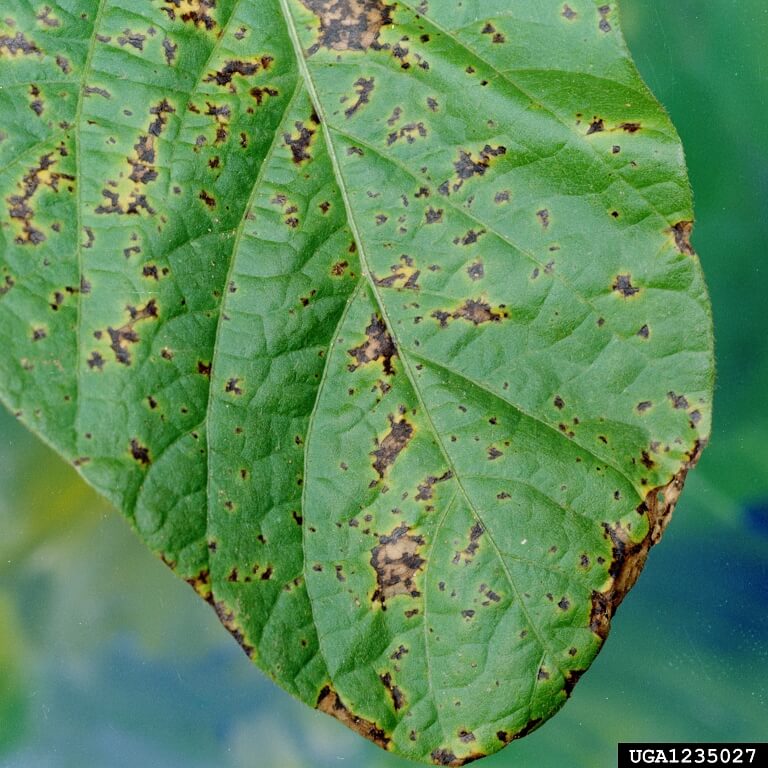
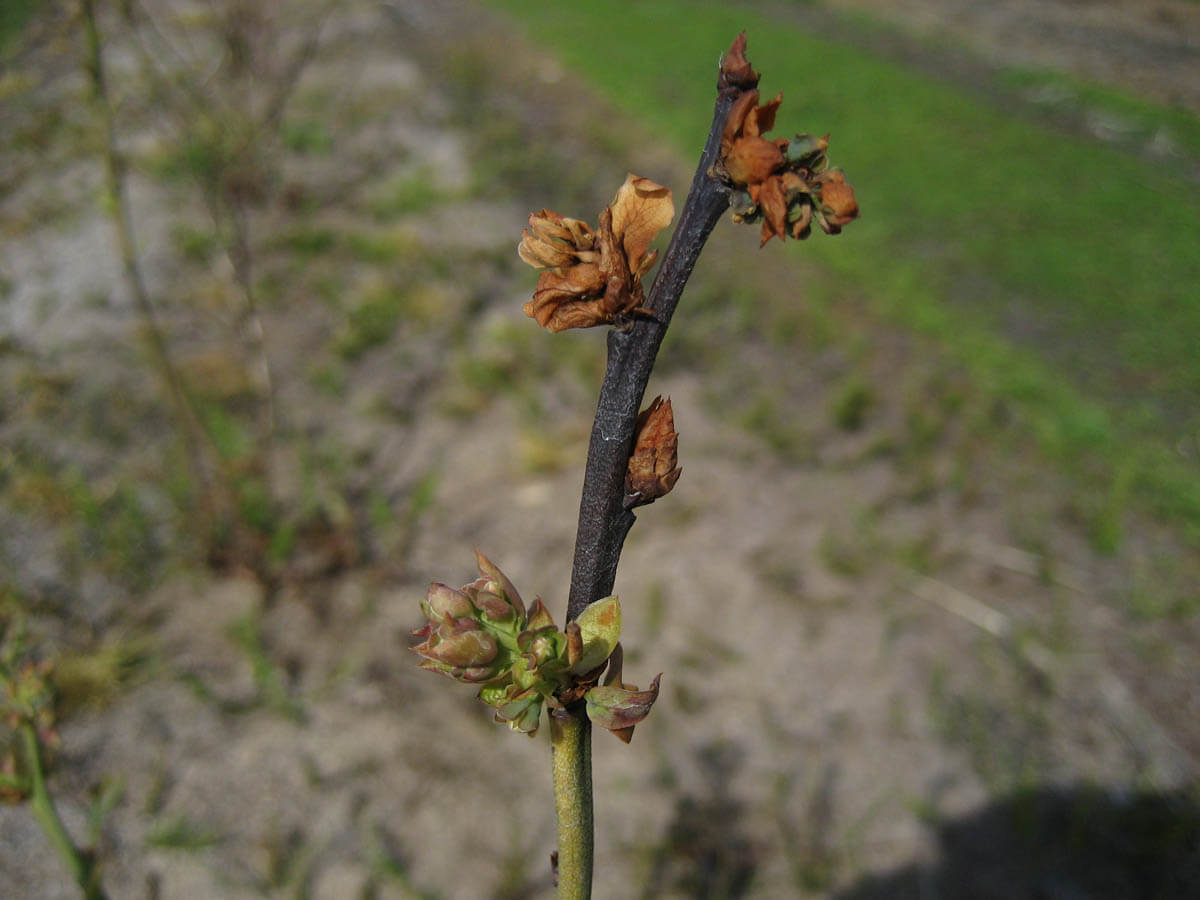

DESCRIPTION
WHO CAUSES IT?
Pseudomonas syringae is a phytopathogenic bacteria that affects a wide variety of plants, including blueberries. This bacteria is highly adaptable and can survive in various environmental conditions, allowing its persistence in soil, plant remains and on the surface of leaves. Pseudomonas syringae is capable of colonizing the surface of plants and penetrating through stomata, wounds or lesions in plant tissues. Once inside the plant, the bacteria multiply rapidly and spread through the vascular system, causing the release of toxins and enzymes that damage plant cells. During wet and cold periods, the bacteria reproduces more effectively, facilitating its spread. Rain, wind and splashing water contribute to the spread of the bacteria to new plants and plant parts, perpetuating the infection cycle.
SYMPTOMS
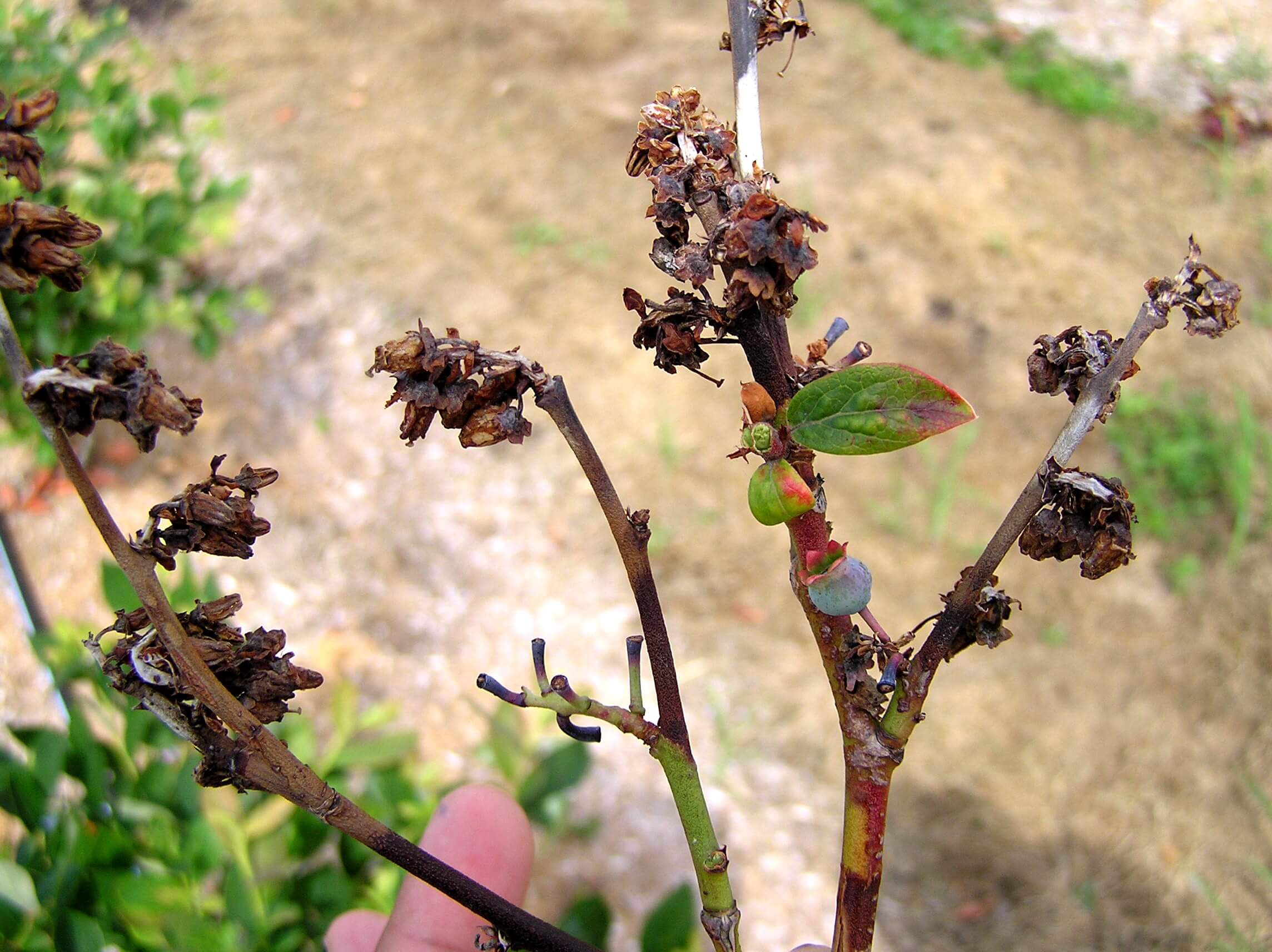
In blueberries, Pseudomonas syringae causes the disease known as bacterial blight, which can have a significant impact on the health and production of the crop. The symptoms of this disease vary depending on the severity of the infection and environmental conditions. The presence of bacterial blight manifests itself in various parts of the plant, affecting both the foliage and the fruits and branches.
- Dark, watery Taches on the leaves.
- Necrosis on the edges and tips of the leaves.
- Necrotic lesions on branches and stems.
- Soft rot in fruits, especially in humid conditions.
- Premature defoliation.
- Reduction in the quality and quantity of fruits.
- Regressive death of affected branches.


TEMPERATURE AND HUMIDITY
12°C - 25°C
70% - 90%

HOW IS IT SPREAD?
Wind, irrigation water, contaminated growing tools, direct contact between plants, infected plant remains

HOW TO REMOVE IT?
Home remedies
There are no home treatments
Chemical treatments
• COPPER OXYCHLORIDE 35% (exp. in Cu) [WG] P/P
• CUPROCALCIC SULFATE 12.4% (EXPR. IN CU) [SC] P/V
Authorized treatments in organic farming
• COPPER OXYCHLORIDE 35% (exp. in Cu) [WG] P/P
• CUPROCALCIC SULFATE 12.4% (EXPR. IN CU) [SC] P/V
Insect allies
PREDATORY MITES
LADYBUGS
LACEWINGS
PARASITIC WASPS
HOVERFLIES OR PARASITIC FLIES
PREDATORY BUGS
There are no natural allies
Mycodiplosis oidii (predatory mosquito)
EFFECTIVE PRODUCTS TO ELIMINATE THIS DISEASE
Sponsored link
Sponsored link


Sponsored link
Sponsored link
Sponsored link


Sponsored link
Sponsored link
Effective against all types of fungi

Sponsored link


Sponsored link
Sponsored link

Sponsored link


Sponsored link
- Select blueberry varieties resistant to Pseudomonas syringae.
- Prevent water accumulation in the foliage and improve soil drainage.
- Implement proper pruning practices to remove infected parts and improve air circulation.
- Disinfect pruning and growing tools after each use to prevent the spread of bacteria.
- Apply treatments with copper bactericides during periods of highest risk of infection.
- Reduce the planting density to avoid direct contact between plants.
- Avoid sprinkler irrigation, which can favor the dispersion of bacteria.
- Regularly monitor plants to detect early symptoms and act quickly.
- Incorporate integrated pest management practices to keep plants healthy and less susceptible to infections.
- Carry out crop rotation to reduce the presence of bacteria in the soil.
- Use plant covers or mulching to reduce water splashing from the soil onto the plants.
Recommendations

Enjoy idMicrobe TOTALLY FREE, with no trial periods.


