

Psilas
Psyllas
Psyllas
Pathogen:
Insect
Type:
Risk to the plant:
HIGH
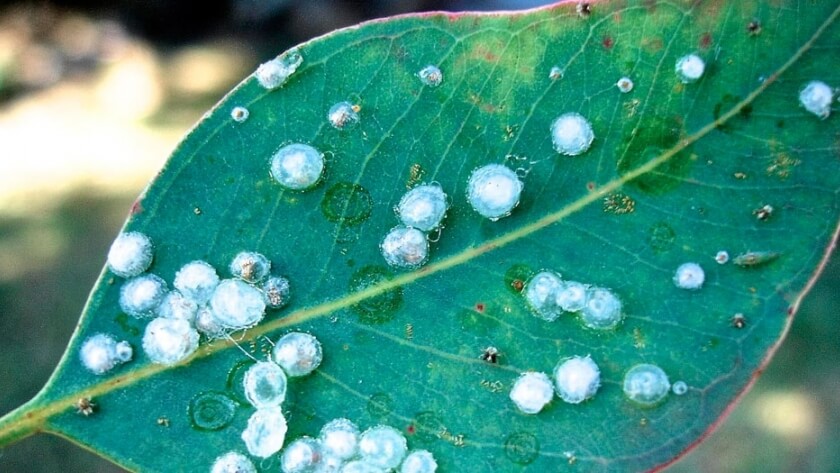
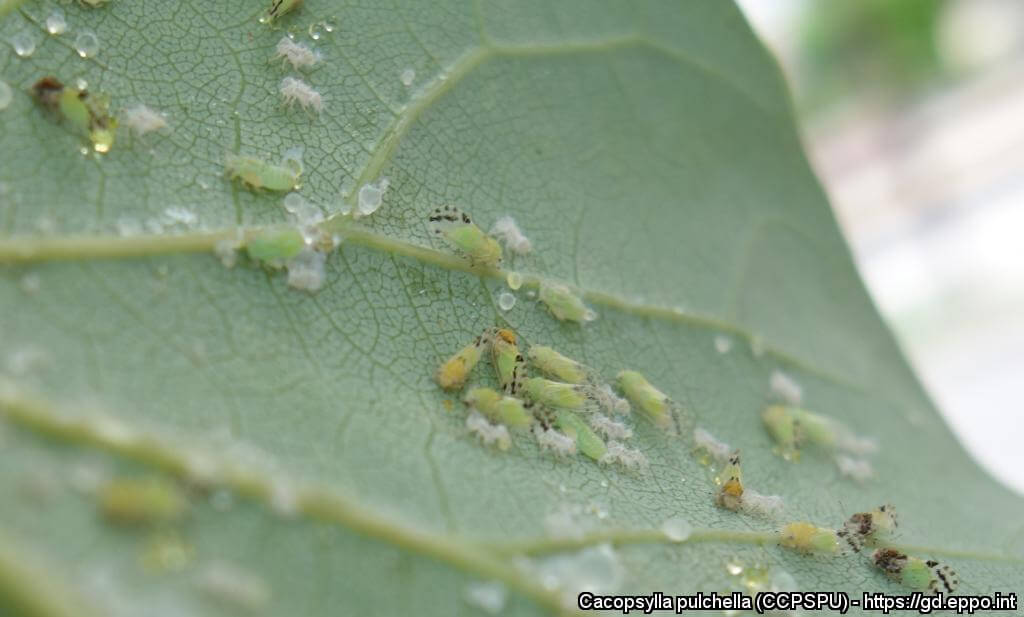

DESCRIPTION
WHO CAUSES IT?
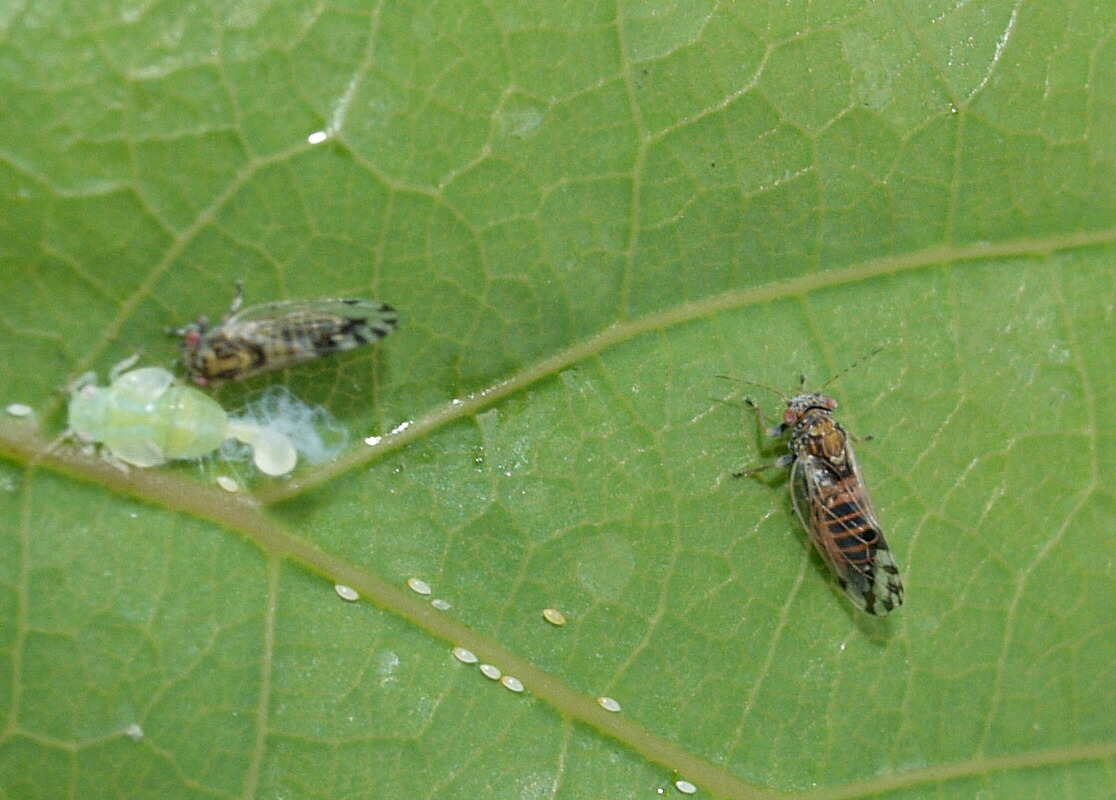
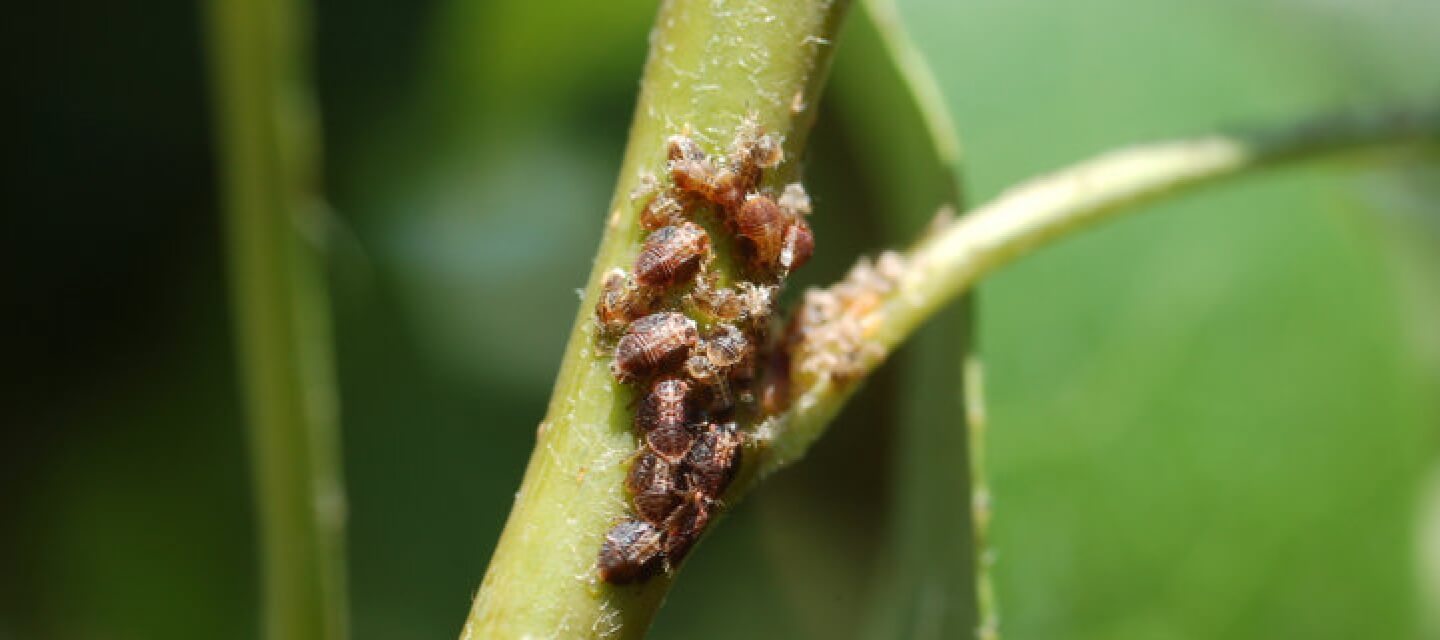
Psilas are small insects of the order Hemiptera, known for their appearance similar to that of a miniature cicada. They are phytophagous, and many species are specialized on certain plants. Adult females lay eggs on young shoots, veins or at the base of leaves. Upon hatching, the nymphs feed by sucking sap from tender plant tissues, which causes a defense response in the plant and an alteration of normal development. As nymphs grow, they go through several nymphal stages, remaining on the same host or migrating short distances. During these stages, they secrete a sticky substance known as honeydew, which promotes the development of sooty mold. Once the adult phase has been reached, the insect acquires the ability to fly, which allows it to colonize new areas and continue the reproduction process. In warm and temperate climates they can have several generations per year, especially when there are favorable temperature conditions and availability of tender shoots.
SYMPTOMS
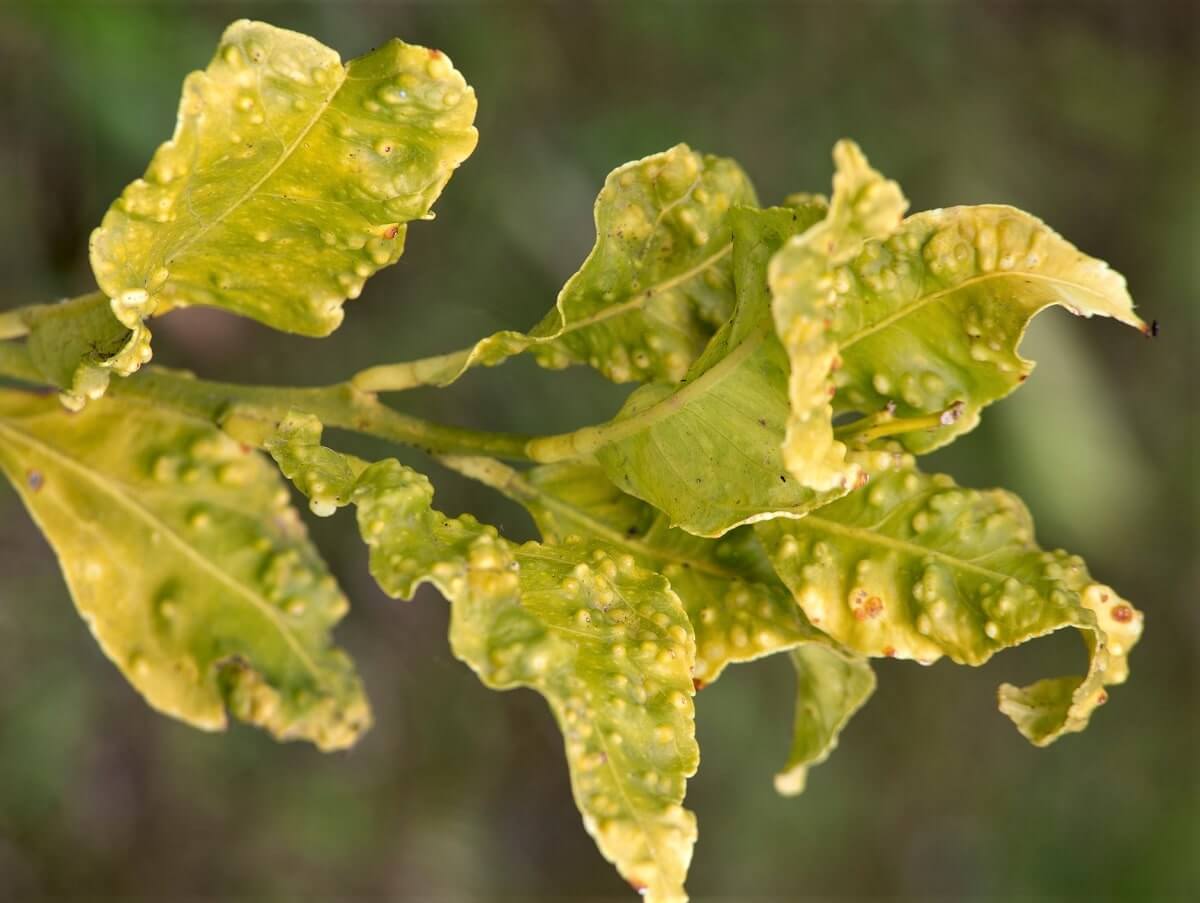
The presence of psylla in plants causes a disease that mainly affects young tissues, such as buds, new leaves and flowers. The suction of sap and the injection of salivary toxins alter normal growth, reduce photosynthesis and promote secondary infections due to the secreted honeydew. In severe infestations, they can compromise the vigor of the plant and its productivity.
- Curling and deformation of shoots and leaves
- Presence of sticky molasses on plant surfaces
- Development of sooty mold on molasses
- Abnormal or poor sprouting of buds
- General loss of vigor
- Premature fall of leaves or flowers
- Visible presence of insects in the tender parts of the plant

TEMPERATURE AND HUMIDITY
18 °C – 30 °C
50 % – 80 %

HOW IS IT SPREAD?
Infested plants, Wind, Agricultural tools, Plant material, Transport of seedlings, Movement of winged adults

HOW TO REMOVE IT?
Home remedies
There are no home treatments
Chemical treatments
• RAPE OIL 1.53% [AL] P/V
• RAPE OIL 848.24 g/l [EC] P/V
• ORANGE OIL 60g/L [ME] P/V
• PARAFFIN OIL (CAS [97862-82-3]) 40% [EW] P/V
• PARAFFIN OIL (CAS [97862-82-3]) 80% [EC] P/V
• ACETAMIPRID 20% [SP] P/P
• CYPERMETHRIN 10% [EC] P/V
• DELTAMETHRIN 1.5% [EW] P/V
• DELTAMETHRIN 1.57% [SC] P/V
• DELTAMETHRIN 10% [EC] P/V
• DELTAMETHRIN 2.5% [EC] P/V
• DELTAMETHRIN 2.5% [EW] P/V
• ESFENVALERATE 2.5% [EC] P/V
• ESFENVALERATE 5% [EC] P/V
• ESFENVALERATO 5% [EW] P/V
• PHENPIROXIMATE 5.12% [SC] P/V
• LAMBDA CYHALOTHRIN 1.5% [CS] P/V
• LAMBDA CYHALOTHRIN 10% [CS] P/V
• LAMBDA CYHALOTHRIN 5% [EG] P/P
• POTASSIUM SALTS OF FATTY ACIDS C14-C20 48% [EW] P/V
• TAU-FLUVALINATE 24% [EW] P/V
Authorized treatments in organic farming
• RAPE OIL 1.53% [AL] P/V
• RAPE OIL 848.24 g/l [EC] P/V
• ORANGE OIL 60g/L [ME] P/V
• PARAFFIN OIL (CAS [97862-82-3]) 40% [EW] P/V
• PARAFFIN OIL (CAS [97862-82-3]) 80% [EC] P/V
• LAMBDA CYHALOTHRIN 1.5% [CS] P/V
• LAMBDA CYHALOTHRIN 10% [CS] P/V
• LAMBDA CYHALOTHRIN 5% [EG] P/P
• POTASSIUM SALTS OF FATTY ACIDS C14-C20 48% [EW] P/V
Insect allies
PREDATORY MITES
LADYBUGS
LACEWINGS
PARASITIC WASPS
HOVERFLIES OR PARASITIC FLIES
PREDATORY BUGS
There are no natural allies
Mycodiplosis oidii (predatory mosquito)
EFFECTIVE PRODUCTS TO ELIMINATE THIS DISEASE
Sponsored link

Sponsored link


Sponsored link
Sponsored link
Sponsored link


Sponsored link
Sponsored link
Effective against all types of fungi

Sponsored link


Sponsored link
Sponsored link

Sponsored link


Sponsored link
- Carry out frequent monitoring, especially in spring and early summer, to detect early populations.
- Promote the presence of natural enemies such as hoverflies, lacewings and ladybugs, avoiding the use of broad-spectrum insecticides.
- Prune and eliminate severely affected shoots to reduce sources of food and reproduction.
- Avoid excess nitrogen fertilization that favors the development of tender shoots that are very attractive to psylla.
- Use yellow sticky traps to detect adults in flight.
- Apply specific insecticide treatments in case of severe outbreaks, respecting the recommended action thresholds.
- Alternate active ingredients in treatments to avoid the selection of resistant populations.
- Maintain the general health of the crop and eliminate weeds that may serve as shelter.
- In sensitive crops, opt for physical barriers such as mesh to prevent adult access.
- Implement integrated management programs that combine chemical, biological and cultural control.
Recommendations

Enjoy idMicrobe TOTALLY FREE, with no trial periods.


