

Orugas o gusanos
Black donut or prodenia: what it is, how it originates, and how to effectively eliminate it
Black Donut Or Prodenia
Spodoptera Littoralis
Pathogen:
Insect
Type:
Risk to the plant:
HIGH
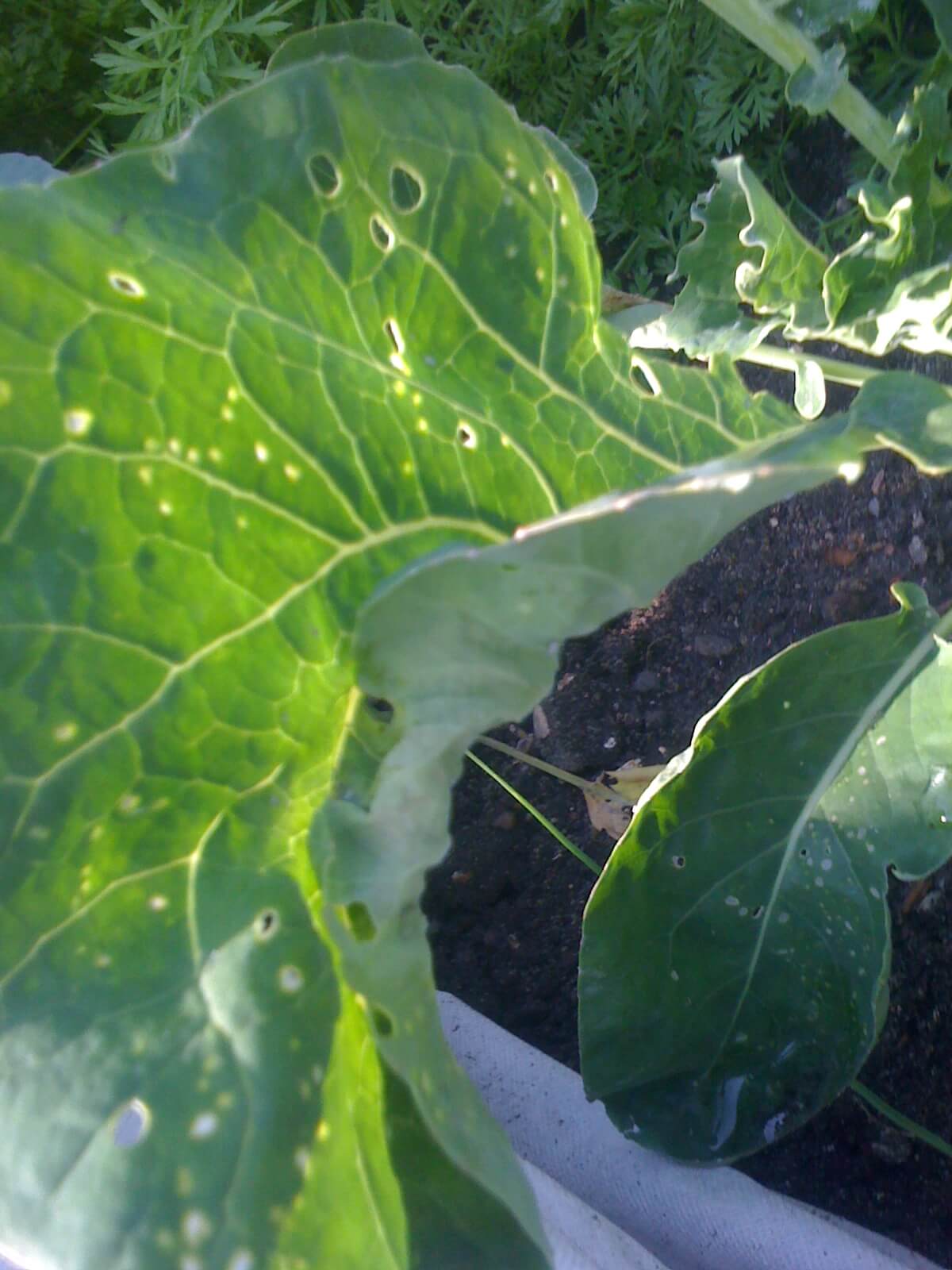


DESCRIPTION
WHO CAUSES IT?
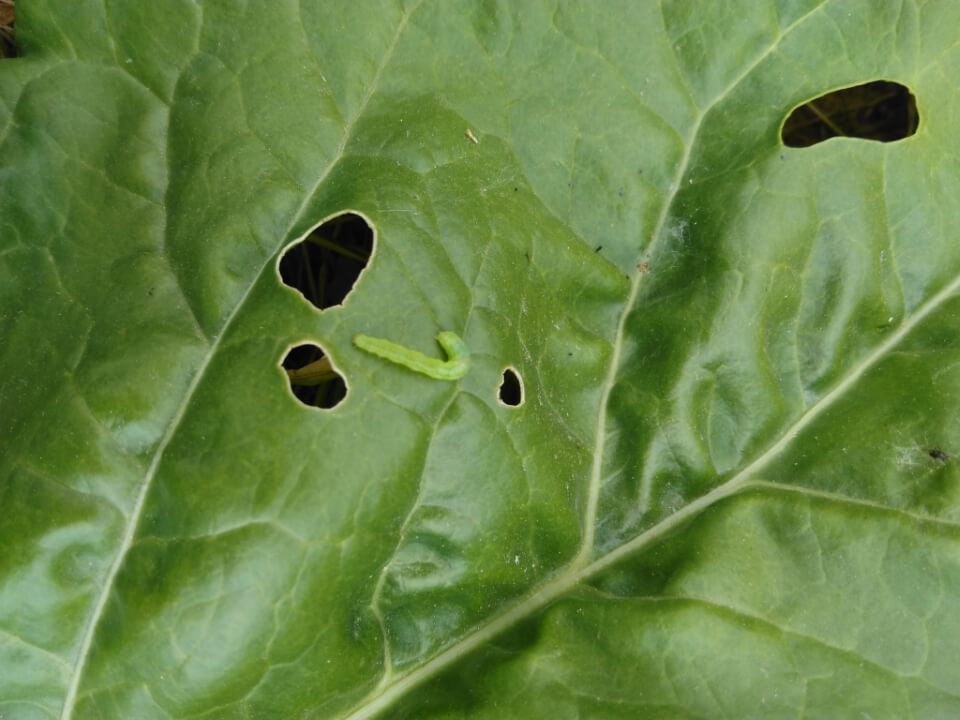
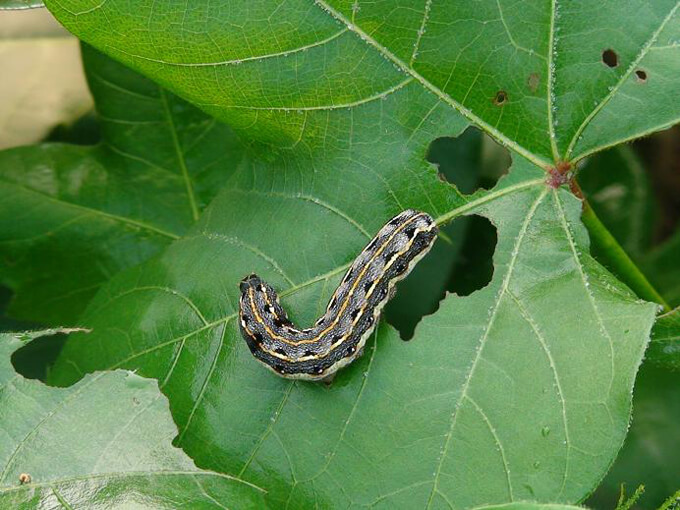
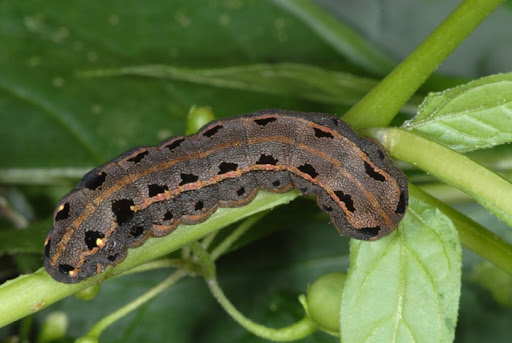
Spodoptera littoralis, commonly known as the black donut or Prodenia, is a lepidopteran insect of the family Noctuidae. This insect is highly polyphagous and can affect a wide variety of crops. Adult females lay their eggs on the underside of leaves, usually in groups. Once the eggs hatch, the larvae go through several stages of development, known as larval stages, during which they feed voraciously on the leaves, stems and fruits of the host plants. Mature larvae burrow into the soil to pupate, where they transform into pupae before emerging as adults. Adults are nocturnal and have a relatively short lifespan, during which they mate and lay eggs to start a new cycle. The ability of S. littoralis to reproduce rapidly and its adaptation to various environmental conditions contribute to its persistence and expansion in various agricultural regions.
SYMPTOMS
The disease caused by Spodoptera littoralis in sugar beet is mainly manifested through mechanical damage that the larvae inflict when feeding. This damage can be severe and affect both the yield and quality of the crop. The larvae feed on the leaves, creating perforations and skeletonization of the leaf tissue, which reduces the photosynthetic capacity of the plant. In severe infestations, the larvae may also attack the stems and surface roots, further weakening the plants and making them susceptible to secondary infections.
- Perforations in the leaves.
- Skeletonization of leaf tissue.
- Damage to the stems.
- Attacks on superficial roots.
- Reduction of photosynthetic capacity.
- General weakening of the plant.

TEMPERATURE AND HUMIDITY
20°C - 30°C
60% - 80%

HOW IS IT SPREAD?
Wind, direct contact with infected plants, transfer of contaminated soil, agricultural tools, infected plant material

HOW TO REMOVE IT?
Home remedies
There are no home treatments
Chemical treatments
• DELTAMETHRIN 2.5% [EC] P/V
• DELTAMETHRIN 2.5% [EW] P/V
• ESFENVALERATE 5% [EC] P/V
• Spodoptera littoralis (Pheromone)
Authorized treatments in organic farming
• Spodoptera littoralis (Pheromone)
Insect allies
PREDATORY MITES
LADYBUGS
LACEWINGS
PARASITIC WASPS
HOVERFLIES OR PARASITIC FLIES
PREDATORY BUGS
There are no natural allies
Mycodiplosis oidii (predatory mosquito)
EFFECTIVE PRODUCTS TO ELIMINATE THIS DISEASE
Sponsored link

Sponsored link


Sponsored link
Sponsored link
Sponsored link


Sponsored link
Sponsored link
Effective against all types of fungi

Sponsored link


Sponsored link
Sponsored link

Sponsored link


Sponsored link
- Carry out regular monitoring of crops to detect the presence of eggs and early larvae.
- Implement crop rotations to interrupt the life cycle of the insect.
- Use pheromone traps to attract and capture adults.
- Apply treatments with specific insecticides when larval populations exceed economic damage thresholds.
- Introduce natural enemies such as parasitoids and predators that can reduce Spodoptera littoralis populations.
- Keep the field clean of weeds, which can serve as alternative hosts for the larvae.
- Use soil covers to make it difficult for larvae to access plants and reduce the areas where they can pupate.
- Implement cultivation techniques that promote vigorous and healthy plants, less susceptible to damage.
- Consult with agronomists and specialists in integrated pest management to adopt the best practices according to the region and type of crop.
Recommendations

Enjoy idMicrobe TOTALLY FREE, with no trial periods.


