

Orugas o gusanos
Green doughnut or gardama: what it is, how it originates, and how to eliminate it effectively
Green Donut Or Gardama
Spodoptera Exigua
Pathogen:
Insect
Type:
Risk to the plant:
CRITICAL
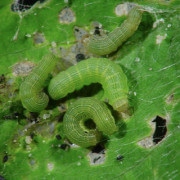
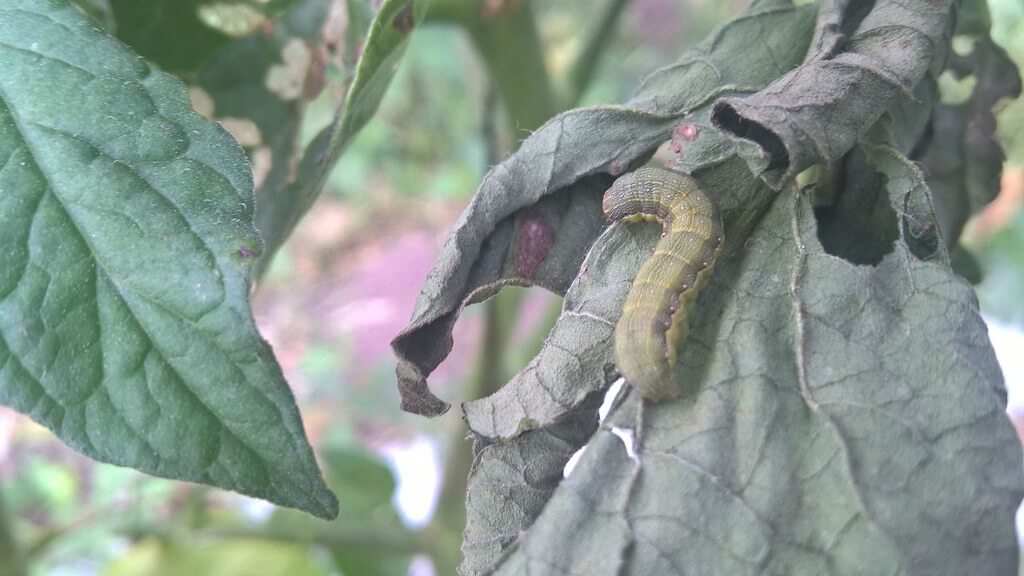

DESCRIPTION
WHO CAUSES IT?
Spodoptera exigua, commonly known as the green donut or gardama, is a lepidopteran of the Noctuidae family that affects a wide variety of crops. This pest goes through several stages of development: egg, larva, pupa and adult. The eggs are laid in masses on the leaves of the celery and hatch in a few days. The young larvae are small and green, but as they grow they go through several molts, reaching their maximum size in about two weeks. During this larval phase, they feed voraciously on the leaves and other tender parts of the plant. The larvae then descend to the soil to pupate, pupating in a silk cocoon mixed with soil particles. Eventually, the adults emerge from the ground, mating and repeating the cycle, which can lead to multiple generations in a single year depending on weather conditions.
SYMPTOMS
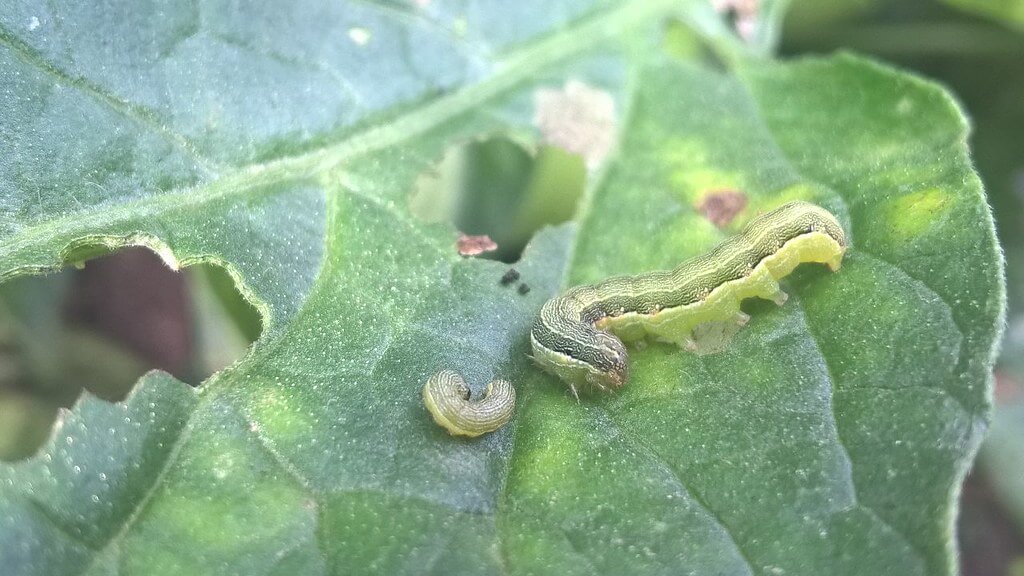
The disease known as green donut or gardama, caused by Spodoptera exigua, significantly affects celery. The larvae of this pest feed on the leaves, stems and roots, causing extensive damage that weakens the plant and reduces its photosynthetic capacity. Early signs of infestation include the appearance of small holes in the leaves and damage to the leaf edges, progressing to further tearing and consumption of plant tissue. In severe infestations, plants can become completely defoliated and in extreme cases, die.
- Small holes in the leaves.
- Damage to the leaf edges.
- Tearing of plant tissue.
- Extensive consumption of leaves.
- Complete defoliation in severe cases.
- Death of the plant in extreme infestations.


TEMPERATURE AND HUMIDITY
20-30°C
60-80%

HOW IS IT SPREAD?
Direct contact, Wind, Contaminated plant material, Agricultural machinery, Adult dispersal

HOW TO REMOVE IT?
Home remedies
There are no home treatments
Chemical treatments
• CHLORANTRANILIPROL 35% [WG] P/P
• Spodoptera exigua (Pheromone)
Authorized treatments in organic farming
• Spodoptera exigua (Pheromone)
Insect allies
PREDATORY MITES
LADYBUGS
LACEWINGS
PARASITIC WASPS
HOVERFLIES OR PARASITIC FLIES
PREDATORY BUGS
There are no natural allies
Mycodiplosis oidii (predatory mosquito)
EFFECTIVE PRODUCTS TO ELIMINATE THIS DISEASE
Sponsored link
Sponsored link


Sponsored link
Sponsored link
Sponsored link


Sponsored link
Sponsored link
Effective against all types of fungi

Sponsored link


Sponsored link
Sponsored link

Sponsored link


Sponsored link
- Carry out frequent monitoring of the crop to detect the first signs of infestation.
- Use pheromone traps to monitor the presence of adults and plan control.
- Implement crop rotation to interrupt the life cycle of the pest.
- Apply biological insecticides such as Bacillus thuringiensis to control young larvae.
- Promote biological control through the conservation of natural enemies such as parasitoid wasps and predators.
- Maintain adequate management of crop residues to reduce sources of inoculum.
- Practice adequate irrigation management to avoid favorable conditions for the pest.
- Implement physical barriers such as nets or protective covers to prevent moths from oviposition.
Recommendations

Enjoy idMicrobe TOTALLY FREE, with no trial periods.


