

Orugas o gusanos
Green doughnut or gardama: what it is, how it originates, and how to eliminate it effectively
Green Donut Or Gardama
Spodoptera Exigua
Pathogen:
Insect
Type:
Risk to the plant:
HIGH

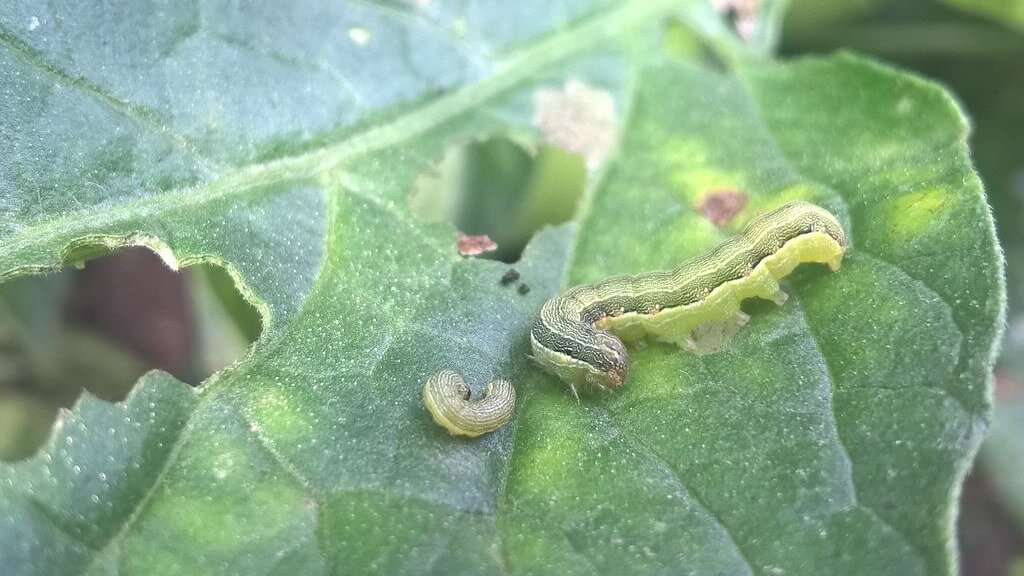

DESCRIPTION
WHO CAUSES IT?
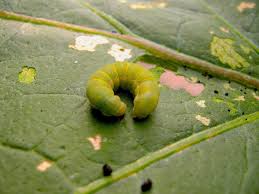
Spodoptera exigua, known as the green donut or gardama, is a moth of the family Noctuidae. Adults emerge from the ground in spring and disperse to feed and mate. Females lay their eggs in groups on the surface of beet leaves. The larvae hatch and go through five larval stages, during which they feed voraciously on the leaves and other parts of the plant. In their last stage, the larvae go down to the ground to pupate. The cycle is completed with the emergence of new adult moths that restart the process. The moth is multivoltine, meaning it can have several generations per year, especially in warm climates. Additionally, larvae are known for their ability to move quickly between plants, facilitating dispersal and widespread damage to crops.
SYMPTOMS
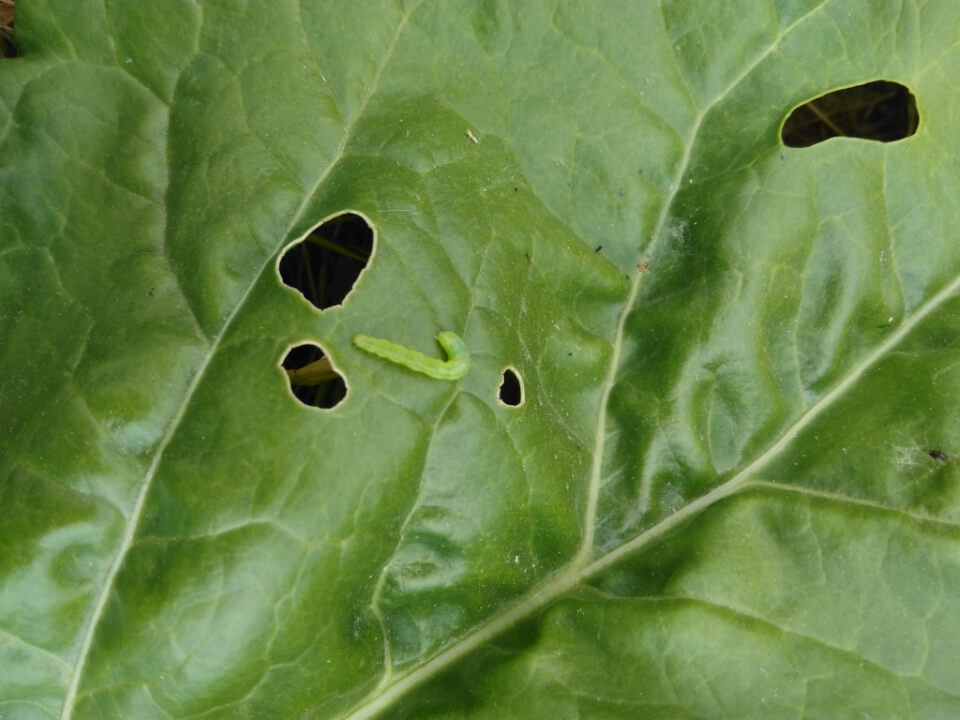
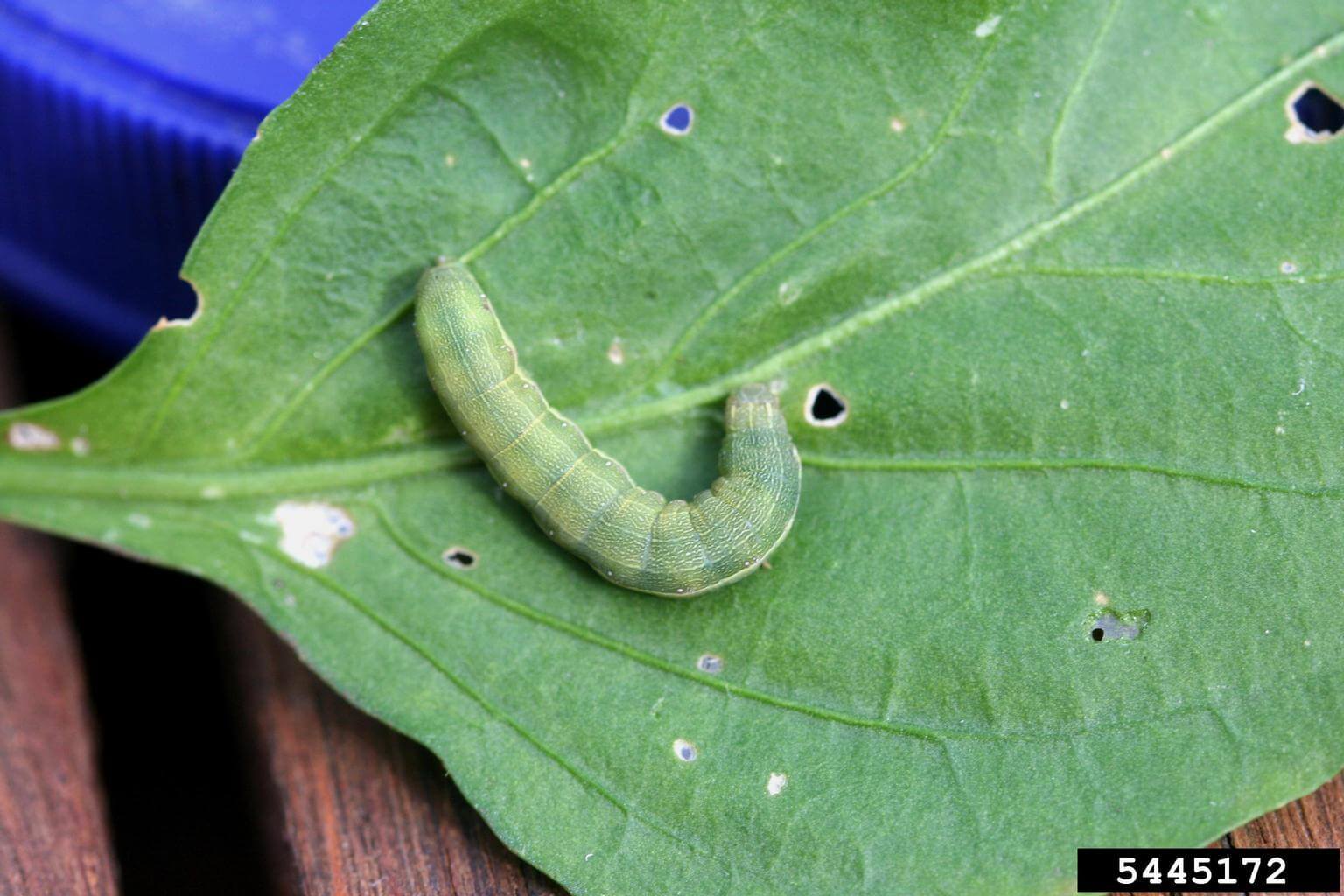
Green donut causes significant damage to beets, mainly attacking the leaves and stems. The larvae pierce and chew the leaves, leaving irregular holes and reducing the photosynthetic capacity of the plant.
- Irregular holes in the leaves
- Severe defoliation in severe infestations
- Bitten and weakened stems
- Delay in plant growth
- Death of young seedlings

TEMPERATURE AND HUMIDITY
20°C - 30°C
60% - 80%

HOW IS IT SPREAD?
Soil movements, Infested plants, Contaminated agricultural machinery, Wind, Transport of agricultural products

HOW TO REMOVE IT?
Home remedies
There are no home treatments
Chemical treatments
• CHLORANTRANILIPROL 35% [WG] P/P
• Spodoptera exigua (Pheromone)
Authorized treatments in organic farming
• Spodoptera exigua (Pheromone)
Insect allies
PREDATORY MITES
LADYBUGS
LACEWINGS
PARASITIC WASPS
HOVERFLIES OR PARASITIC FLIES
PREDATORY BUGS
There are no natural allies
Mycodiplosis oidii (predatory mosquito)
EFFECTIVE PRODUCTS TO ELIMINATE THIS DISEASE
Sponsored link

Sponsored link


Sponsored link
Sponsored link
Sponsored link


Sponsored link
Sponsored link
Effective against all types of fungi

Sponsored link


Sponsored link
Sponsored link

Sponsored link


Sponsored link
- Implement crop rotations to interrupt the pathogen cycle.
- Use pheromone traps to monitor and reduce the adult population.
- Introduce natural enemies such as parasitoids and predators into the field.
- Apply biological insecticides such as Bacillus thuringiensis to control young larvae.
- Maintain good field hygiene, eliminating crop remains and weeds.
- Use physical barriers, such as mesh, to protect young crops.
- Carry out constant monitoring of plants to detect and manage infestations early.
- Apply chemical insecticides locally and following technical recommendations to minimize environmental impact.
- Implement cultivation techniques such as early sowing to avoid the period of greatest activity of the larvae.
- Promote biodiversity in the agroecosystem to increase the presence of natural enemies of the pest.
Recommendations

Enjoy idMicrobe TOTALLY FREE, with no trial periods.


