

Royas
Rust
Puccinia Sorghi
Pathogen:
Fungus
Type:
Risk to the plant:
HIGH

DESCRIPTION
WHO CAUSES IT?
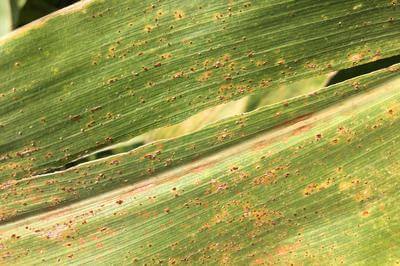
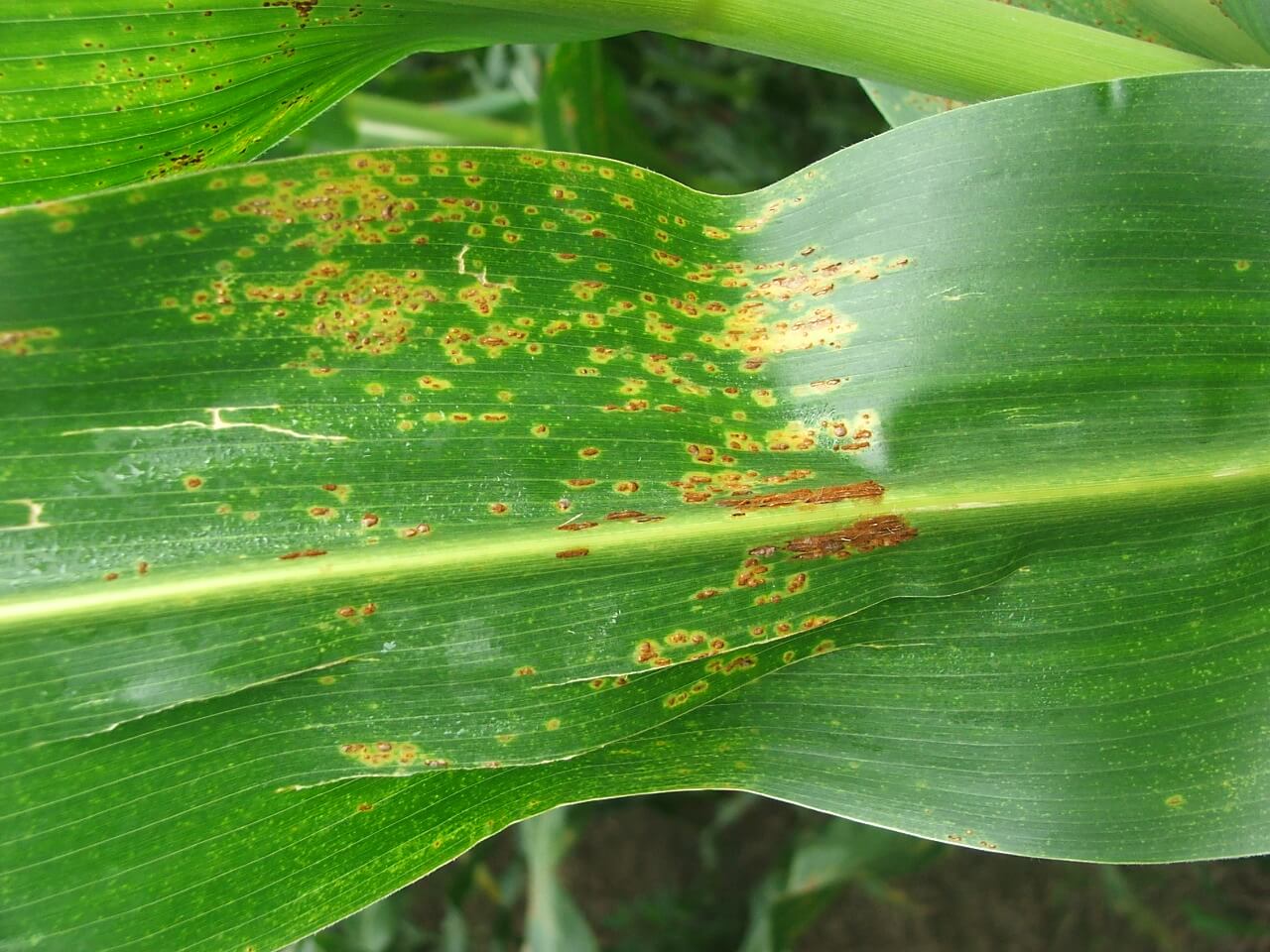
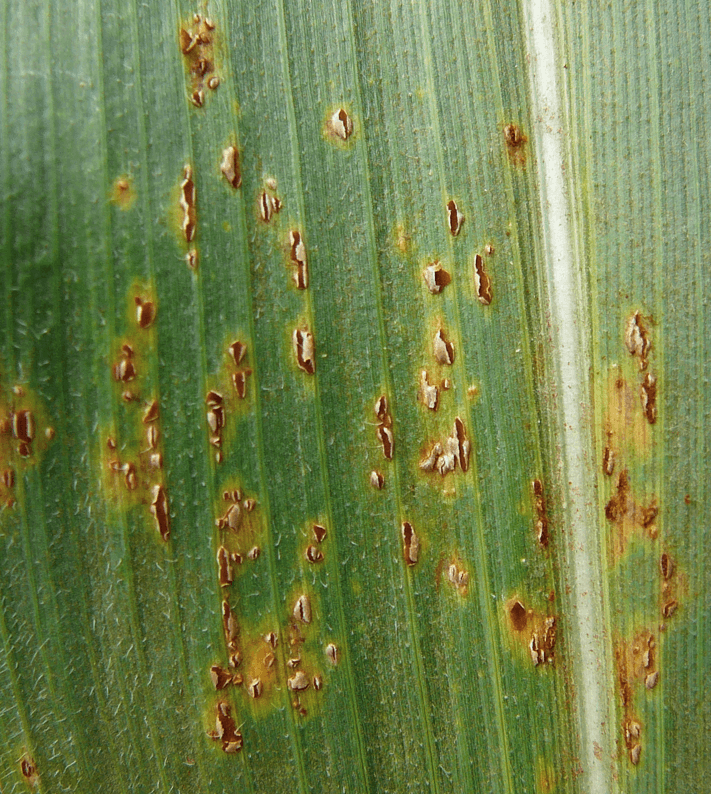
Puccinia sorghi is a basidiomycete fungus that causes corn rust. This pathogen has a complex life cycle, alternating between two different hosts and developing several stages of sporulation. Initial infection begins when wind-borne urediniospore spores land on corn leaves and germinate under high humidity conditions. The spores form appressoria that penetrate the leaf epidermis, developing intercellular mycelium and producing urediniospore pustules on the leaf surface, which are visible as orange Taches. These pustules release new urediniospores that can reinfect the corn, spreading the disease. At the end of the season, the fungus produces teliospores that survive the winter in plant residues and germinate in the spring to form basidiospores, thus completing its cycle.
SYMPTOMS
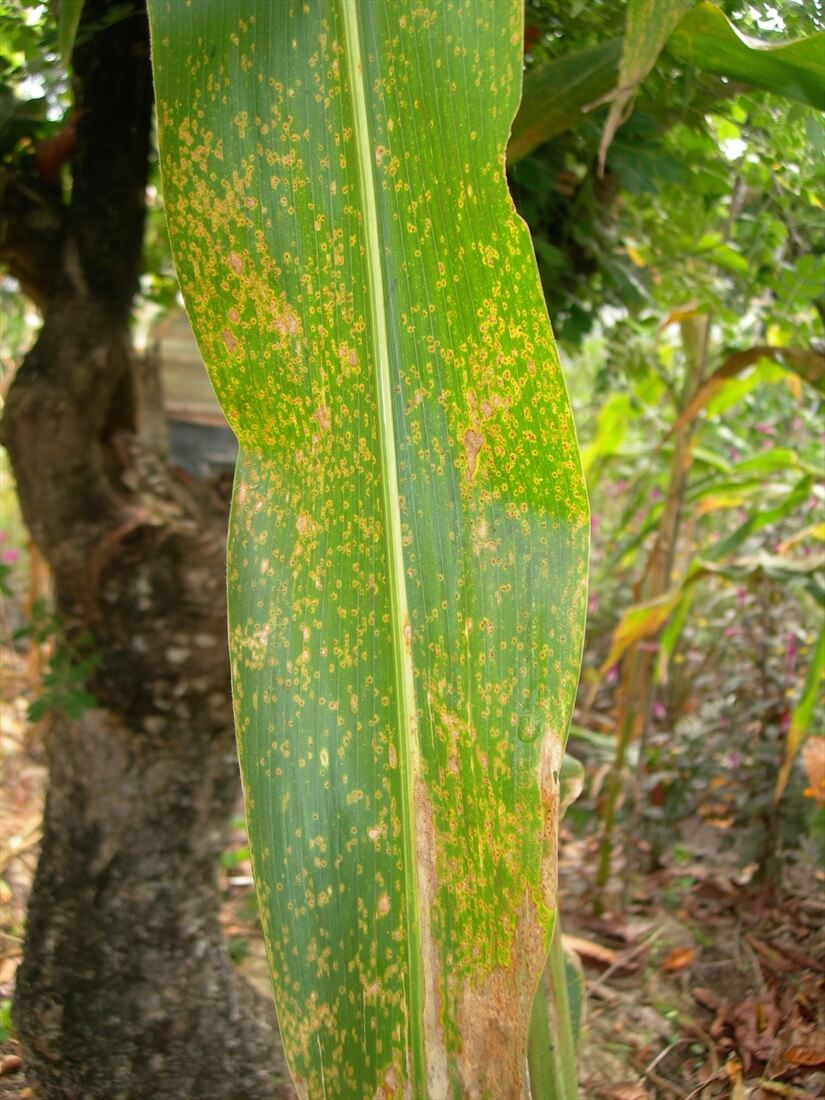
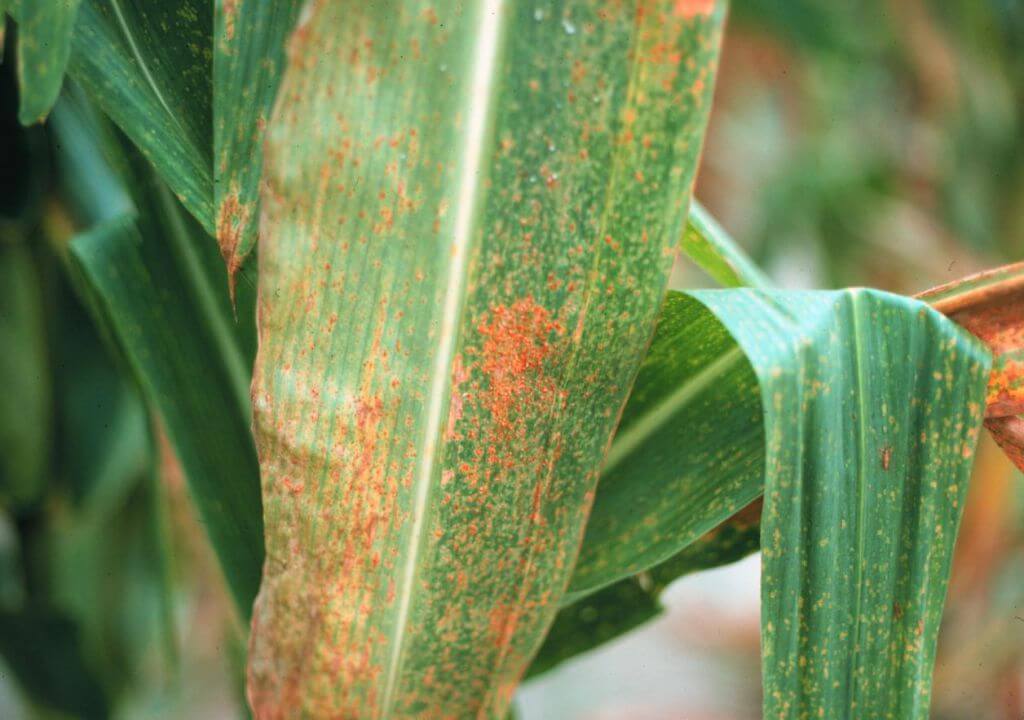
The rust caused by Puccinia sorghi in corn is characterized by the appearance of orange pustules on the leaves, which are indicative of the production of spores of the fungus. This disease can significantly reduce corn yield due to decreased photosynthesis and weakening of plants. Severely infected plants may present chlorosis and leaf necrosis, affecting their development and production.
- Orange pustules on the leaves.
- Reduction in the rate of photosynthesis.
- Chlorosis and leaf necrosis.
- General weakening of plants.
- Decreased growth and development of plants.
- Chlorotic Taches that become necrotic over time.
- Loss of yield due to the decrease in functional leaf area.
- Delay in plant maturation.

TEMPERATURE AND HUMIDITY
15°C - 25°C
90% - 100%

HOW IS IT SPREAD?
Windborne spores, Contaminated irrigation water, Agricultural tools, Infected planting material, Infected plant residues

HOW TO REMOVE IT?
Home remedies
There are no home treatments
Chemical treatments
• AZOXISTROBIN 25% [SC] P/V
• PIRACLOSTROBIN 20% [EC] P/V
• PIRACLOSTROBIN 20% [WG] P/P
Authorized treatments in organic farming
-
Insect allies
PREDATORY MITES
LADYBUGS
LACEWINGS
PARASITIC WASPS
HOVERFLIES OR PARASITIC FLIES
PREDATORY BUGS
There are no natural allies
Mycodiplosis oidii (predatory mosquito)
EFFECTIVE PRODUCTS TO ELIMINATE THIS DISEASE
Sponsored link

Sponsored link


Sponsored link
Sponsored link
Sponsored link


Sponsored link
Sponsored link
Effective against all types of fungi

Sponsored link


Sponsored link
Sponsored link

Sponsored link


Sponsored link
- Implement rust-resistant corn varieties, developed through genetic improvement programs.
- Carry out crop rotation with non-susceptible species to reduce the accumulation of inoculum in the soil.
- Maintain adequate crop health by eliminating and destroying infected plant residues at the end of the season.
- Regularly monitor crops to detect the presence of the disease early and apply timely treatments.
- Apply specific fungicides following technical recommendations and at the appropriate time to maximize their effectiveness.
- Promote air circulation between plants through adequate spacing to reduce foliar humidity.
- Avoid sprinkler irrigation as much as possible to reduce humidity in the foliage, favoring drip irrigation.
- Implement integrated pest management (IPM) practices that include cultural, chemical and biological strategies.
Recommendations

Enjoy idMicrobe TOTALLY FREE, with no trial periods.


