

Septoriosis
Septoria
Septoria Sp.
Pathogen:
Fungus
Type:
Risk to the plant:
HIGH

DESCRIPTION
WHO CAUSES IT?
Septoria sp. is a genus of pathogenic fungi that affects a wide range of plants, including blackberries. These fungi produce asexual spores called conidia, which are dispersed by wind and rain. The spores germinate when humidity conditions are adequate, penetrating the plant tissues through stomata or wounds. Within the plant tissue, the fungus grows and develops structures known as pycnidia, which are small fruiting bodies where new spores are produced. These spores are released and disseminated, restarting the infection cycle. The fungi can survive on infected plant remains or in the soil during the winter, remaining dormant until environmental conditions are favorable again. The reproduction and spread of Septoria are strongly influenced by climatic conditions, especially humidity and temperature.
SYMPTOMS
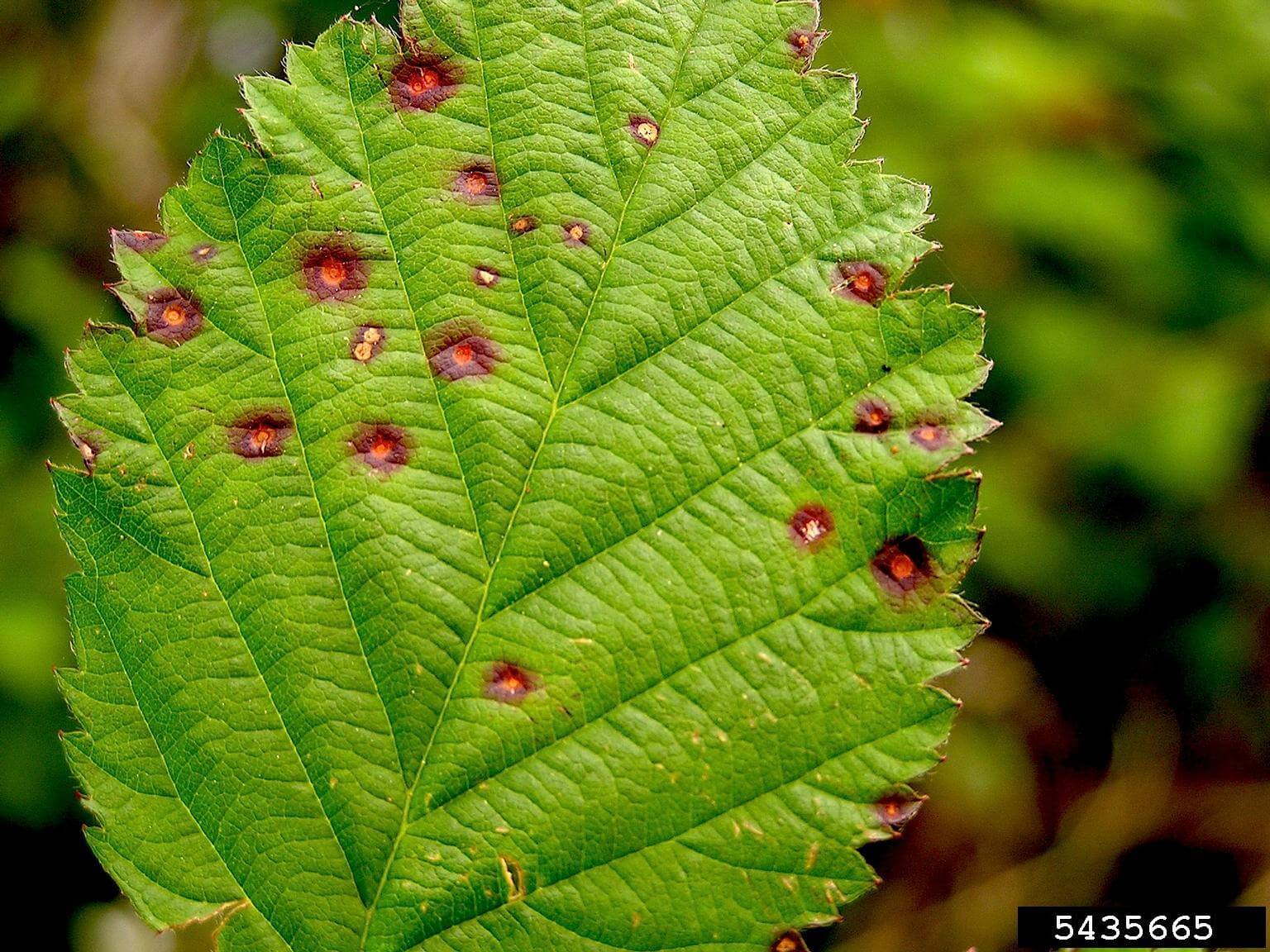
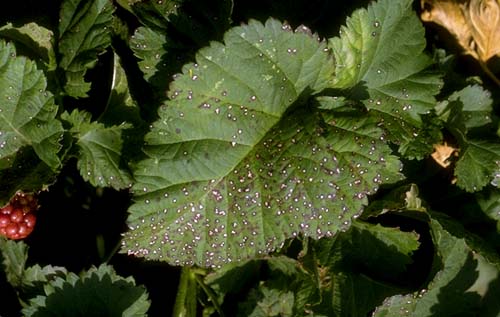
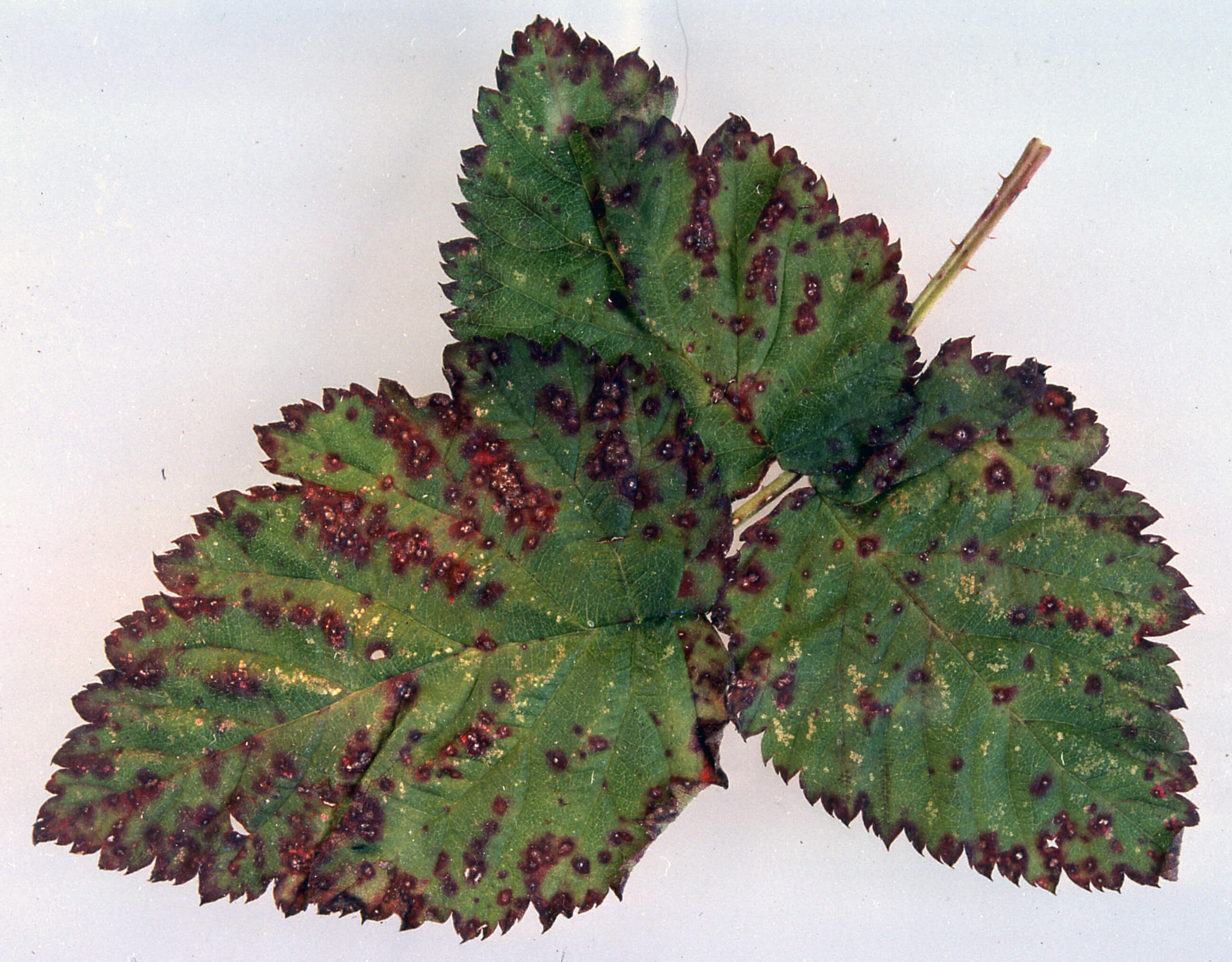
In blackberry, infection by Septoria sp. It causes a disease known as septoria, which mainly affects the leaves, but can spread to the stems and fruits. The disease weakens the plant, reduces photosynthesis and affects the production and quality of the fruits.
- Small, circular dark brown Taches on the leaves.
- Development of black pycnidia in the center of the Taches.
- Yellowing and premature leaf fall.
- Reduction in plant growth and vigor.
- Necrosis and death of leaf tissues.
- Lesions on young stems.
- Deformed and smaller fruits.


TEMPERATURE AND HUMIDITY
15°C - 25°C
70% - 90%

HOW IS IT SPREAD?
Wind, Rain, Contact with infected tools, Infected plant remains, Contaminated plant material

HOW TO REMOVE IT?
Home remedies
There are no home treatments
Chemical treatments
• DIFENOCONAZOLE 25% [EC] P/V
• PIRACLOSTROBIN 6.7% + BOSCALIDE 26.7% ( ) [WG] P/P
• PIRACLOSTROBIN 6.7% + BOSCALIDE 26.7% ( ) [WG] P/P
• CIPRODINIL 37.5% + FLUDIOXONIL 25% [WG] P/P
Authorized treatments in organic farming
-
Insect allies
PREDATORY MITES
LADYBUGS
LACEWINGS
PARASITIC WASPS
HOVERFLIES OR PARASITIC FLIES
PREDATORY BUGS
There are no natural allies
Mycodiplosis oidii (predatory mosquito)
EFFECTIVE PRODUCTS TO ELIMINATE THIS DISEASE
Sponsored link
Sponsored link


Sponsored link
Sponsored link
Sponsored link


Sponsored link
Sponsored link
Effective against all types of fungi

Sponsored link


Sponsored link
Sponsored link

Sponsored link


Sponsored link
- Carry out sanitary pruning to eliminate and destroy the affected parts of the plant.
- Avoid the accumulation of remains of infected plants in the field.
- Ensure good air circulation through proper pruning and correct spacing between plants.
- Implement crop rotation to avoid the accumulation of the pathogen in the soil.
- Apply specific fungicides preventively or at the beginning of the infection.
- Maintain the hygiene of pruning tools and other work equipment.
- Regularly monitor the crop to detect and treat the disease in its early stages.
- Avoid sprinkler irrigation that favors the spread of spores.
Recommendations

Enjoy idMicrobe TOTALLY FREE, with no trial periods.


