

Insectos
Apple Tree Torito
Stictocephala Bisonia
Pathogen:
Insect
Type:
Risk to the plant:
MILD
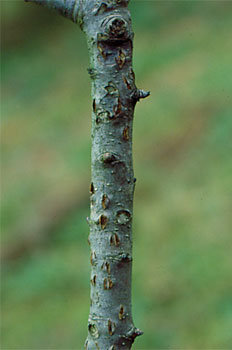
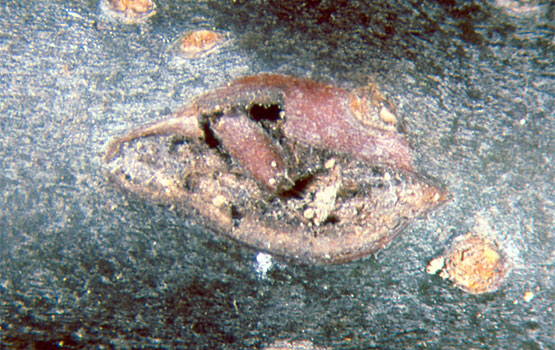

DESCRIPTION
WHO CAUSES IT?
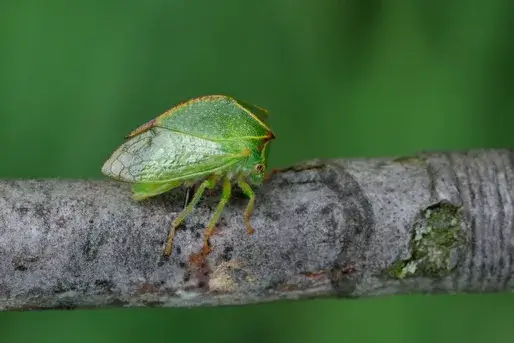
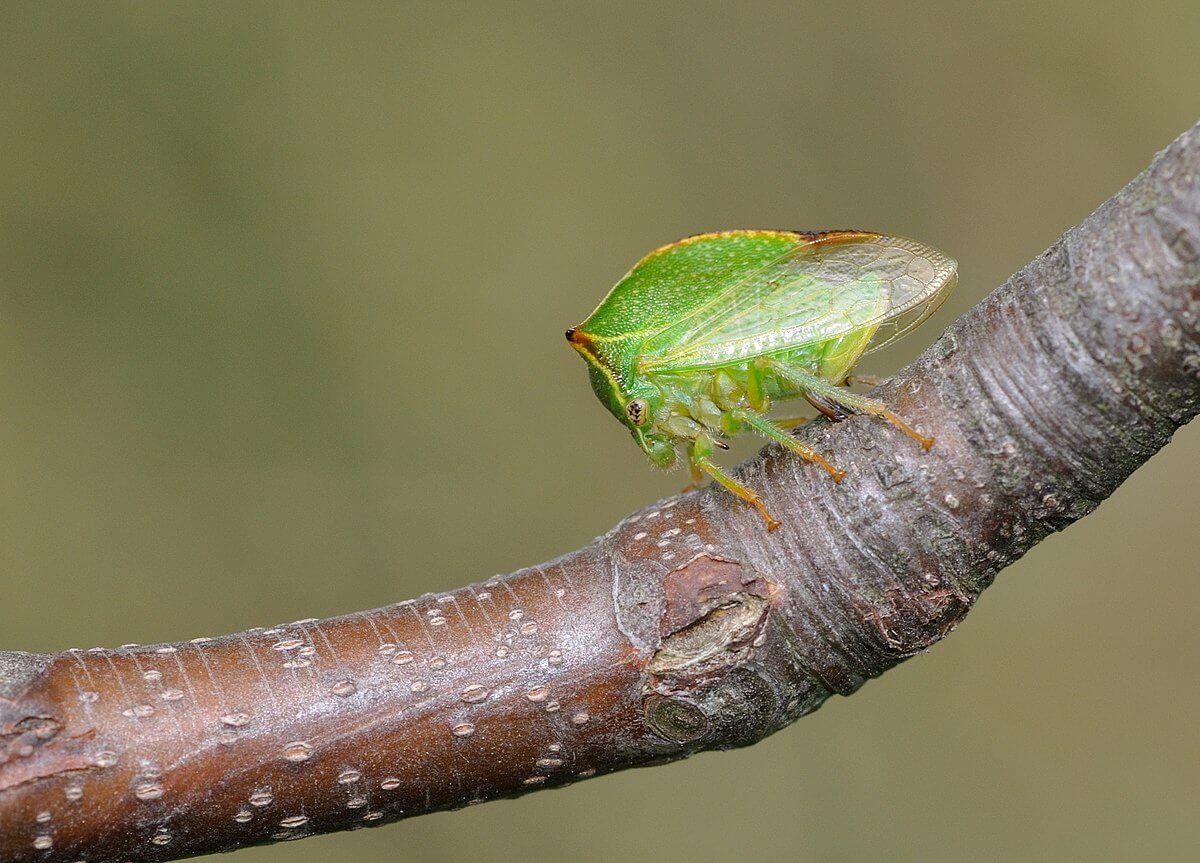
Ceresa bulbalus, commonly known as apple tortoise, or Stictocephala bisonia, is a phytopathogenic insect of the Membracidae family. These insects feed on the sap of apple trees, damaging the plant's tissues and weakening it. They have a distinctive appearance with a bull or bison shape, with a bump on the back. The females lay their eggs in the plant tissues and the nymphs emerge and feed on the sap of the branches and leaves.
SYMPTOMS
The apple tree tortoise causes physical damage to the branches and leaves by feeding on the sap. These damages can cause deformations and reduction in the quality and quantity of the fruits. In addition, wounds on the plant can facilitate the entry of other diseases.
• Damage to branches and leaves when feeding on the sap.
• Deformations in fruits and young shoots.
• Reduction in the quality and quantity of the fruits.
• Yellowing and premature leaf fall.
• General weakening of the plant.


TEMPERATURE AND HUMIDITY
15°C - 28°C
60% - 80%

HOW IS IT SPREAD?
Insect movements between plants, direct contact with infected plants, transplanting of infected plants.

HOW TO REMOVE IT?
Home remedies
There are no home treatments
Chemical treatments
No treatment is required for this pest.
Authorized treatments in organic farming
No treatment is required for this pest.
Insect allies
PREDATORY MITES
LADYBUGS
LACEWINGS
PARASITIC WASPS
HOVERFLIES OR PARASITIC FLIES
PREDATORY BUGS
There are no natural allies
Mycodiplosis oidii (predatory mosquito)
EFFECTIVE PRODUCTS TO ELIMINATE THIS DISEASE
Sponsored link
Sponsored link


Sponsored link
Sponsored link
Sponsored link


Sponsored link
Sponsored link
Effective against all types of fungi

Sponsored link


Sponsored link
Sponsored link

Sponsored link


Sponsored link
• Regularly monitor crops to detect the presence of these insects.
• Use traps and physical barriers to capture and control populations.
• Apply specific insecticides to control adult insects and nymphs.
• Prune and remove affected branches and plant parts to prevent spread.
• Keep the growing area clean and free of plant residues.
• Promote crop diversification to avoid the concentration of insects.
• Promote the presence of natural predators to control populations.
Recommendations

Enjoy idMicrobe TOTALLY FREE, with no trial periods.


