

Cercosporosis
Carrot pox, leaf spot: what it is, how it originates, and how to eliminate it effectively
Carrot Pox, Leaf Spot
Cercospora Carotae
Pathogen:
Fungus
Type:
Risk to the plant:
HIGH

DESCRIPTION
WHO CAUSES IT?
Cercospora carotae is a phytopathogenic fungus responsible for carrot pox and leaf spot. This pathogen produces conidia that are dispersed through air and water, especially during high humidity conditions. Conidia germinate on the surface of the leaves and penetrate plant tissues through stomata or wounds. Once inside the plant, the fungus develops mycelium that spreads between the cells, feeding on the plant's nutrients and causing the death of infected cells. Cercospora carotae can survive on infected plant remains and in soil for long periods. Spores can be carried by wind, irrigation water, and contaminated growing tools. Initial infection usually occurs in older leaves and progresses to younger ones. Spores are produced in abundance on foliar lesions, facilitating continued spread of the fungus during the growing season.
SYMPTOMS
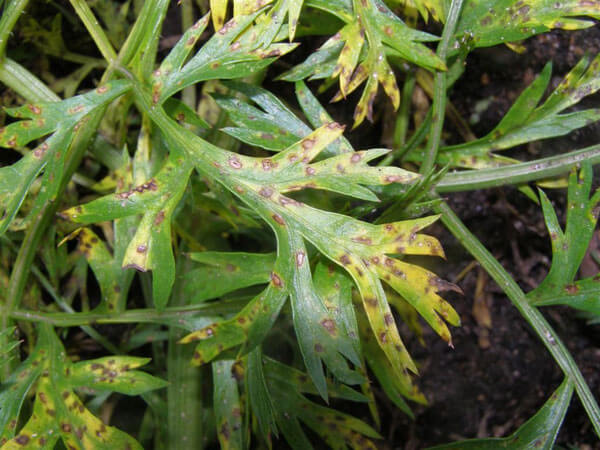
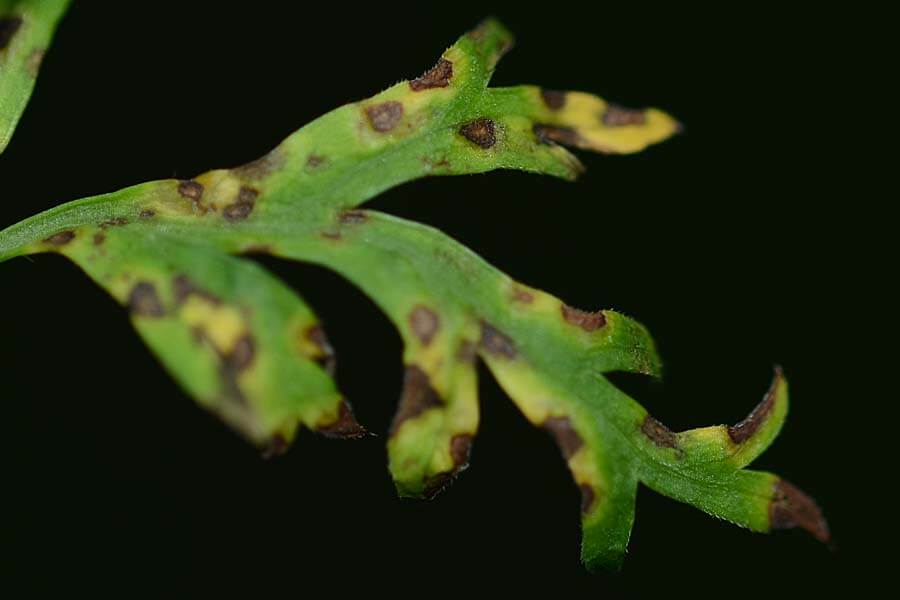
Carrot pox and leaf spot caused by Cercospora carotae primarily affect carrot foliage, compromising photosynthesis and overall plant health. Severe infections can result in a significant reduction in crop yield and quality.
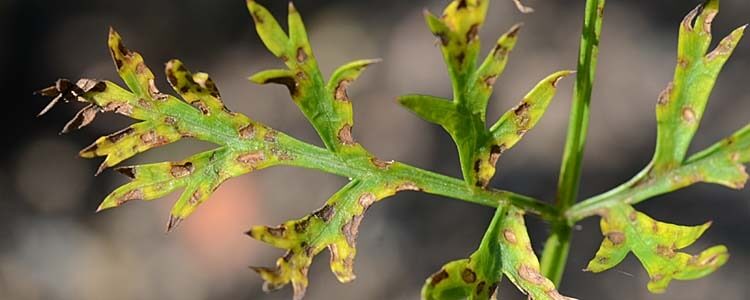
- Small, brown to black Taches on the leaves.
- Lesions surrounded by a yellowish halo.
- Taches with light centers and dark edges.
- Drying and premature leaf fall.
- Reduction of plant vigor.
- Lower size and quality of the roots.


TEMPERATURE AND HUMIDITY
20°C - 30°C
85% - 100%

HOW IS IT SPREAD?
Air, Irrigation water, Contaminated tools, Infected plant remains, Infected seeds

HOW TO REMOVE IT?
Home remedies
There are no home treatments
Chemical treatments
• AZOXISTROBIN 25% [SC] P/V
• DIFENOCONAZOLE 25% [EC] P/V
Authorized treatments in organic farming
-
Insect allies
PREDATORY MITES
LADYBUGS
LACEWINGS
PARASITIC WASPS
HOVERFLIES OR PARASITIC FLIES
PREDATORY BUGS
There are no natural allies
Mycodiplosis oidii (predatory mosquito)
EFFECTIVE PRODUCTS TO ELIMINATE THIS DISEASE
Sponsored link
Sponsored link


Sponsored link
Sponsored link
Sponsored link


Sponsored link
Sponsored link
Effective against all types of fungi

Sponsored link


Sponsored link
Sponsored link

Sponsored link


Sponsored link
- Use certified and pathogen-free seeds.
- Implement crop rotation with non-susceptible species to reduce the accumulation of inoculum in the soil.
- Avoid sprinkler irrigation to reduce humidity on the leaves.
- Remove and destroy infected crop remains after harvest.
- Apply preventive and curative fungicides following the integrated management recommendations.
- Maintain an adequate planting density to improve air circulation between plants.
- Regularly monitor crops to detect the first symptoms and act quickly.
- Practice proper soil management to maintain plant health.
Recommendations

Enjoy idMicrobe TOTALLY FREE, with no trial periods.


