

Virus
Beet yellows virus: what it is, how it originates, and how to eliminate it effectively.
Beet Yellowness Virus
Beet Yellow Virus (Byv)
Pathogen:
Virus
Type:
Risk to the plant:
HIGH

DESCRIPTION
WHO CAUSES IT?
Beet Yellow Virus (BYV) is a pathogen that primarily affects beets, causing a disease known as beet yellowness virus. This virus belongs to the Closterovirus genus, within the Closteroviridae family. BYV is a positive-sense single-stranded RNA virus. The BYV cycle begins when a vector, usually an aphid, feeds on the sap of an infected plant. Aphids acquire the virus and transmit it to new plants during their feeding. Once inside the plant, BYV replicates in phloem cells, interfering with nutrient transport and causing the characteristic symptoms of the disease. Virus replication and spread through the phloem are facilitated by proteins encoded by the virus itself.
SYMPTOMS
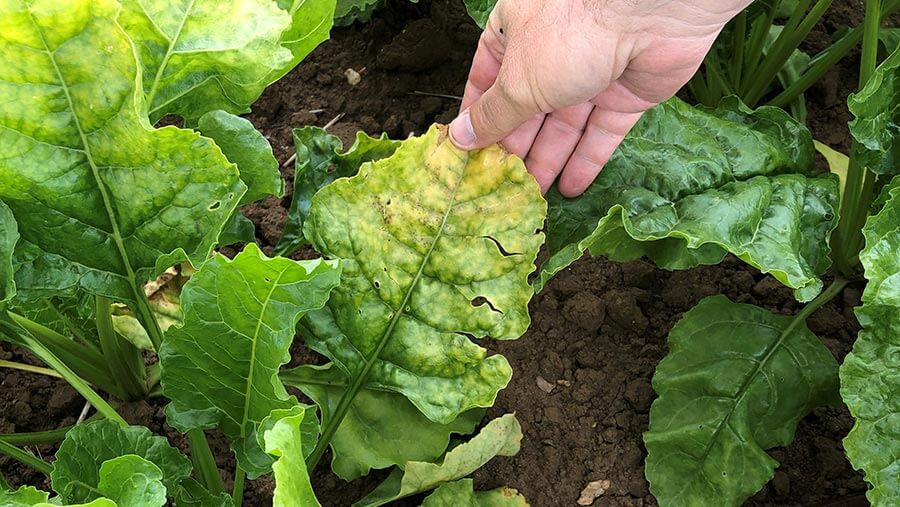
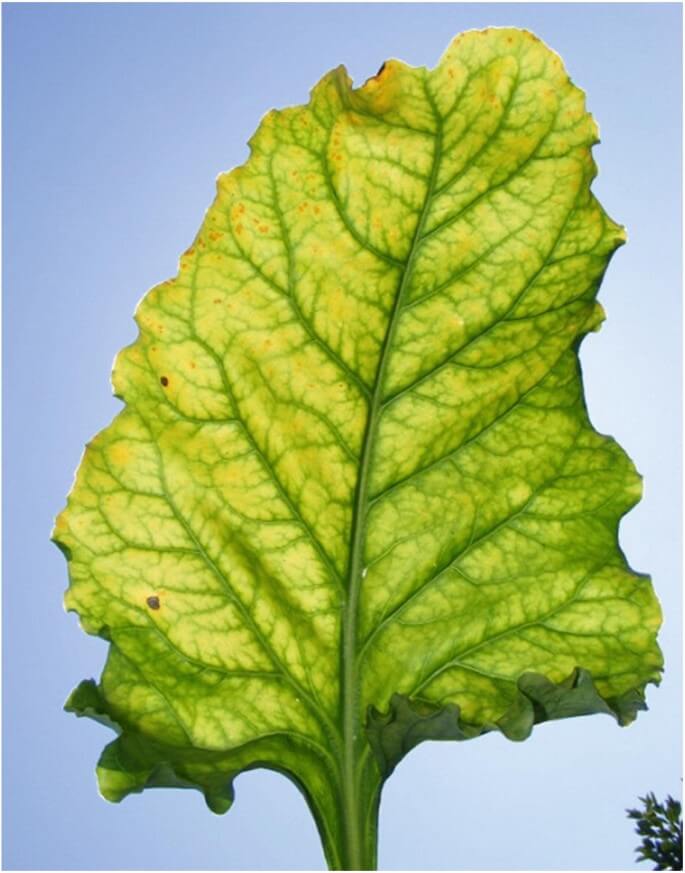
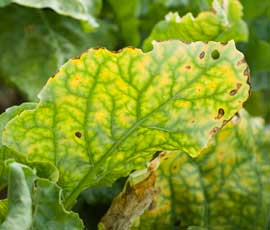
The beet yellow virus affects beet plants, causing a series of symptoms that significantly decrease the quality and yield of the crop. The disease initially manifests itself with yellowing of the leaves, which progressively spreads throughout the plant. As the infection progresses, the leaves may show reddening and upward curling, accompanied by a reduction in plant growth. This results in less root development, affecting both their size and quality.
- Yellowing of the leaves
- Redness of the leaves
- Upward curling of the leaves
- Reduction in plant growth
- Decrease in root size
- Loss of root quality


TEMPERATURE AND HUMIDITY
20°C - 25°C
60% - 80%

HOW IS IT SPREAD?
Aphids, infected plant sap, contaminated tools, infected seeds

HOW TO REMOVE IT?
Home remedies
There are no home treatments
Chemical treatments
There are no effective treatments against viruses, the treatments are focused on combating the insect or vector carrying the virus (SEE AVAILABLE TREATMENTS AGAINST INSECTS)
Authorized treatments in organic farming
There are no effective treatments against viruses, the treatments are focused on combating the insect or vector carrying the virus (SEE AVAILABLE TREATMENTS AGAINST INSECTS)
Insect allies
PREDATORY MITES
LADYBUGS
LACEWINGS
PARASITIC WASPS
HOVERFLIES OR PARASITIC FLIES
PREDATORY BUGS
There are no natural allies
Mycodiplosis oidii (predatory mosquito)
EFFECTIVE PRODUCTS TO ELIMINATE THIS DISEASE
Sponsored link
Sponsored link


Sponsored link
Sponsored link
Sponsored link


Sponsored link
Sponsored link
Effective against all types of fungi

Sponsored link


Sponsored link
Sponsored link

Sponsored link


Sponsored link
- Use beet varieties resistant to the yellowness virus to reduce the susceptibility of the crop.
- Implement integrated pest management that includes aphid control, using appropriate insecticides and biological strategies as natural enemies of aphids.
- Practice crop rotation with species that are not hosts of BYV to reduce the pressure of the disease in the field.
- Maintain adequate fertilization and irrigation management to reduce plant stress, which can reduce their susceptibility to the virus.
- Regularly monitor crops to detect the presence of aphids and disease symptoms early.
- Remove and destroy infected plants to prevent the spread of the virus to healthy plants.
- Disinfect agricultural tools and machinery used in infected fields to prevent the spread of the virus.
- Avoid overapplication of insecticides that can lead to resistance in aphids and reduce the effectiveness of chemical controls.
Recommendations

Enjoy idMicrobe TOTALLY FREE, with no trial periods.


