

Virus
Watermelon mosaic virus: what it is, how it originates, and how to eliminate it effectively.
Watermelon Mosaic Virus
Virus Wmv
Pathogen:
Virus
Type:
Risk to the plant:
HIGH

DESCRIPTION
WHO CAUSES IT?
Watermelon Mosaic Virus (WMV) is a member of the Potyvirus genus, one of the most important families of viruses affecting plants. This virus is known for its ability to infect a wide range of host plants, particularly cucurbits such as squash. WMV is primarily transmitted by aphids in a non-persistent mode, meaning that aphids can acquire the virus by feeding on an infected plant and transmit it to a healthy plant in a short period of time. Once inside the plant, WMV replicates in the cytoplasm of plant cells using the host cell machinery. The newly formed viral particles move through the phloem, spreading throughout the plant and causing a series of symptoms that affect the growth and development of the plant.
SYMPTOMS
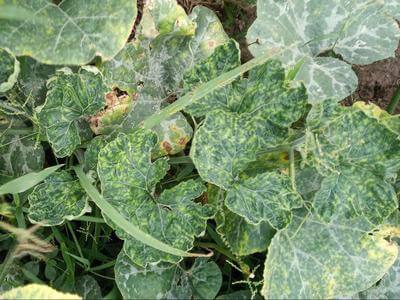
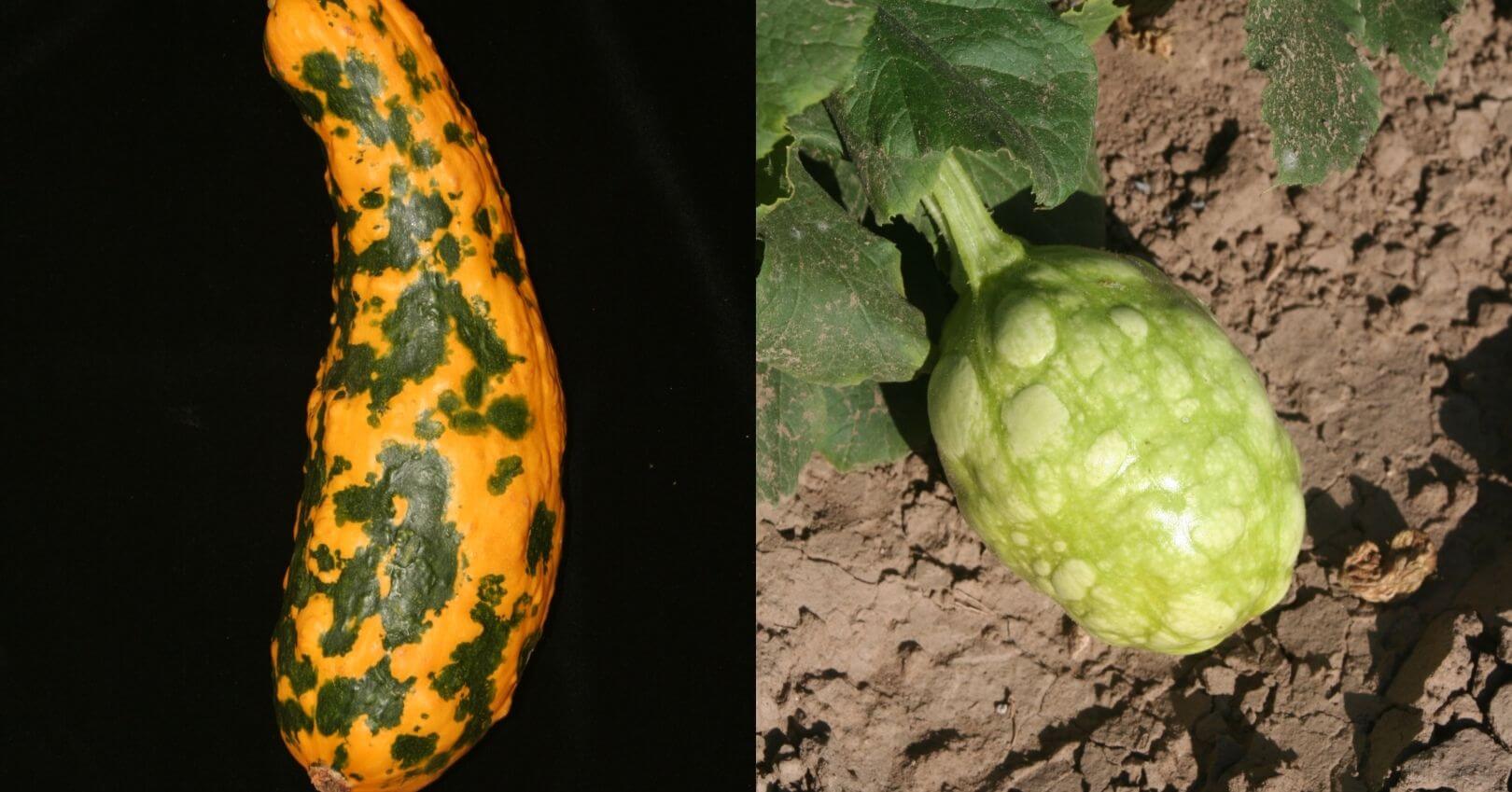
In pumpkin, Watermelon Mosaic Virus infection can have a significant impact on plant health and productivity. Disease symptoms vary depending on the severity of the infection and environmental conditions, but generally include a combination of deformations and discolorations that affect both the leaves and fruits of the plant.
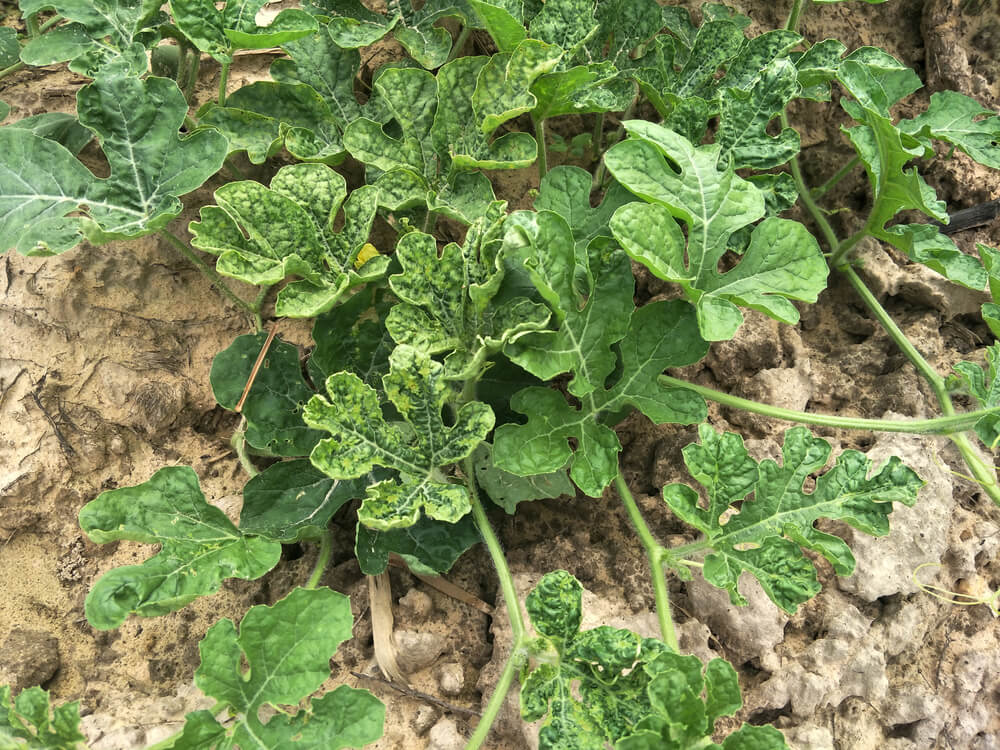
- Mottling and mosaic on the leaves, with irregular patterns of light and dark green.
- Dwarfism and delay in plant growth.
- Deformation and wrinkling of the leaves.
- Appearance of chlorotic rings on the fruits.
- Reduction in the quality and size of the fruits.
- Necrosis in the veins and severely affected leaves.


TEMPERATURE AND HUMIDITY
20°C - 30°C
70% - 90%

HOW IS IT SPREAD?
Aphids, mechanical contact, contaminated tools, infected plants, host weeds

HOW TO REMOVE IT?
Home remedies
There are no home treatments
Chemical treatments
There are no effective treatments against viruses, the treatments are focused on combating the insect or vector carrying the virus (SEE AVAILABLE TREATMENTS AGAINST INSECTS)
Authorized treatments in organic farming
There are no effective treatments against viruses, the treatments are focused on combating the insect or vector carrying the virus (SEE AVAILABLE TREATMENTS AGAINST INSECTS)
Insect allies
PREDATORY MITES
LADYBUGS
LACEWINGS
PARASITIC WASPS
HOVERFLIES OR PARASITIC FLIES
PREDATORY BUGS
There are no natural allies
Mycodiplosis oidii (predatory mosquito)
EFFECTIVE PRODUCTS TO ELIMINATE THIS DISEASE
Sponsored link
Sponsored link


Sponsored link
Sponsored link
Sponsored link


Sponsored link
Sponsored link
Effective against all types of fungi

Sponsored link


Sponsored link
Sponsored link

Sponsored link


Sponsored link
- Use varieties resistant or tolerant to WMV whenever possible.
- Implement an integrated pest management program (IPM) to control aphid populations, using specific insecticides and promoting natural enemies.
- Practice crop rotation with plants not susceptible to WMV to reduce the accumulation of viral inoculum in the soil.
- Remove and destroy infected plants as soon as possible to prevent the spread of the virus to healthy plants.
- Maintain strict control over weeds in and around the crop field, as they can act as reservoirs for aphids and viruses.
- Use physical barriers, such as anti-insect mesh, to protect crops from aphid infestation.
- Disinfect agricultural tools and equipment to prevent mechanical transmission of the virus.
- Regularly monitor aphid populations and the presence of viral symptoms in crops.
- Maintain growing practices that promote plant health and vigor, such as adequate fertilization and efficient irrigation.
Recommendations

Enjoy idMicrobe TOTALLY FREE, with no trial periods.


