

Virus
Cucumber mosaic virus: what it is, how it originates, and how to eliminate it effectively.
Cucumber Mosaic Virus
Virus Cmv
Pathogen:
Virus
Type:
Risk to the plant:
HIGH
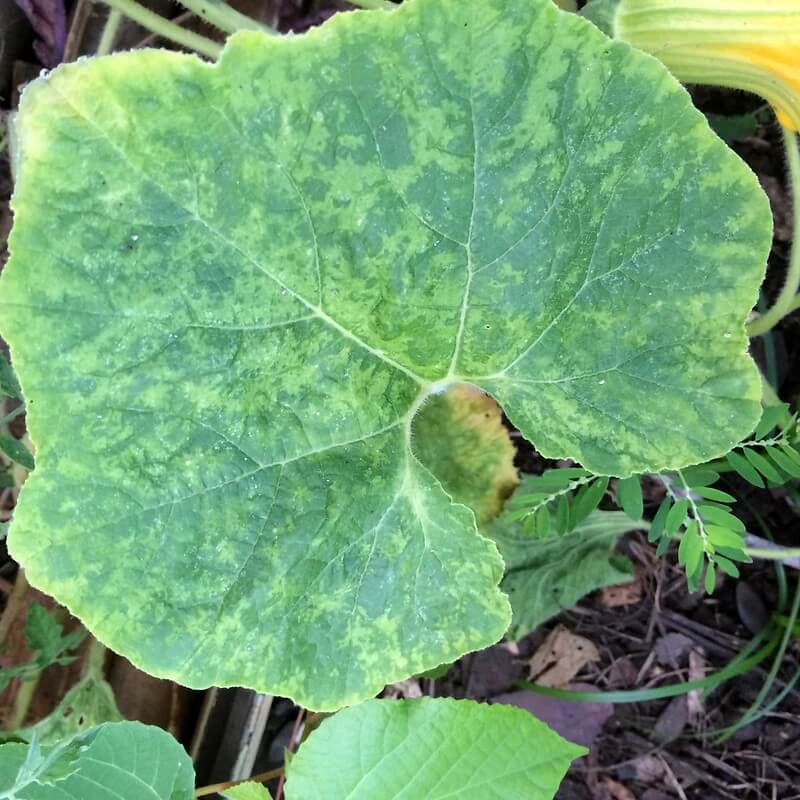
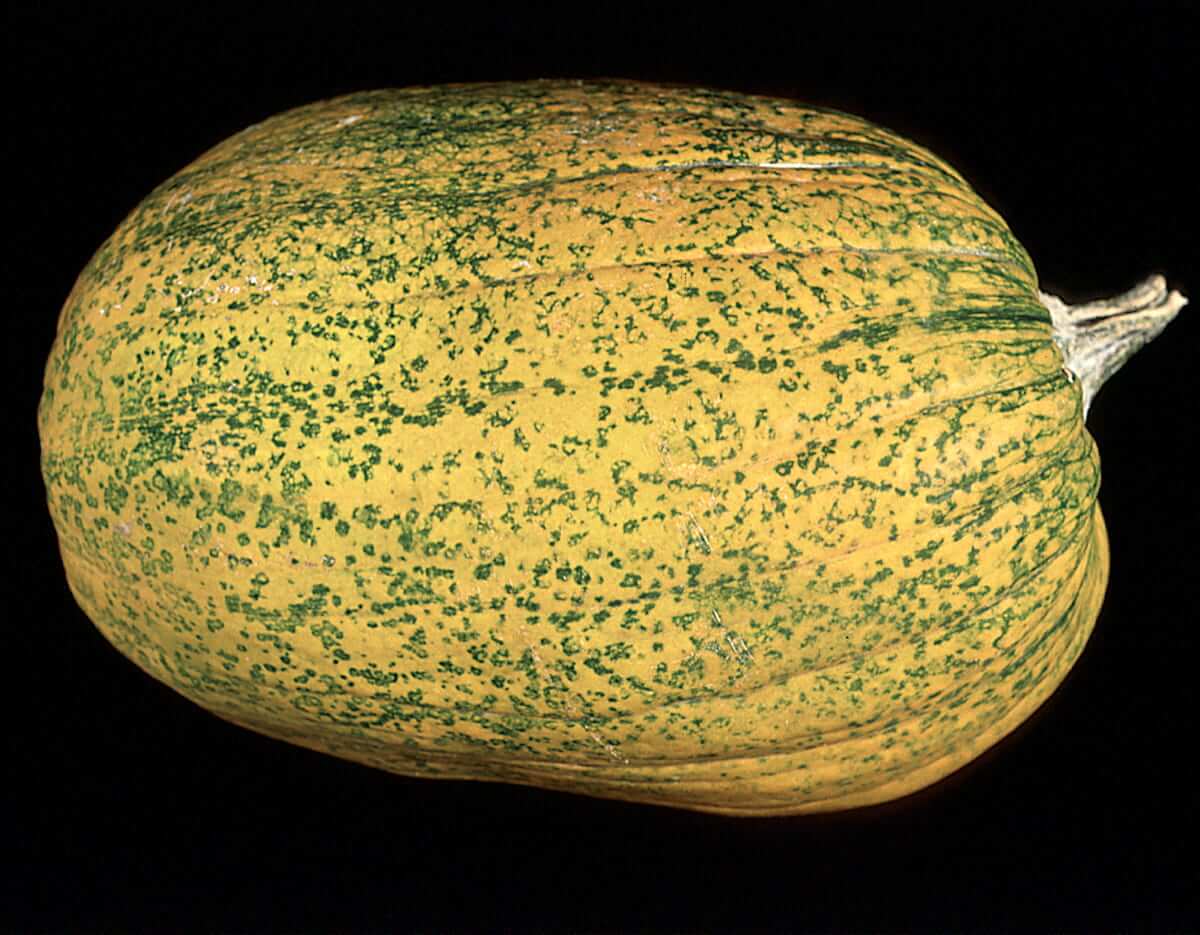

DESCRIPTION
WHO CAUSES IT?
Cucumber Mosaic Virus (CMV) belongs to the Cucumovirus genus and is one of the most widely distributed and devastating viruses for crop plants. This virus has an isometric particle structure and its genome is composed of single-stranded RNA divided into three segments. CMV is transmitted by more than 80 species of aphids in a non-persistent mode. This means that aphids can acquire the virus within a few seconds while feeding on an infected plant and transmit it to a healthy plant during their first feedings. Once the virus enters the plant, it replicates in the cytoplasm of plant cells. Viral replication interferes with normal cell functions, causing visible symptoms in the plant. The virus moves through the phloem, distributing throughout the plant and causing a variety of symptoms that negatively affect plant health and performance.
SYMPTOMS
In squash, Cucumber Mosaic Virus can cause a disease that severely impacts plant health and fruit production. Symptoms can vary depending on the virus strain, plant condition, and environmental conditions, but generally include a combination of discolorations and deformations on leaves and fruits.
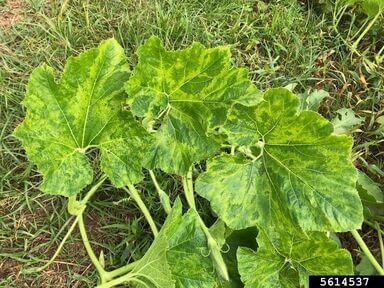
- Mosaic of light and dark green colors on the leaves.
- Deformation and wrinkling of the leaves.
- Dwarfism and stunted plant growth.
- Chlorotic rings or Taches on the fruits.
- Reduction in the quantity and quality of the fruits produced.
- Necrosis on severely affected stems and leaves.


TEMPERATURE AND HUMIDITY
20°C - 30°C
60% - 80%

HOW IS IT SPREAD?
Aphids, contaminated tools, mechanical contact, infected plants, host weeds

HOW TO REMOVE IT?
Home remedies
There are no home treatments
Chemical treatments
There are no effective treatments against viruses, the treatments are focused on combating the insect or vector carrying the virus (SEE AVAILABLE TREATMENTS AGAINST INSECTS)
Authorized treatments in organic farming
There are no effective treatments against viruses, the treatments are focused on combating the insect or vector carrying the virus (SEE AVAILABLE TREATMENTS AGAINST INSECTS)
Insect allies
PREDATORY MITES
LADYBUGS
LACEWINGS
PARASITIC WASPS
HOVERFLIES OR PARASITIC FLIES
PREDATORY BUGS
There are no natural allies
Mycodiplosis oidii (predatory mosquito)
EFFECTIVE PRODUCTS TO ELIMINATE THIS DISEASE
Sponsored link
Sponsored link


Sponsored link
Sponsored link
Sponsored link


Sponsored link
Sponsored link
Effective against all types of fungi

Sponsored link


Sponsored link
Sponsored link

Sponsored link


Sponsored link
- Use varieties resistant or tolerant to CMV whenever possible.
- Implement effective control of aphid populations through the use of specific insecticides and promoting the presence of natural enemies of aphids.
- Practice crop rotation with plants not susceptible to CMV to reduce the accumulation of the virus in the soil.
- Remove and destroy infected plants as soon as they are detected to prevent the spread of the virus to healthy plants.
- Keep the field and its surroundings free of weeds that can act as reservoirs for the virus and aphids.
- Use physical barriers, such as anti-insect mesh, to protect crops from aphid infestation.
- Regularly disinfect agricultural tools and equipment to prevent mechanical transmission of the virus.
- Frequently monitor plantations to detect the presence of aphids and viral symptoms early.
- Apply cultural management practices that promote the health and vigor of plants, such as balanced fertilization and adequate irrigation.
Recommendations

Enjoy idMicrobe TOTALLY FREE, with no trial periods.


