

Virus
Fine streak virus (MRFV): what it is, how it originates, and how to eliminate it effectively.
Fine Streak Virus (Mrfv)
Maize Rayado Fino Virus (Mrfv)
Pathogen:
Virus
Type:
Risk to the plant:
HIGH
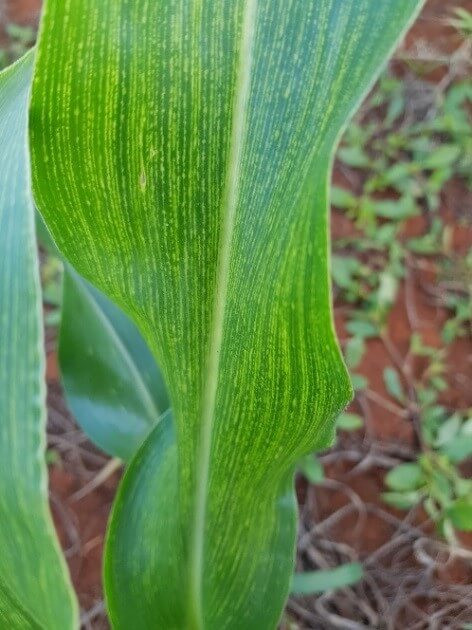
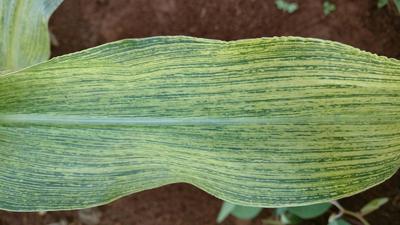

DESCRIPTION
WHO CAUSES IT?
Maize fine streak virus (MRFV) is a virus that belongs to the Tombusviridae family and is known to cause fine streak disease in corn. This pathogen is transmitted mainly by insect vectors, especially by the leafhopper Peregrinus maidis. Once insects feed on an infected plant, they can carry the virus to other plants during their feeding. The virus enters the corn plant through wounds caused by insects and establishes itself in the phloem cells. It uses the plant's machinery to replicate and produce new viral particles, which spread throughout the plant through the vascular system. As the virus multiplies, it causes a series of characteristic symptoms that can significantly affect the development and yield of the corn crop. The spread of the virus is favored by favorable environmental conditions and the presence of efficient vectors.
SYMPTOMS
The fine streak virus (MRFV) causes a disease that significantly affects corn, interfering with its growth and productivity. Infected plants show a variety of symptoms that compromise their vigor and yield, which can have a significant economic impact on corn crops.
- Appearance of fine, chlorotic stripes on the leaves.
- Reduction in size and uneven development of plants.
- Generalized chlorosis in the leaves, especially in the veins.
- Deformation of leaves and ears.
- Delay in the growth and development of corn.
- Reduction in the quality and quantity of grains produced.
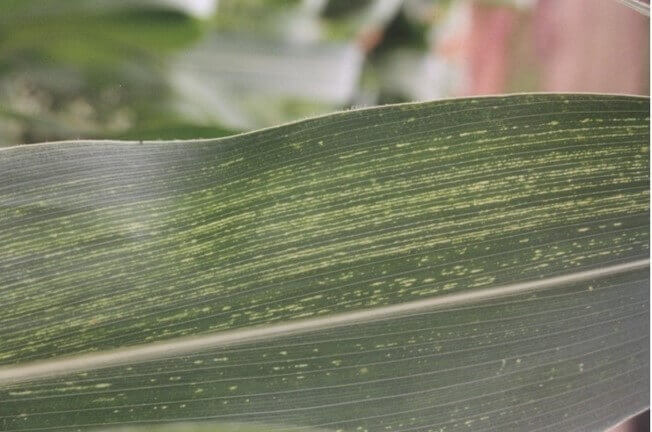


TEMPERATURE AND HUMIDITY
20°C - 30°C
60% - 80%

HOW IS IT SPREAD?
Insect vectors, contact between plants, contaminated tools

HOW TO REMOVE IT?
Home remedies
There are no home treatments
Chemical treatments
There are no effective treatments against viruses, the treatments are focused on combating the insect or vector carrying the virus (SEE AVAILABLE TREATMENTS AGAINST INSECTS)
Authorized treatments in organic farming
There are no effective treatments against viruses, the treatments are focused on combating the insect or vector carrying the virus (SEE AVAILABLE TREATMENTS AGAINST INSECTS)
Insect allies
PREDATORY MITES
LADYBUGS
LACEWINGS
PARASITIC WASPS
HOVERFLIES OR PARASITIC FLIES
PREDATORY BUGS
There are no natural allies
Mycodiplosis oidii (predatory mosquito)
EFFECTIVE PRODUCTS TO ELIMINATE THIS DISEASE
Sponsored link
Sponsored link


Sponsored link
Sponsored link
Sponsored link


Sponsored link
Sponsored link
Effective against all types of fungi

Sponsored link


Sponsored link
Sponsored link

Sponsored link


Sponsored link
- Use corn varieties resistant to MRFV to minimize the susceptibility of the crop.
- Implement an appropriate crop rotation to reduce the incidence of the virus in the soil and the vector population.
- Control insect vectors through the use of specific insecticides and integrated pest management practices.
- Regularly monitor crops for early detection of symptoms and presence of vectors.
- Eliminate infected plants to prevent the spread of the virus.
- Keep the field free of weeds that can serve as reservoirs of the virus and hosts for the vectors.
- Apply cultural practices that promote the general health of the crop, such as balanced fertilization and adequate irrigation.
- Avoid planting corn near infected crops or areas with a high presence of vectors.
Recommendations

Enjoy idMicrobe TOTALLY FREE, with no trial periods.


