

Virus
Chlorotic vein virus (CVV): what it is, how it originates, and how to eliminate it effectively.
Chlorotic Vein Virus (Rvcv)
Raspberry Vein Chlorosis Virus (Rvcv)
Pathogen:
Virus
Type:
Risk to the plant:
HIGH

DESCRIPTION
WHO CAUSES IT?
Raspberry vein chlorosis virus (RVCV) is a virus that primarily affects raspberries. It belongs to the Closterovirus group and is transmitted by aphids, mainly Amphorophora agathonica. RVCV spreads when aphids feed on infected plants and then move to healthy plants, injecting the virus through their saliva. Once inside the plant, the virus replicates in the phloem cells and distributes throughout the vascular system, causing symptoms that can vary in severity. Transmission can also occur through infected propagating material such as cuttings and shoots. The persistence of the virus in plants and its ability to transmit through insect vectors makes its control challenging. The management of RVCV requires a deep understanding of its biology and the environmental factors that favor its spread.
SYMPTOMS
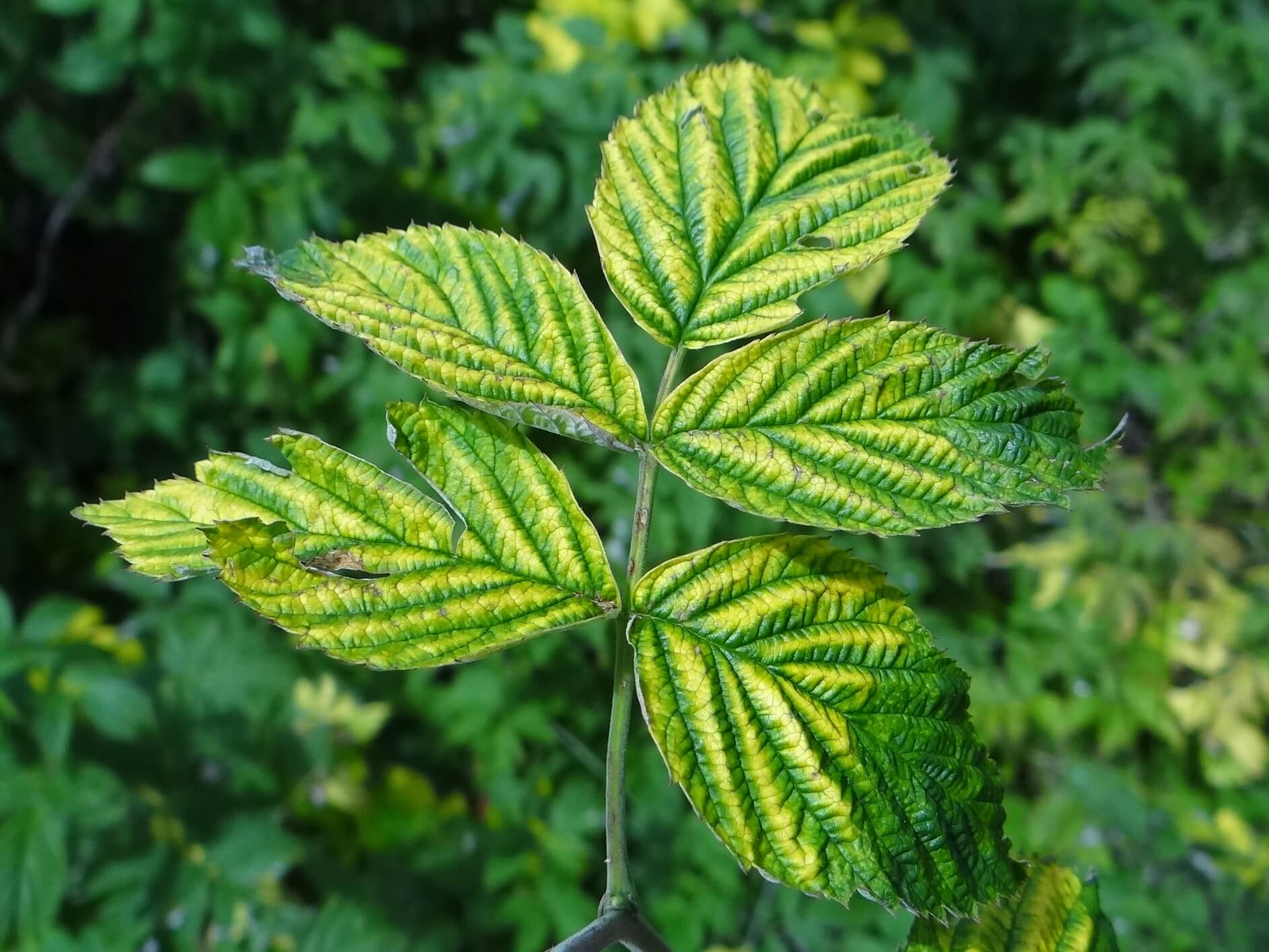
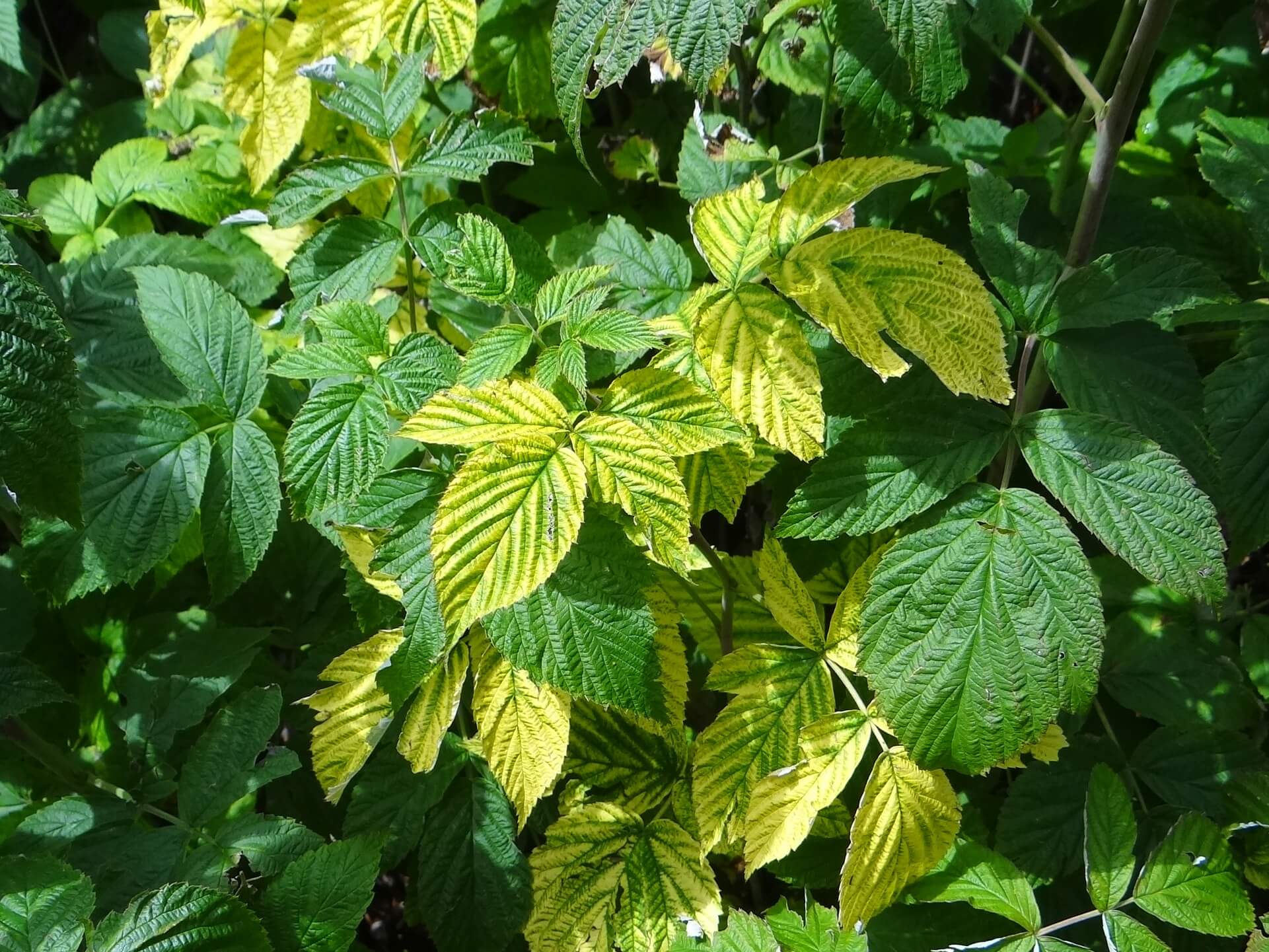
Chlorotic vein virus (RVCV) causes a debilitating disease in raspberries, characterized by the appearance of chlorosis in the veins of the leaves. This disease affects the photosynthetic capacity of the plant, reducing its vigor and productivity. Symptoms include a general yellowing of the leaves, especially along the veins, and can lead to progressive weakening of the plant.
- Chlorosis in the veins of the leaves.
- General yellowing of the leaves.
- Reduction in plant growth.
- Lower vigor and productivity.
- Small and deformed fruits.
- Premature loss of leaves.


TEMPERATURE AND HUMIDITY
15°C - 25°C
60% - 80%

HOW IS IT SPREAD?
Aphids, infected propagation material, cuttings, sprouts, contaminated tools, plant-to-plant contact

HOW TO REMOVE IT?
Home remedies
There are no home treatments
Chemical treatments
There are no effective treatments against viruses, the treatments are focused on combating the insect or vector carrying the virus (SEE AVAILABLE TREATMENTS AGAINST INSECTS)
Authorized treatments in organic farming
There are no effective treatments against viruses, the treatments are focused on combating the insect or vector carrying the virus (SEE AVAILABLE TREATMENTS AGAINST INSECTS)
Insect allies
PREDATORY MITES
LADYBUGS
LACEWINGS
PARASITIC WASPS
HOVERFLIES OR PARASITIC FLIES
PREDATORY BUGS
There are no natural allies
Mycodiplosis oidii (predatory mosquito)
EFFECTIVE PRODUCTS TO ELIMINATE THIS DISEASE
Sponsored link
Sponsored link


Sponsored link
Sponsored link
Sponsored link


Sponsored link
Sponsored link
Effective against all types of fungi

Sponsored link


Sponsored link
Sponsored link

Sponsored link


Sponsored link
- Use certified virus-free raspberry plants for new plantations.
- Implement regular monitoring programs for early detection of aphid vectors.
- Apply specific insecticides to control the aphid population in the plantations.
- Maintain good hygiene in the field, eliminating infected plant residues.
- Use physical barriers or trap crops to reduce the mobility of aphids.
- Carry out crop rotations with non-host plants to reduce virus pressure.
- Prevent the spread of infected plant material through careful management and pruning practices.
- Encourage the presence of natural enemies of aphids, such as ladybugs and lacewings.
- Implement quarantine measures for new plants and cuttings introduced into the plantation.
Recommendations

Enjoy idMicrobe TOTALLY FREE, with no trial periods.


