

Lechuga y similares
How to recognize and combat soft rot in lettuce and similar plants
Soft Rot
Bacterium
Type:
Risk to the plant:
CRITICAL
Erwinia Carotovora / Pectobacterium Carotovorum
Pathogen:
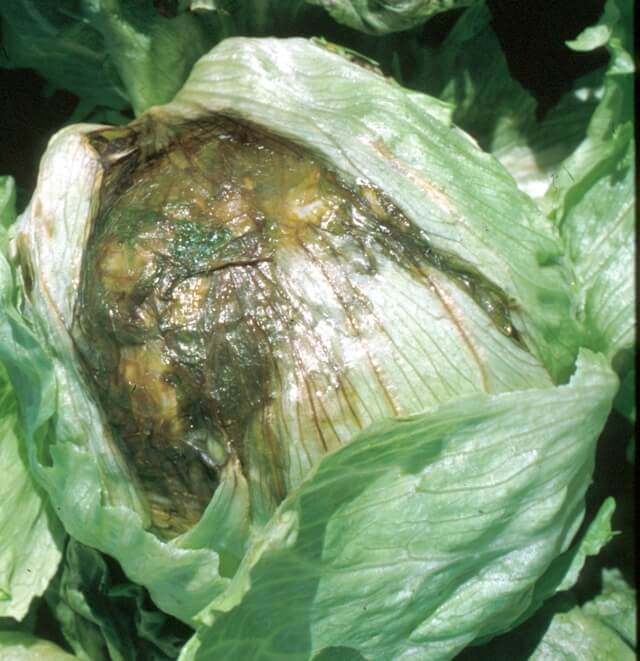
Moho blanco


WHO CAUSES IT?
Erwinia carotovora (also known as Pectobacterium carotovorum) is a phytopathogenic bacteria commonly found in soil and decomposing plant remains. This bacteria attacks a wide variety of plants, including lettuce, generating decomposition of plant tissues through the secretion of pectinolytic enzymes that degrade the plant cell wall. The bacteria penetrate tissues through wounds or natural openings, such as stomata, especially under conditions of high humidity or mechanical damage. During the advanced stages of infection, plant tissue turns into a slimy, watery mass, releasing new bacterial cells into the environment, where they can survive in plant debris or contaminated water, ready to infect new plants when conditions are favorable.
.png)
SYMPTOMS
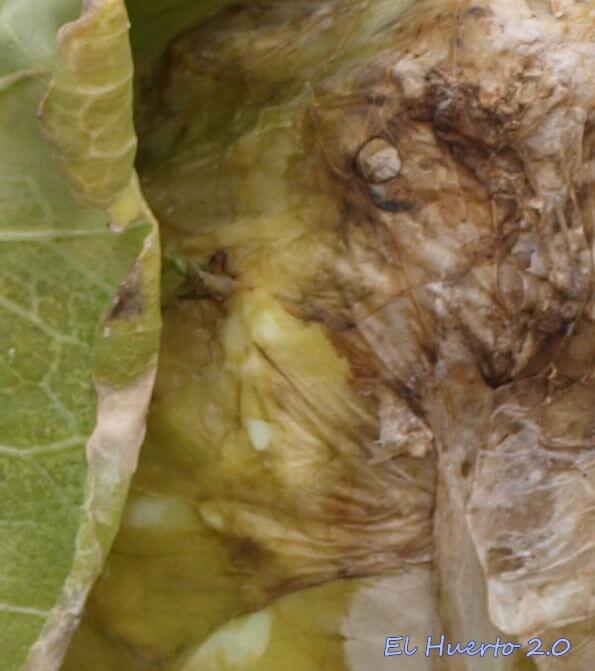
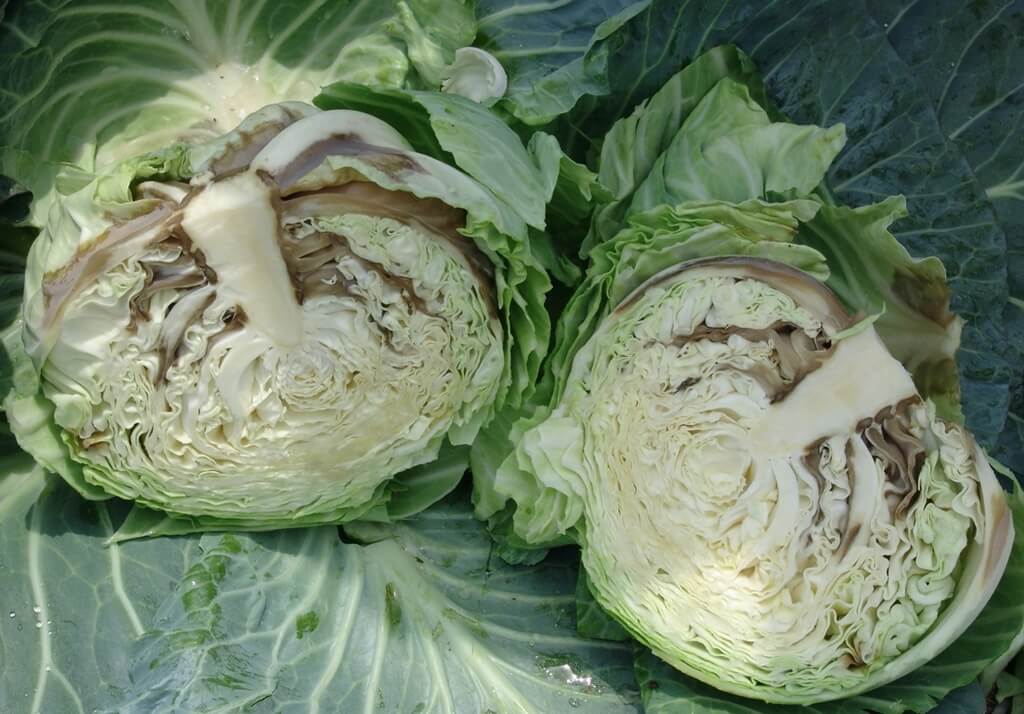
Soft rot caused by Erwinia carotovora in lettuce is a highly destructive disease that mainly affects the fleshy and succulent parts of the plant. Early signs include the appearance of small watery lesions at the base of the leaves, which rapidly expand in warm, humid conditions, causing accelerated decomposition of the tissues. Affected plants become soft and emit a foul odor, typical of advanced bacterial decomposition.
- Moist and watery lesions at the base of the leaves.
- Rapid and soft decomposition of the affected tissues.
- Emission of a foul odor due to the degradation of tissues.
- Collapse of the external leaves that become watery and slimy.
- Total loss of the plant when the infection progresses uncontrolled.


DEVELOPMENT CONDITIONS
Temperature:
20-30°C
Humidity:
70-90%

HOW IS IT SPREAD?
Contaminated soil, irrigation water, contact with infected tools, plant debris, plant wounds

HOW TO ELIMINATE IT?
Home treatments
There are no home treatments
Natural allies
Chemical treatments
There are no treatments for this disease. Treatments are directed at the insect vectors that transmit it. See insect treatments.
RECOMMENDED PRODUCTS TO ELIMINATE THE PEST
Sponsored link
Sponsored link


Sponsored link
Sponsored link
Sponsored link


Sponsored link
Sponsored link
Effective against all types of fungi

Sponsored link


Sponsored link
Sponsored link

Sponsored link


Sponsored link

REPELLENT PLANTS

RECOMMENDATIONS
OTHER PESTS THAT MAY INTEREST YOU


DID YOU LIKE IT?
Now you can always have it on your mobile, without ads and totally FREE. TRY idMicrobe NOW!


