

Plantas decorativas de jardín y/o interior
How to recognize and combat mealybugs on decorative garden and/or indoor plants
Mealybugs
Insect
Type:
Risk to the plant:
HIGH
Mealybugs
Pathogen:
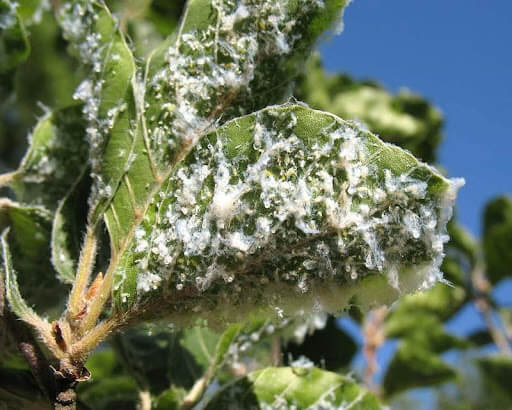
Cochinillas


WHO CAUSES IT?
Mealybugs are small insects belonging to the Coccoidea family, which includes several species with different habits and characteristics. Adult females deposit eggs en masse on the surface of plants, protected by a waxy covering. The eggs hatch into mobile nymphs, called “crawlers,” which disperse in search of suitable feeding sites. These nymphs attach themselves to the plant and begin to suck the sap, developing through several nymphal stages until they become adults. Female scale insects are usually sessile, while the less common males undergo complete metamorphosis and become winged insects capable of flying and searching for females to mate with. The females continue to produce eggs, thus completing the life cycle that can repeat several times a year, depending on environmental conditions.
.png)
SYMPTOMS
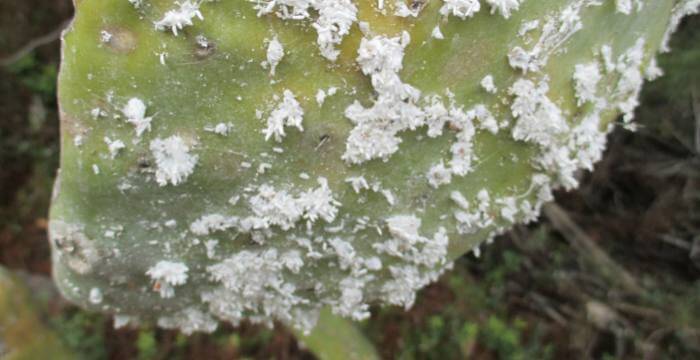
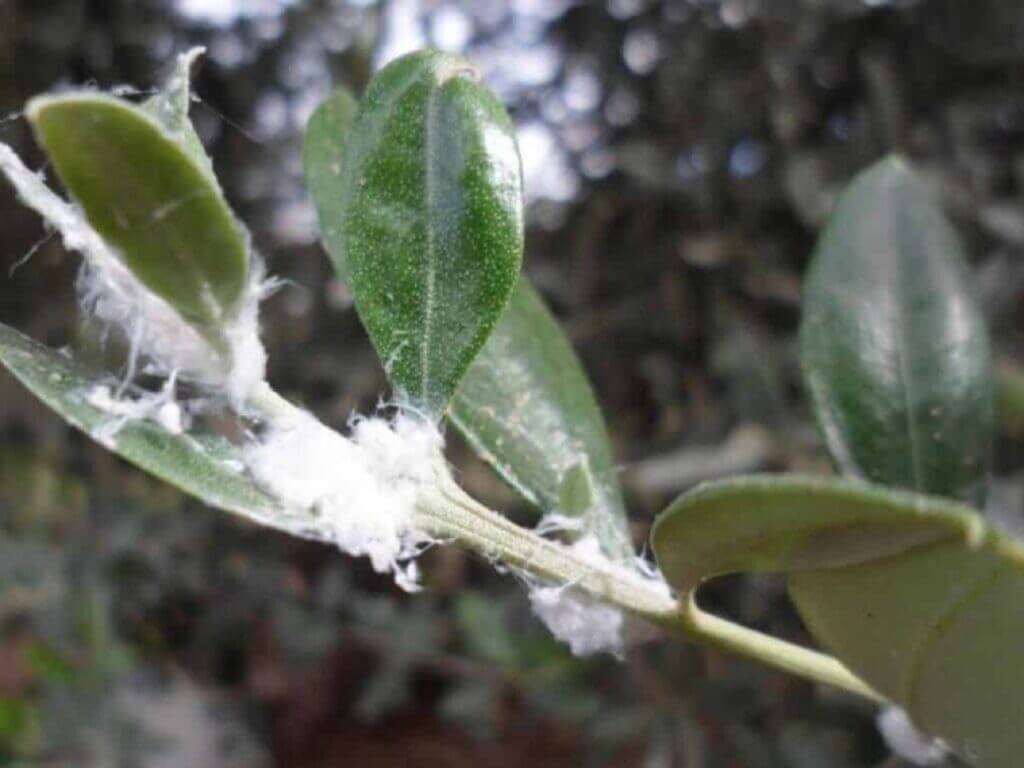
Mealybug infestation causes a series of problems in plants, compromising their vigor and general health. Mealybugs suck the sap from plants, weakening them and affecting their growth. This damage can manifest itself in various ways, depending on the intensity of the infestation and the species of mealybug involved. Common symptoms of infestation include:
- Yellowing and premature leaf fall.
- Presence of yellow or chlorotic Taches on the leaves.
- Deformation of shoots and fruits.
- Appearance of a sticky substance called honeydew on leaves and stems.
- Development of sooty mold (black mold) on honeydew.
- Reduction in the general growth of the plant.
- Regressive death of severely affected branches and shoots.


DEVELOPMENT CONDITIONS
Temperature:
20°C - 30°C
Humidity:
60% - 80%

HOW IS IT SPREAD?
Wind, flying insects, direct contact between plants, contaminated garden tools, sharing of infected plants

HOW TO ELIMINATE IT?
Home treatments
There are no home treatments
Natural allies
Chemical treatments
There are no treatments for this disease. Treatments are directed at the insect vectors that transmit it. See insect treatments.
RECOMMENDED PRODUCTS TO ELIMINATE THE PEST
Sponsored link
Sponsored link
Sponsored link


Sponsored link
Sponsored link
Effective against all types of fungi

Sponsored link


Sponsored link
Sponsored link

Sponsored link


Sponsored link
Sponsored link
Sponsored link


Sponsored link

REPELLENT PLANTS

RECOMMENDATIONS
OTHER PESTS THAT MAY INTEREST YOU


DID YOU LIKE IT?
Now you can always have it on your mobile, without ads and totally FREE. TRY idMicrobe NOW!


