

Lechuga
How to recognize and combat leaf miner in lettuce
Minelayer
Insect
Type:
Risk to the plant:
HIGH
Liriomyza Spp.
Pathogen:
Minadores


WHO CAUSES IT?
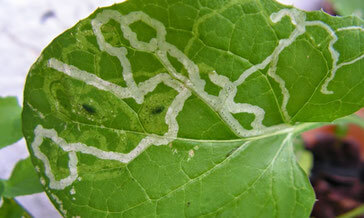
Liriomyza spp., commonly known as the leafminer, is a genus of flies in the family Agromyzidae. These insects have a relatively short life cycle and go through four main stages: egg, larva, pupa and adult. Adult females deposit their eggs inside the leaves of host plants using their ovipositor. Once they hatch, the larvae feed on leaf tissue, creating characteristic mines that are visible on the surface of the leaves. After completing their development, the larvae emerge from the leaves and transform into pupae, from which adults emerge. This life cycle can be repeated several times throughout a growing season, depending on environmental conditions and host availability.
.png)
SYMPTOMS
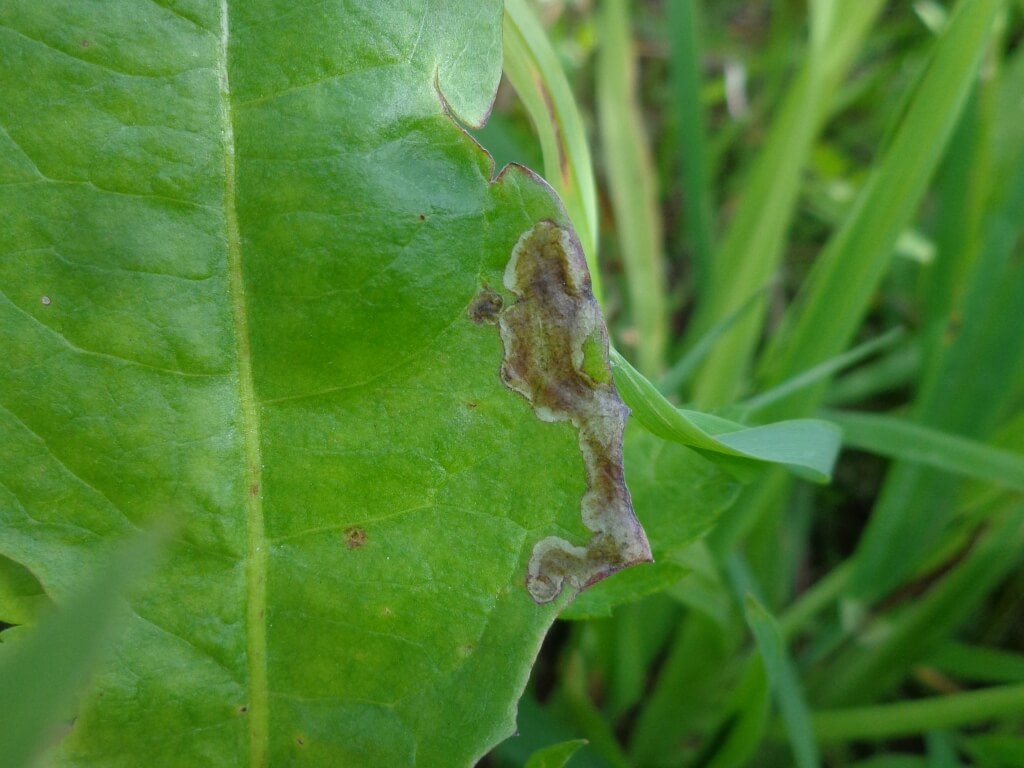
The leaf miner causes significant damage to lettuce plants by feeding on leaf tissue. General symptoms include the presence of serpentine mines or galleries on the leaves, which are produced by the larvae while feeding. This can weaken plants and reduce their ability to photosynthesize, resulting in lower yield and crop quality.
- Meandering mines or galleries in the leaves.
- Discoloration and necrosis around the mines.
- Reduction in plant growth and vigor.
- Loss of quality of the affected leaves.



DEVELOPMENT CONDITIONS
Temperature:
18-25°C
Humidity:
60-80%

HOW IS IT SPREAD?
Wind, passive transport, movement of infested plants, direct contact between plants

HOW TO ELIMINATE IT?
Home treatments
There are no home treatments
Natural allies
Chemical treatments
There are no treatments for this disease. Treatments are directed at the insect vectors that transmit it. See insect treatments.
RECOMMENDED PRODUCTS TO ELIMINATE THE PEST
Sponsored link
Sponsored link


Sponsored link
Sponsored link
Sponsored link


Sponsored link
Sponsored link
Effective against all types of fungi

Sponsored link


Sponsored link
Sponsored link

Sponsored link


Sponsored link

REPELLENT PLANTS

RECOMMENDATIONS
OTHER PESTS THAT MAY INTEREST YOU


DID YOU LIKE IT?
Now you can always have it on your mobile, without ads and totally FREE. TRY idMicrobe NOW!


