

Patata
How to recognize and treat soft rot and blackleg in potatoes
Tuber Soft Rot And Blackleg
Bacterium
Type:
Risk to the plant:
HIGH
Erwinia Carotovora / Pectobacterium Carotovorum
Pathogen:
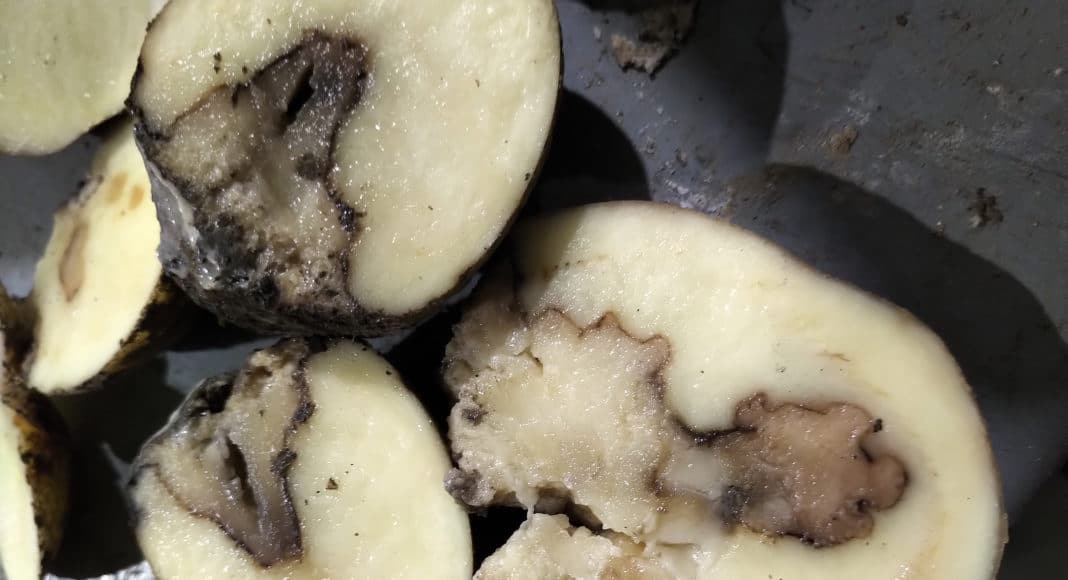
Bacteriosis


WHO CAUSES IT?
Erwinia carotovora is a phytopathogenic bacteria that causes the disease known as tuber soft rot and blackleg in potatoes. This bacteria thrives in humid, warm conditions and can survive in soil, irrigation water, and infected plant residues. The bacteria can enter the potato plant through wounds in the tubers or roots, or through natural entry points. Once inside the plant, it produces enzymes that break down the tissues, causing the tubers to rot.
.png)
SYMPTOMS
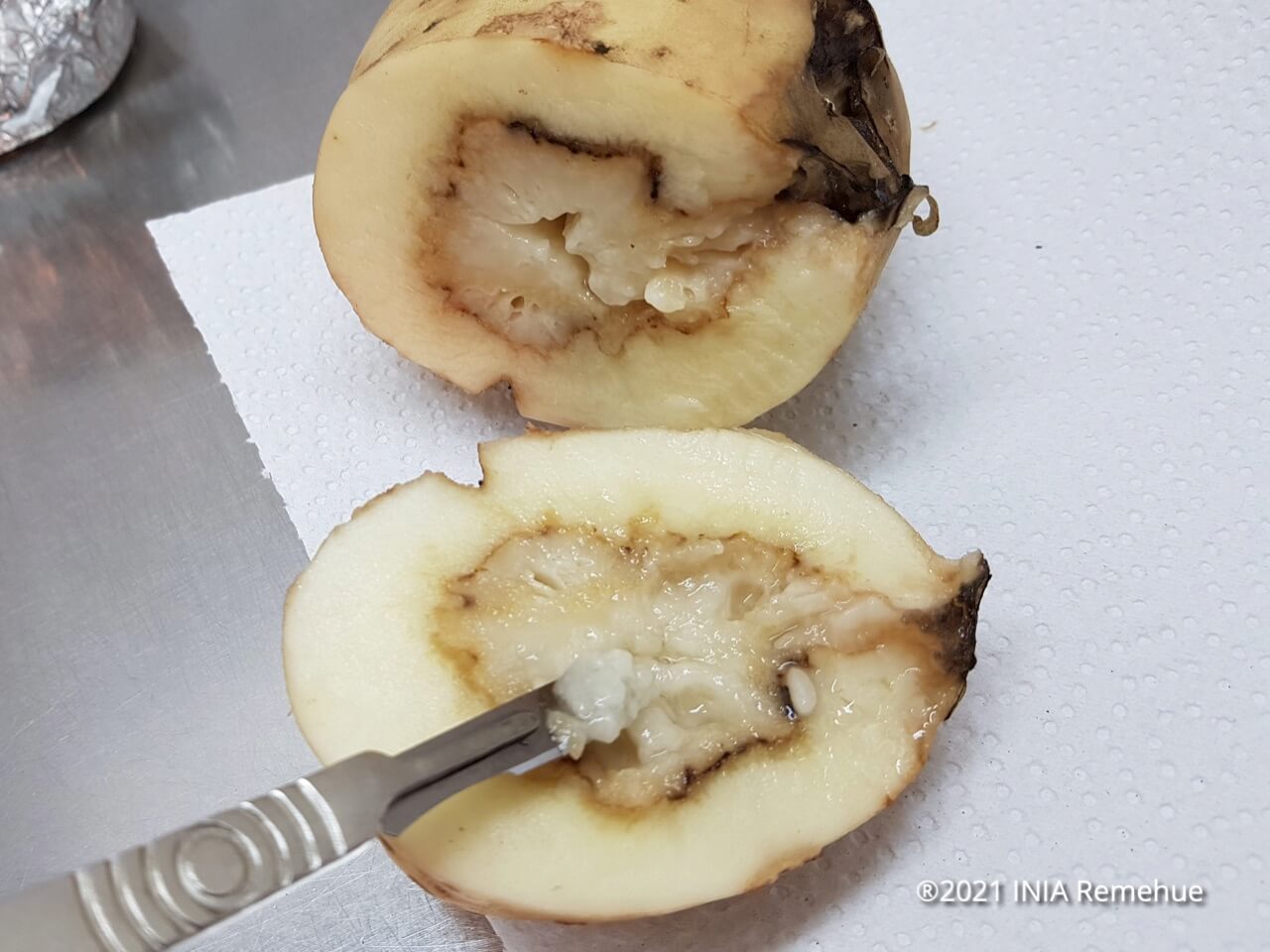
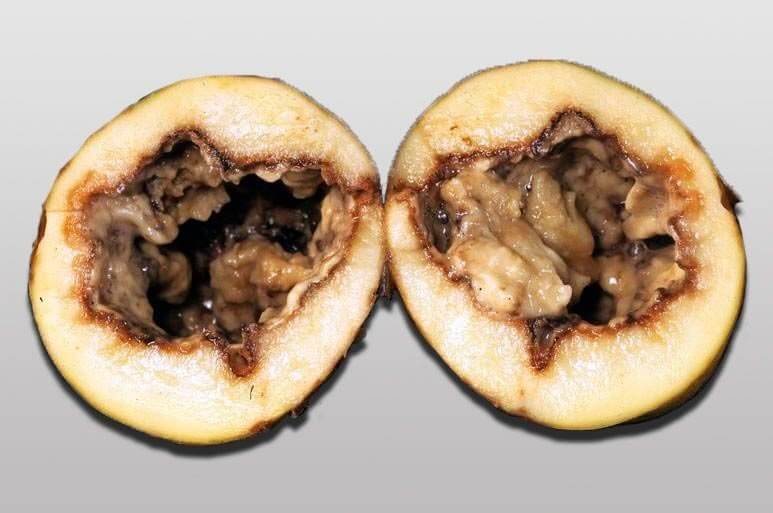
The disease caused by Erwinia carotovora in potatoes can produce symptoms in different parts of the plant. In tubers, infection can cause soft rot and an unpleasant odor. In the aerial parts of the plant, it can cause the appearance of blackleg, which is characterized by the darkening of the base of the stem and the wilting of the leaves.
• Soft rot of tubers with unpleasant odor.
• Darkening of the base of the stem (black foot).
• Withering of leaves.
• Widespread damage to plants and tubers, reduction in crop quality.


DEVELOPMENT CONDITIONS
Temperature:
15°C - 30°C
Humidity:
70% - 90%

HOW IS IT SPREAD?
Contaminated soil, contaminated irrigation water, direct contact with infected plants or tubers, contaminated growing tools.

HOW TO ELIMINATE IT?
Home treatments
There are no home treatments
Natural allies
Chemical treatments
There are no treatments for this disease. Treatments are directed at the insect vectors that transmit it. See insect treatments.
RECOMMENDED PRODUCTS TO ELIMINATE THE PEST
Sponsored link
Sponsored link


Sponsored link
Sponsored link
Sponsored link


Sponsored link
Sponsored link
Effective against all types of fungi

Sponsored link


Sponsored link
Sponsored link

Sponsored link


Sponsored link

REPELLENT PLANTS

RECOMMENDATIONS
OTHER PESTS THAT MAY INTEREST YOU


DID YOU LIKE IT?
Now you can always have it on your mobile, without ads and totally FREE. TRY idMicrobe NOW!


