

Apio
How to recognize and combat aphids on celery
Aphid
Insect
Type:
Risk to the plant:
HIGH
Aphis Gosypii , Myzus Persicae
Pathogen:
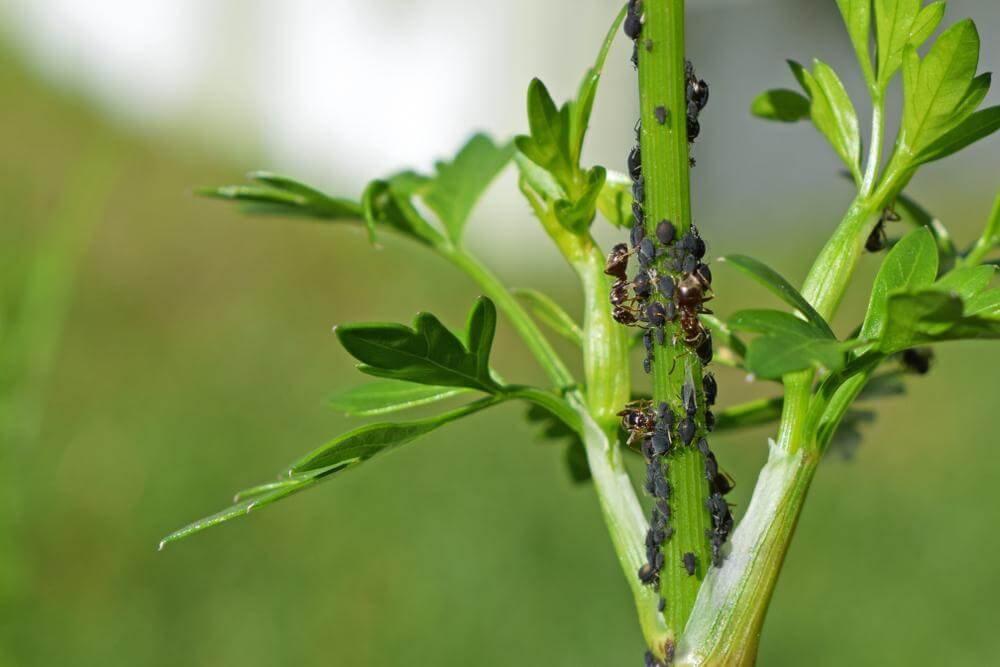
Pulgones


WHO CAUSES IT?
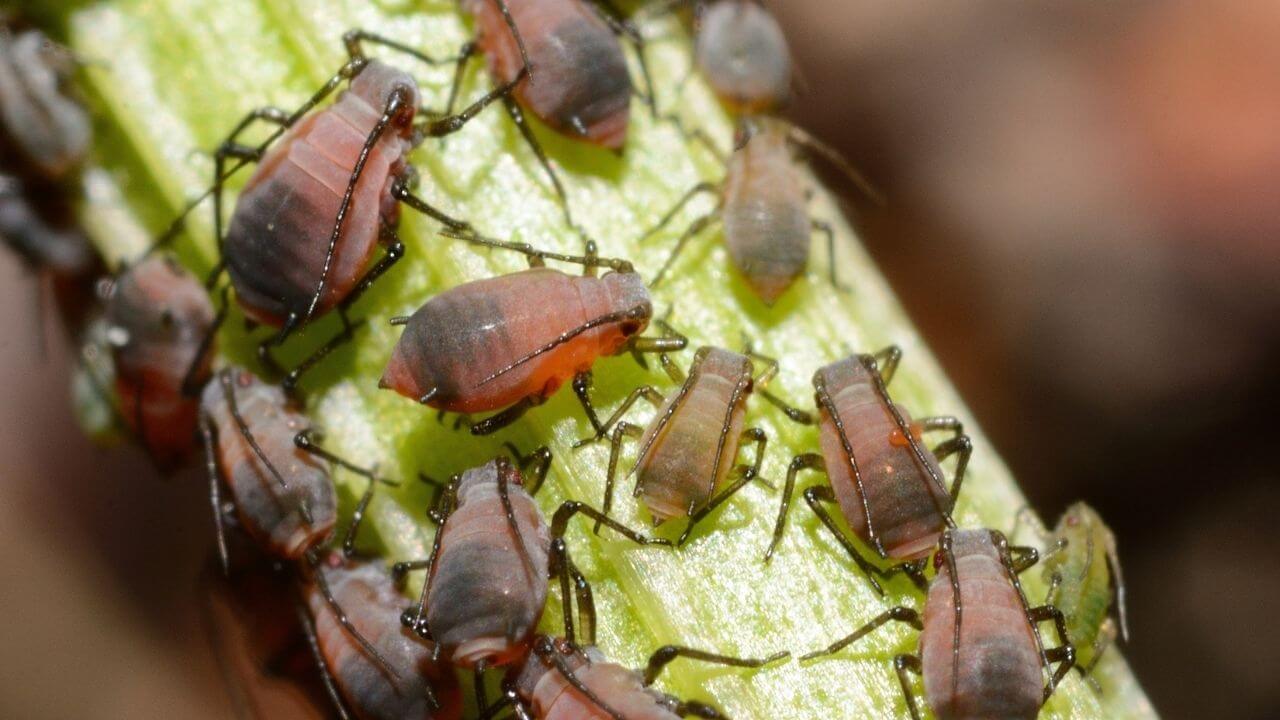
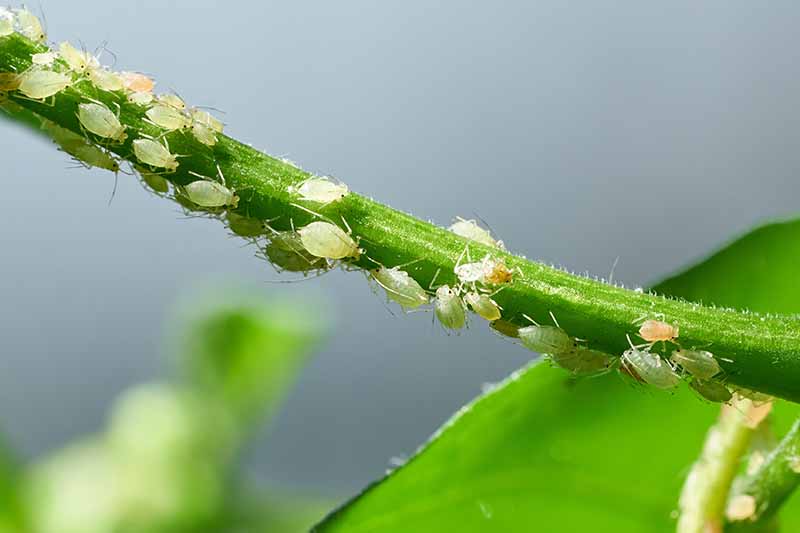
Aphis gossypii and Myzus persicae are two species of aphids that affect celery. Both aphids have a similar morphology: small, soft, oval-shaped bodies that can vary in color from light green to yellow, black or even pink. Aphis gossypii, known as the cotton aphid, is polyphagous and attacks various plants, while Myzus persicae, the peach aphid, is equally versatile. Parthenogenetic females produce live offspring without the need for males, allowing rapid proliferation. Under favorable conditions, a single female can produce dozens of offspring in a few days. Aphids go through several nymphal stages before becoming winged or wingless (wingless) adults. The winged adults can disperse to new plants, facilitating infestation in large crop areas.
.png)
SYMPTOMS
In celery, infestation by Aphis gossypii and Myzus persicae can cause significant damage that affects the quality and yield of the crop. These aphids feed by sucking sap from leaves and tender stems, weakening the plant and reducing its growth. In addition, they are vectors of various phytopathogenic viruses.
- Rolled and deformed leaves.
- Yellow and chlorotic Taches on the leaves.
- Secretion of molasses, which favors the growth of sooty fungus.
- Decrease in plant vigor and growth.
- Transmission of viruses that can cause mosaics and deformations.
- Presence of visible colonies of aphids on the leaves and stems.


DEVELOPMENT CONDITIONS
Temperature:
15-25°C
Humidity:
60-80%

HOW IS IT SPREAD?
Direct contact, Wind, Cultivation tools, Infested plants, Plant transport, Soil movement

HOW TO ELIMINATE IT?
Home treatments
There are no home treatments
Natural allies
Chemical treatments
There are no treatments for this disease. Treatments are directed at the insect vectors that transmit it. See insect treatments.
RECOMMENDED PRODUCTS TO ELIMINATE THE PEST
Sponsored link
Sponsored link


Sponsored link
Sponsored link
Sponsored link


Sponsored link
Sponsored link
Effective against all types of fungi

Sponsored link


Sponsored link
Sponsored link

Sponsored link


Sponsored link

REPELLENT PLANTS

RECOMMENDATIONS
OTHER PESTS THAT MAY INTEREST YOU


DID YOU LIKE IT?
Now you can always have it on your mobile, without ads and totally FREE. TRY idMicrobe NOW!


